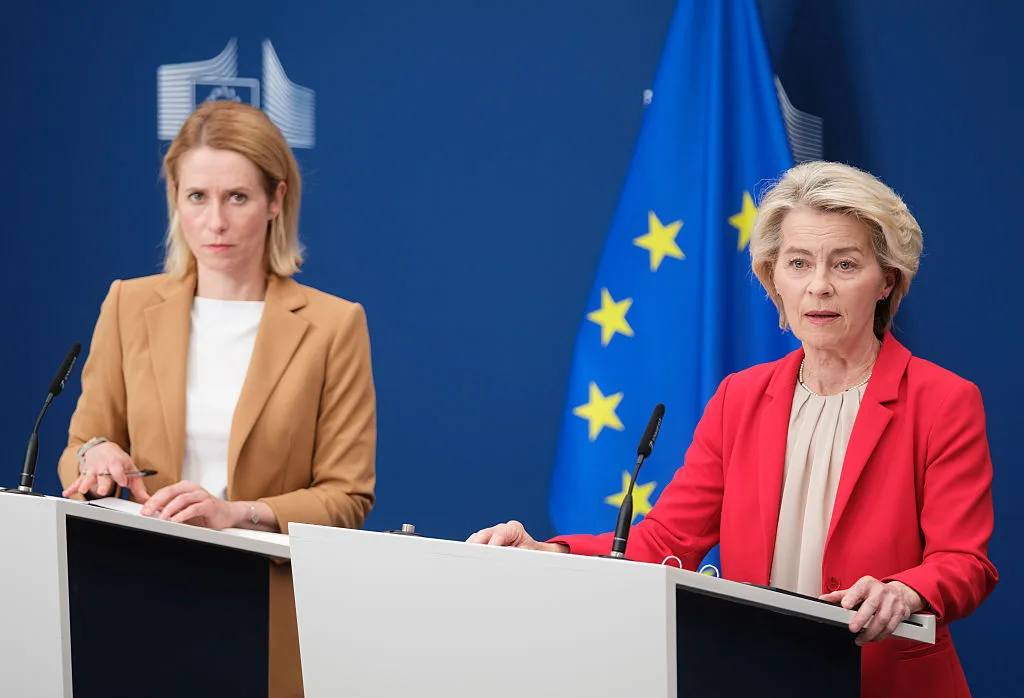





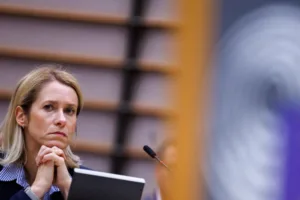


EU foreign policy chief Kaja Kallas has turned to the bloc’s treaties to argue she should take part in negotiations to end the Ukraine War, despite leaders keeping her off Europe’s team.
Speaking in Brussels on November 16 after chairing a meeting of EU foreign ministers, Kallas said the EU routinely urged its partners to respect the rule of law. “The rule of law actually in Europe is the treaties,” she told reporters.
The Lisbon Treaty tasks the High Representative with conducting the bloc’s common foreign and security policy. Kallas said she was ready to do the job.
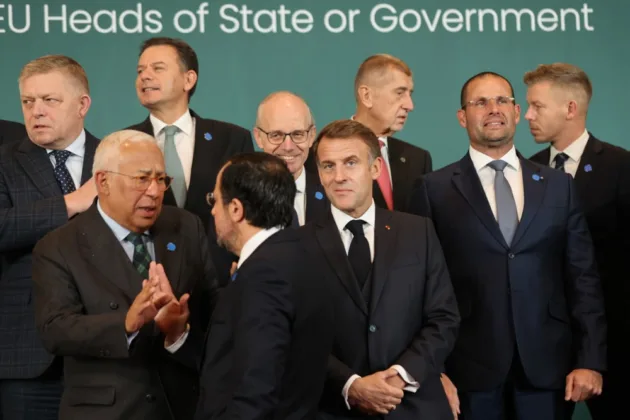
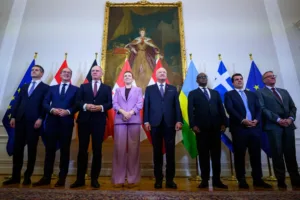
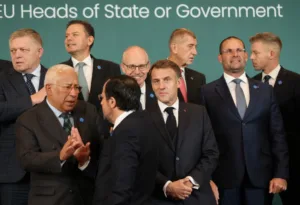
Three days earlier, at an informal summit in Dublin, EU heads of state and government decided otherwise. Europe would be represented by the EU institutions alongside France, Germany, Italy, Poland and the UK, the so-called E5 of the Coalition of the Willing.
The EU’s share of the seat is to go to senior aides of European Council President António Costa and European Commission President Ursula von der Leyen, Euronews reported. The European External Action Service (EEAS), which Kallas runs, was left out.
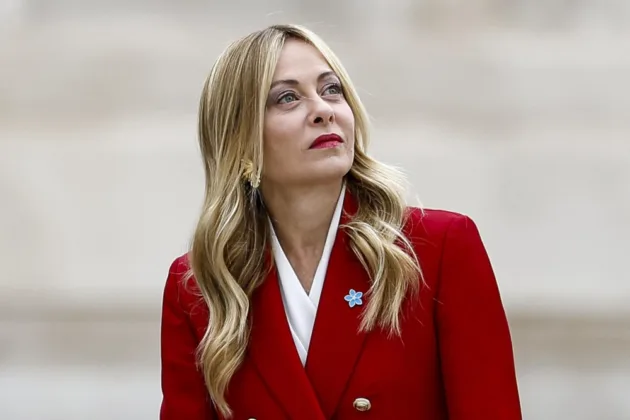
Before the summit, Costa had told Italian Prime Minister Giorgia Meloni the EU institutions should speak for the bloc in line with their responsibilities under the treaties, according to a letter reported by European Pravda.
In Dublin, though, Meloni argued Kallas lacked the institutional weight to act as envoy, Euronews reported, citing people familiar with the discussions.
Kallas, a former Estonian prime minister, had openly campaigned for the role while acknowledging Moscow would not welcome her because of her hard line on Russia.
Diplomats quoted by Euronews have accused her of straying from agreed positions on China and Israel and of launching initiatives without consulting capitals. One noted she had spent much of the year opposing direct talks with Russia before seeking a place at the table.
In May she also ruled out the EU acting as a neutral mediator between Moscow and Kyiv.
The new format has also irritated governments left outside the room. Spain, the EU’s fourth-largest economy, is not among the five, and Kallas said many member states wanted to take part directly rather than be informed after the event.
Foreign ministers are now drafting Europe’s demands on Moscow. According to Kallas, these include respect for Ukraine’s sovereignty and borders, accountability for war crimes, compensation for war damage and the return of deported Ukrainian children.
She insisted any discussion with Russia on Europe’s wider security architecture had to wait until a ceasefire was in place.
Whether Moscow would accept European negotiators remains unclear. The Kremlin said on November 13 it would be open to their participation if it saw a genuine intention to contribute to peace.