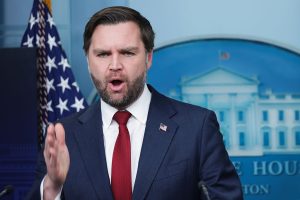







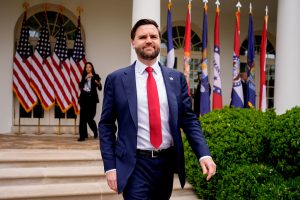


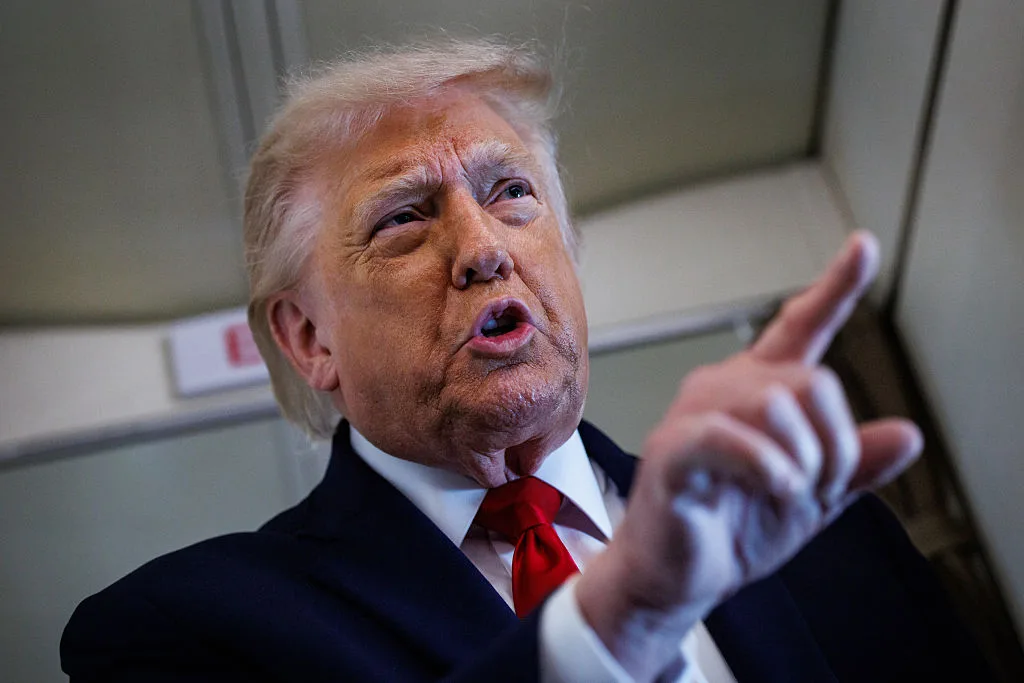

White House allies have credited US Vice President JD Vance with helping President Donald Trump secure Jensen Huang’s return as chief executive of Nvidia. The world’s dominant maker of artificial intelligence (AI) chips reinstated Huang on November 23, 11 days after he resigned over an extramarital affair with a woman US officials suspect of spying for China.
Two people, one familiar with the process and one close to the White House, told Politico that Vance and Trump lobbied the board over the weekend. Both men had concluded there was no evidence Huang had acted illegally or compromised national security, they said.
According to the sources, the pair wanted Huang back because he is a leading champion of open-source AI models, which are cheaper and easier to adapt than closed systems. The administration wants US companies to benefit from such models without relying on Chinese alternatives.
Vance’s long-standing relationships in Silicon Valley reportedly put him in a strong position to sway the board. A source quoted by The Hill said he held private talks with Huang and worked to reassure directors.
The emphasis on Vance’s role comes as he weighs a 2028 presidential bid following a poor midterm election for the Republican Party. Vance has not spoken publicly about his involvement, though he shared on X a clip of Trump discussing it.
Trump himself claimed credit in a telephone interview with CNBC on November 23. “I convinced them,” he said, adding that he had worked with Vance on the matter.
The reversal was abrupt. On November 17, board chairman Harvey Jones said the company did not intend to reinstate Huang, while chief financial officer Colette Kress ran Nvidia as interim chief executive.
In its statement announcing the U-turn, the board said input from senior US officials left it confident that Huang’s return “poses no national security risk”.
Several Republican lawmakers were unconvinced. Senator John Curtis of Utah asked on X which officials had advised the board and on what basis, while Senator Pete Ricketts of Nebraska said Huang should still testify before Congress.
The saga also matters for Europe, where Nvidia has pitched itself as a partner in the European Union’s drive for “sovereign AI”. Huang told a company conference in Berlin on October 21 that Nvidia had invested $10 billion (€8.9 billion) in European startups and partners over the previous year.
Access to US chips has long been a sore point for Brussels. In January 2025 the European Commission protested against Biden-era export rules that capped AI chip shipments to most member states.
The Trump administration later rescinded those limits, though it has made clear it still expects a say over where US chips ultimately end up.