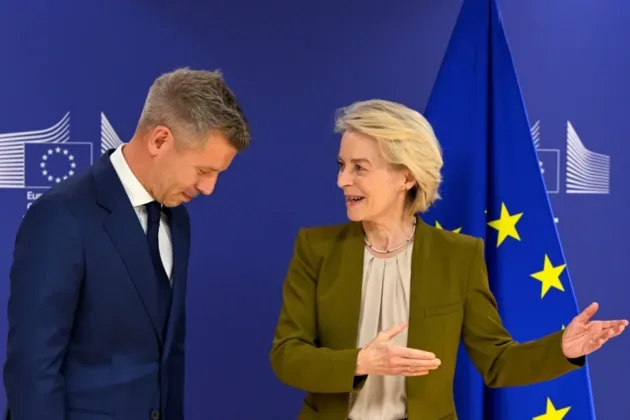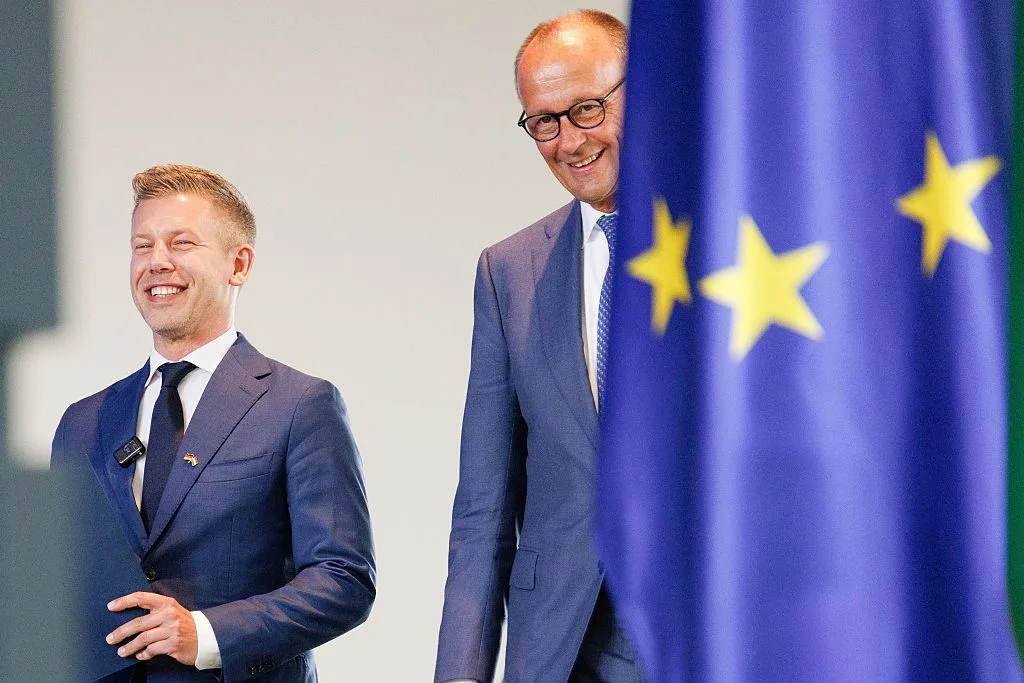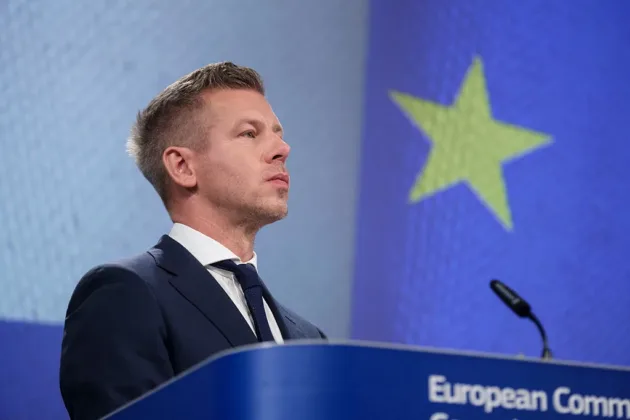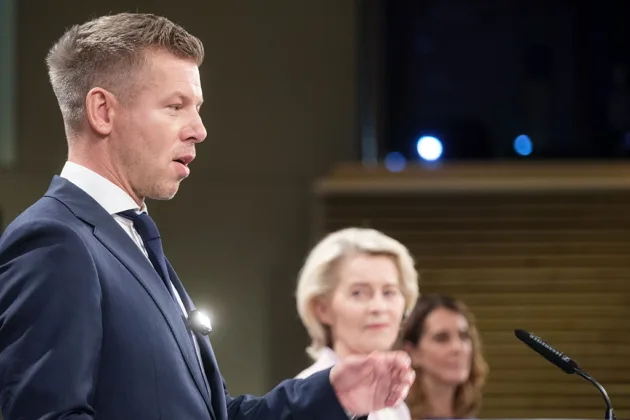
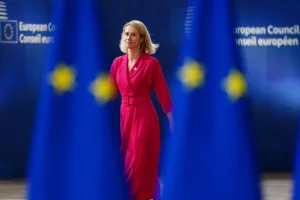


Hungarian Prime Minister Péter Magyar has returned to Brussels to press European Commission President Ursula von der Leyen for the release of some €17 billion in EU funds frozen under his predecessor.
He arrives as the candidate the EU establishment promoted in Budapest. Magyar’s Tisza party sits inside the European People’s Party (EPP), von der Leyen’s own political family, which had welcomed the newcomers partly to gain a foothold in Hungary and the means to unseat Viktor Orbán.
That goal was met in April, when Tisza ended Orbán’s 16 years in power. Von der Leyen greeted the result by declaring that “Hungary has chosen Europe”.
Magyar’s victory also removes the EU’s most persistent source of vetoes. For years Orbán blocked or delayed the bloc’s decisions on Ukraine, sanctions and immigration, and his departure clears Budapest from the path of much that Brussels wants to pass.
The new Prime Minister has not promised to fall into line on everything, though. Tisza opposes the EU migration pact and has been cautious on fast-tracking Ukraine’s accession, an issue on which Magyar has said he would keep Hungary’s veto, at least for now.
Still, the price of the reset is set in Brussels. Releasing the €17 billion rests entirely with the Commission, which has handed Budapest 27 conditions to meet first, chiefly on corruption, judicial independence and the transparent use of EU money.
In 2022 the Commission suspended €7.6 billion in cohesion funds — a third of Hungary’s allocation — over what it called rule-of-law failings in public procurement. A further €10.4 billion from the post-Covid recovery fund, NextGenerationEU, remains blocked on similar grounds.
The deadline, too, is Brussels’. Under the recovery fund’s rules, Hungary stands to lose the money unless it meets every milestone by August 31, 2026, after which the Commission has until December to assess any payment request.
Magyar, who made unblocking the funds his government’s central pledge, is due to meet von der Leyen on May 29. Commission sources confirmed the meeting but would not say whether it would focus on freeing the cash.
His two-day visit began on May 28 with talks with Belgian Prime Minister Bart de Wever and NATO Secretary General Mark Rutte. Magyar set out the agenda on social media, saying everyone was working to recover the billions owed to his country.
Orbán, who branded his rival a “Brussels puppet” throughout the campaign, conceded defeat in April but has kept the Fidesz leadership.