
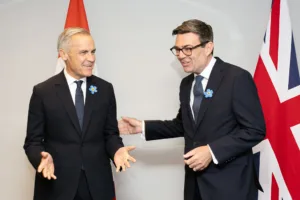

Hungary has moved to the brink of recovering €10 billion in frozen post-pandemic money, with European Union finance ministers expected to approve its revised national recovery plan on July 10.
The Economic and Financial Affairs Council (ECOFIN), meeting in Brussels, would take the last legal step before Budapest can draw down the funds. Approval requires the unanimous backing of all 27 member states.
Much of the recovery and cohesion money earmarked for Hungary has been withheld by Brussels for years over what the European Commission described as systemic corruption risks, alongside concerns about judicial independence and academic freedom.
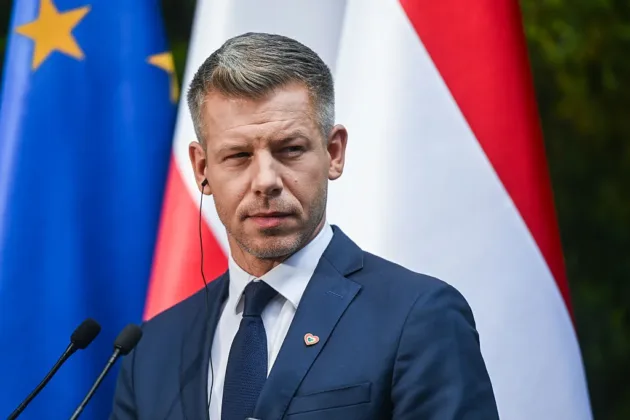
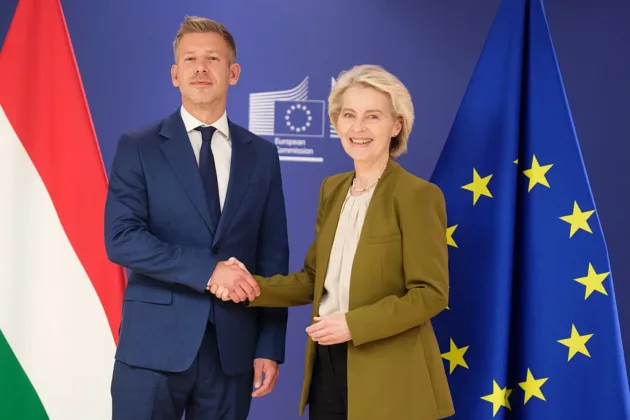
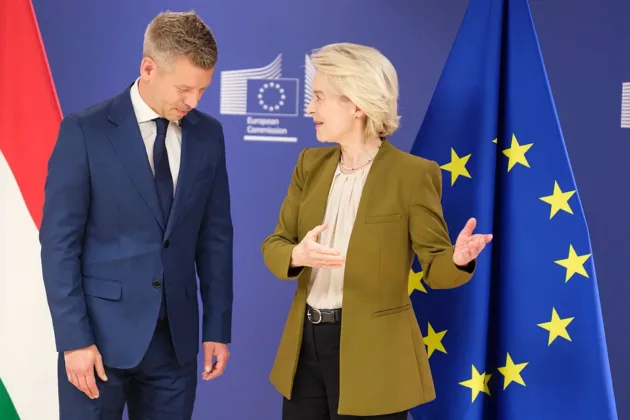
Prime Minister Péter Magyar, whose pro-EU conservative Tisza party ousted Viktor Orbán in April’s parliamentary elections, campaigned on a pledge to release the money. In May he struck a political agreement with European Commission President Ursula von der Leyen covering €16.4 billion in total.
That figure comprises €10 billion from the Recovery and Resilience Facility (RRF), €4.2 billion in cohesion funds tied to anti-corruption and judicial reform and a further €2.2 billion linked to academic freedom.
“We can already feel a strong wind of change across Hungary,” von der Leyen said after meeting Magyar in Brussels on May 29.
The Hungarian Government then rewrote the plan submitted by the Orbán administration. The updated document covers suburban railway and rolling stock purchases, electricity grid development, support for small and medium-sized enterprises and a rental housing programme. The Commission gave it a positive recommendation ahead of the Council vote.
The timetable remains tight. Hungary must meet 27 so-called “super milestones” by August 31, submit payment requests by the end of September and see disbursements completed by the end of December. Failure could oblige Budapest to repay roughly €1 billion in advances it has already received.
Hungary has so far absorbed about 9 per cent of its RRF allocation, the lowest rate in the bloc, according to Commission figures published in June. France has used 86 per cent.
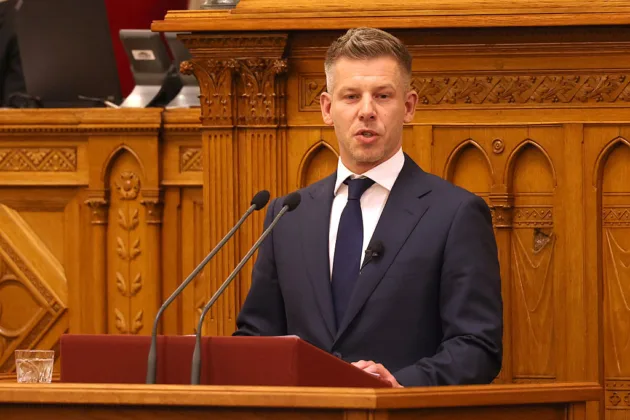
Finance Minister András Kármán said before travelling to Brussels that the government would take the final legal steps needed to bring the money home. Dávid Vitézy, the minister for transport and investment, told parliament that talks with the Commission had concluded and that all signs pointed to a positive decision.
Kármán has also said Hungary would submit a revised medium-term fiscal framework later this year setting out a path towards eventual euro adoption, though he added there was no need to rush entry into the Exchange Rate Mechanism II.