
The European Union has welcomed the framework agreement reached between the United States and Iran and called for the immediate, toll-free reopening of the Strait of Hormuz.
European Commission President Ursula von der Leyen, European Council President António Costa and the bloc’s foreign policy chief, Kaja Kallas, each backed the deal on June 15. It came a day after United States President Donald Trump announced the accord, intended to end a war that began in February.
Von der Leyen said the priority was the pact’s swift and full implementation by all sides. “Freedom of navigation must be restored toll-free,” she said, describing the waterway as essential for regional stability and the global economy.
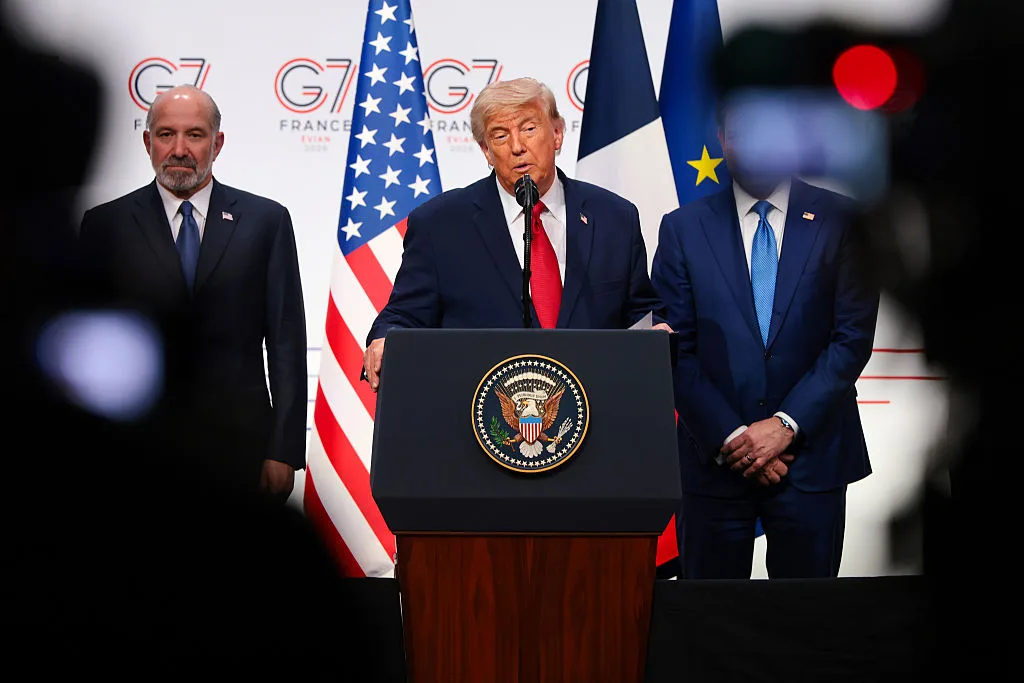
She argued the crisis had once again shown energy dependency being turned into a weapon. The bloc would need to diversify its supply routes and build alternative export corridors to bypass the Hormuz bottleneck, she said, adding that G7 leaders would discuss the matter at their summit in Evian, France this week.
Von der Leyen also said there could be no peace in the Middle East while Lebanon remained engulfed in conflict. She urged all parties, without naming Israel, to respect Lebanese sovereignty and implement a genuine ceasefire.
Costa said he looked forward to an end to what he called a costly war. “Weapons must now fall silent and outstanding differences must be resolved by peaceful means,” the European Council President said, offering EU help towards a durable settlement.
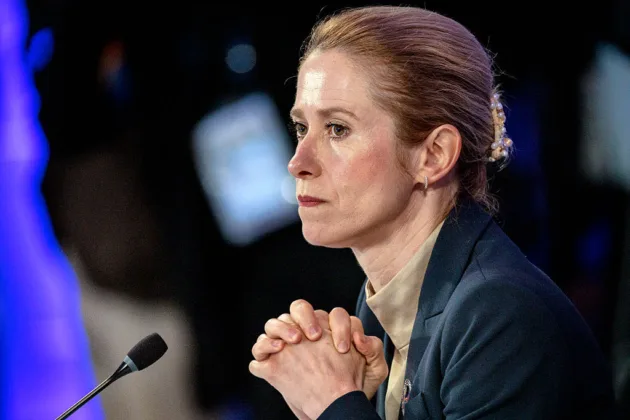
Kallas described the deal as a potential breakthrough. She said EU foreign ministers meeting in Luxembourg on June 15 would weigh how the bloc could be involved in the next phase, adding that the EU “stands ready to contribute to a sustainable resolution”.
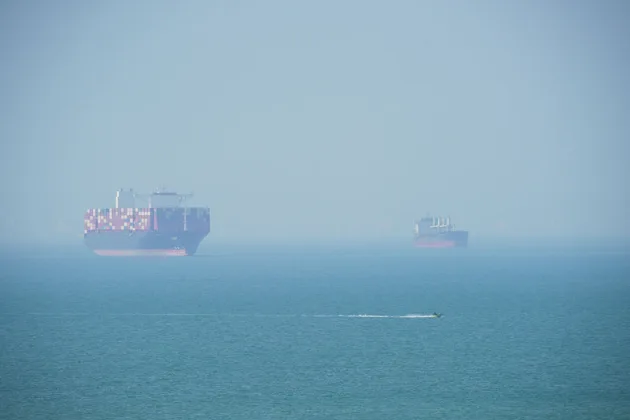
The conflict began on February 28, when the United States and Israel launched strikes on Iran that killed its supreme leader, Ali Khamenei. Iran responded by closing the Strait of Hormuz, through which about 20 per cent of the world’s oil passes, disrupting global trade.
The agreement remained a framework, with reports suggesting it would be signed later in the week. Trump said the US would lift its naval blockade of Iranian ports and that toll-free shipping would resume once the document was signed.
Kallas said she hoped Lebanon would be covered by the ceasefire and that the country still needed support. She said the EU was weighing whether to deploy its own mission as the United Nations Interim Force in Lebanon (UNIFIL) prepares to wind down.