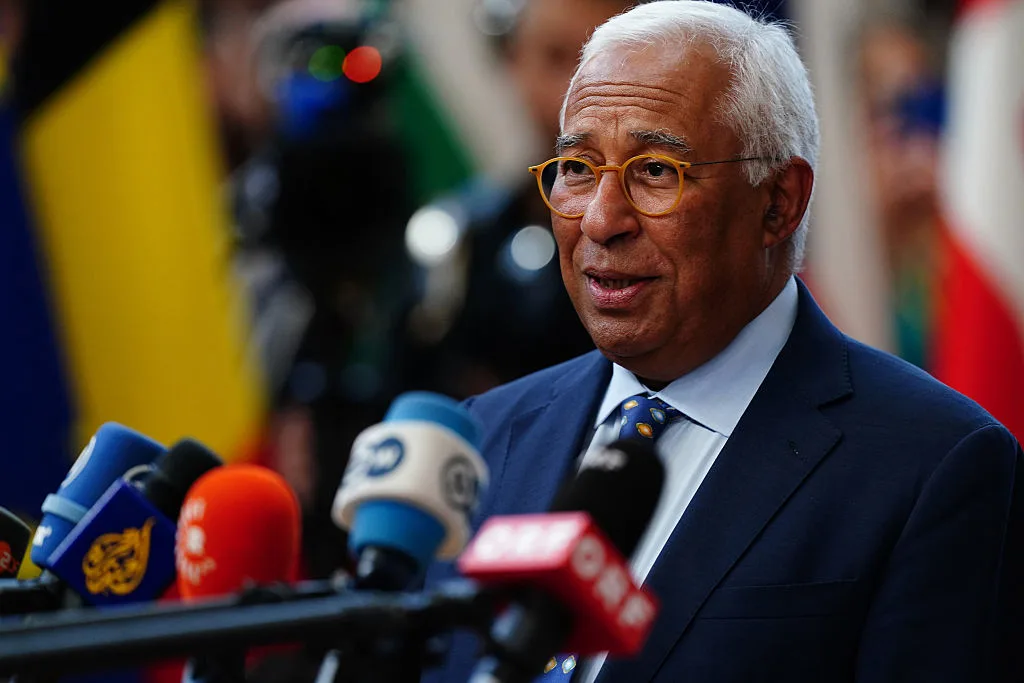







The office of European Council President António Costa has established brief diplomatic contacts with the Kremlin in recent weeks, opening communication channels with Moscow as Brussels seeks to ensure it has a voice in any future discussions concerning the war in Ukraine.
The contacts were reported by Reuters on June 17, which cited a senior EU official as saying the exchanges were intended to establish diplomatic channels rather than launch negotiations.
According to Reuters, the official said that “nothing was discussed on substance” and that maintaining lines of communication was important because the European Union would need to defend its own interests in any future diplomatic scenario involving Russia.
Reuters also reported that the official stressed the EU was not seeking a mediating role in the conflict. “The EU is not a mediator. It supports Ukraine in its efforts to achieve a just and lasting peace,” the official said.
The development comes as European leaders increasingly debate how the bloc should position itself should diplomatic efforts to end the war eventually gain momentum. While the United States has played the leading role in contacts with Moscow, European officials are concerned that decisions affecting the continent’s long-term security cannot be taken without direct EU involvement.
According to sources quoted by Politico, officials in Brussels believe the bloc should be prepared to engage directly with Russia when necessary rather than relying exclusively on intermediaries.
The question of how Europe should organise its representation remains unresolved since differences persist within the Union. Some member states favour preparing diplomatic options alongside continued military and financial support for Kiev, while others remain wary of opening political channels that could be perceived as easing pressure on Moscow.
The Kyiv Independent, citing European officials in a June 17 report, described the initiative as a practical diplomatic measure rather than the start of peace negotiations. EU officials continue to maintain that any future settlement must involve Ukraine directly and respect the country’s sovereignty.
For now, the contacts remain limited and exploratory. No negotiations have been reported, and no discussions on peace terms have taken place. Nevertheless, the move signals that Brussels is beginning to prepare for a scenario in which diplomatic engagement may eventually accompany the military and economic pressure that has defined the European response to Russia’s invasion.