









Germany’s Social Democrats (SPD) have proposed increasing the statutory minimum annual leave entitlement from 20 to 21 days, even as the country grapples with weak growth, industrial job losses, and pressure on public finances.
The suggestion forms part of ongoing coalition talks with the CDU/CSU on a broader reform package and may cause friction within the government.
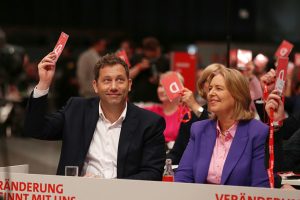
SPD co-leaders Bärbel Bas and Lars Klingbeil — respectively Federal Minister of Labour and Social Affairs and Finance Minister — are backing the extra day, which would benefit an estimated four million workers who currently rely on the legal minimum.
No reaction has come from Christian Democratic (CDU) politicians yet.
Many industries already offer 25–30 days through tariffs, but the change would lift the legal floor from 20 to 21.
Around four million German employees have the statutory entitlement.
The proposal comes at a sensitive moment.
Germany is losing thousands of industrial jobs each month, energy costs remain elevated, and economists warn that unit labour costs are among the highest in the developed world.
At the same time, Germany has to make costly investments in infrastructure and its national defence.
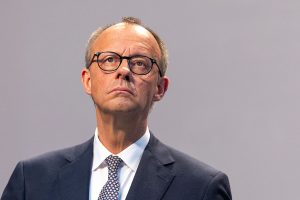
Chancellor Friedrich Merz has been sounding the alarm on the dire situation of the country and is suggesting to raise the pension age to 68.
Merz has appealed for understanding, telling critics that his proposed reforms are not being pursued “for fun” but because they are necessary “so that much can remain as it is”.
He has complained that Germans work too little and cost too much.
Business groups have reacted coolly, arguing that an additional paid holiday day would impose further burdens on companies already struggling with competitiveness.
The SPD’s move echoes earlier demands from the trade union ver.di, which secured an extra day for public sector workers from 2027.
Critics see the latest push as an attempt by the SPD to appeal to its traditional base amid poor polling numbers, even as the government discusses pension reforms and longer working lives elsewhere.
Vacation days vary significantly between occupation groups.
For the skilled trades, it is 25 days, for employees in the chemical industry, trade and the metal industry it is usually 30 days.
Civil servants and employees in the public sector have the most vacation, hitting 31 days next year.
While employment in once key industrial sectors is in decline Germany is seeing a significant increase in people working for the state. https://t.co/6QM8KiW9kl
— Brussels Signal (@brusselssignal) May 5, 2026