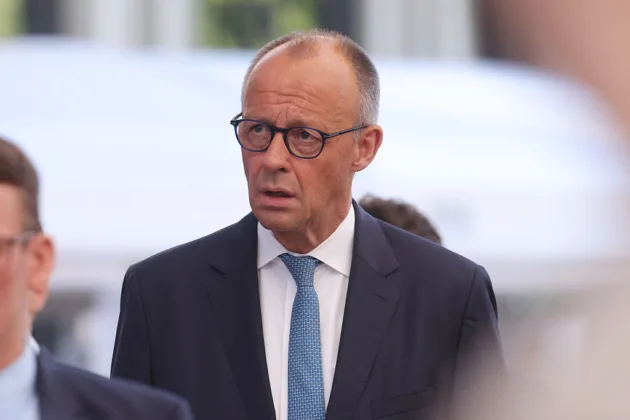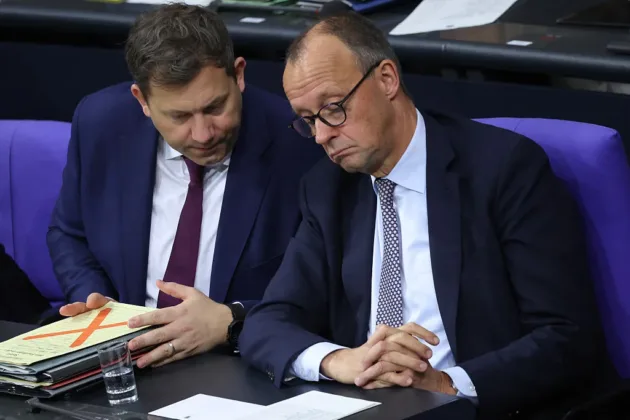






Chancellor Friedrich Merz’s government is under intense pressure as a high-level pension commission prepares to present its recommendations this week, with economists and trade unions already dismissing the draft proposals as insufficient and out of touch with reality.
The Rentenkommission is expected to suggest gradually raising the retirement age to 68, lowering the pension replacement rate from 2031, and scrapping the popular penalty-free early retirement option after 45 contribution years (the so-called Rente mit 63).
Other ideas reportedly include bringing more groups such as MPs, self-employed workers, and company executives into the statutory pension system and introducing a capital-funded component alongside the existing pay-as-you-go model.
Leading economists have been highly critical.
Gabriel Felbermayr described the plans as “not ambitious enough,” while Marcel Fratzscher called them “too cautious” and lacking the courage to address core problems such as old-age poverty and the heavy burden on younger generations.
Trade union leader Frank Werneke of Verdi accused the proposals of ignoring the daily reality of working people and amounting to a “disregard for life’s achievements”.
“In many professions, the physical and psychological stress is so high that even a retirement age of 67 is unattainable for many people,” he noted.
Merz has appealed for understanding, telling critics that the reforms are not being pursued “for fun” but because they are necessary “so that much can remain as it is”.
He highlighted the urgent need to protect industrial jobs, noting that Germany is currently losing 10,000 to 15,000 industrial positions every month.
The pension debate is unfolding against the backdrop of a severe industrial downturn.
Peter Leibinger, president of the Federation of German Industries (BDI), has warned that the situation facing German industry is “more dangerous than ever before”.
High energy costs, elevated wage-related expenses, unit labour costs and taxes place Germany among the most expensive locations globally; without corresponding productivity advantages.
Leibinger reported that 100,000 industrial jobs were lost in the past year alone and described the decline as structural rather than purely cyclical.
He called for a comprehensive reform package from the government and urged closer cooperation between industry and unions as “communities of fate.”
Germany’s statutory pension system faces mounting pressure from demographic change, with fewer workers supporting more retirees.
Critics argue that without bolder measures — including wider contribution bases and genuine incentives for longer working lives — the pension system risks becoming unsustainable.
The proposals come as the government seeks to stabilise public finances, tax relief, reduction in bureaucracy and rebuild the national defences after years of cuts in the army.
COMMENT: Part I: How Germany is destroying itself and the EU, writes Gunnar Beckhttps://t.co/kocmteVWqP
— Brussels Signal (@brusselssignal) June 13, 2026