






Hungary’s parliament has approved a sweeping package of rule-of-law and transparency reforms that would release around €16.4 billion in frozen European Union cohesion and recovery funds, money withheld during the rule of former prime minister Viktor Orbán.
The National Assembly passed the measures on Tuesday by 142 votes to 39, with three abstentions, as part of a two-day extraordinary session in which more than 30 legal amendments were adopted.
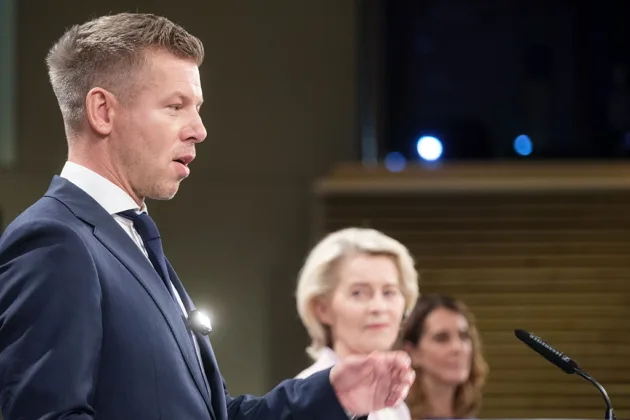
“Today we have taken a big step towards a functional and humane Hungary,” Prime Minister Péter Magyar said. He attacked Orbán’s Fidesz for voting against funds that Budapest would now be able to draw on, worth roughly 13 per cent of the national budget.
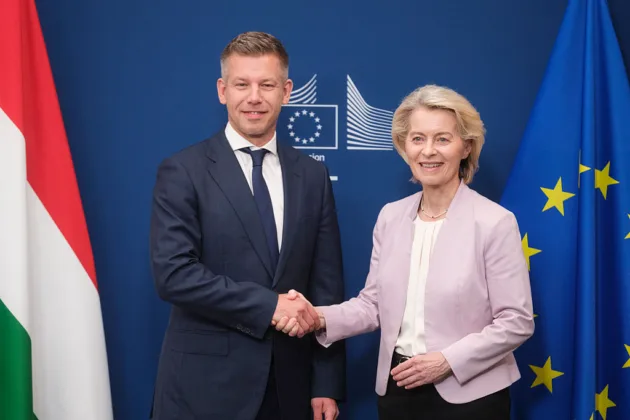
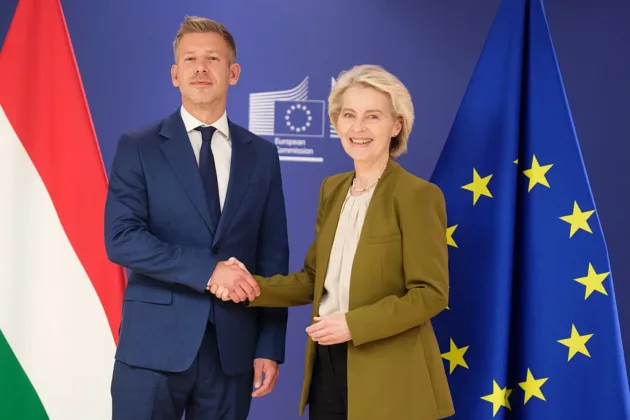
The vote followed a political agreement struck in late May between Magyar and European Commission President Ursula von der Leyen, who said the release was conditional on every reform being adopted and implemented.
Among the new rules is asset-declaration legislation for public officials, carrying deterrent penalties for breaches, alongside a strengthened Integrity Authority charged with verifying the declarations.
Lawmakers also moved against the university foundations that flourished under Orbán, when figures loyal to Fidesz controlled two-thirds of the country’s higher-education institutions, leaving them shut out of EU programmes over corruption concerns. Their assets would be returned to State ownership and academic autonomy restored, the government said.
In a parallel constitutional change, MPs backed an amendment allowing the removal of President Tamás Sulyok, an Orbán appointee who has refused to resign. Magyar said parliament would vote for a new president on August 20.
Budapest must meet all the conditions agreed with Brussels by the end of August to avoid losing the money. The Commission has said 67 reforms and 50 investments under the recovery plan still need updating to reflect the new terms.
Hours after the vote, Magyar convened the first extraordinary summit of the Visegrád Group — Hungary, Slovakia, Poland and the Czech Republic — in Gödöllő, central Hungary. A government spokesman said the talks centred on regional energy, road and rail links, though Magyar’s stated wider aim is a stronger Central European bloc to counterbalance the Franco-German axis within the EU.