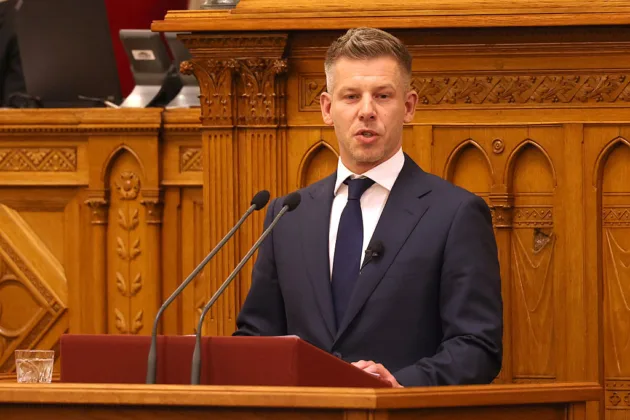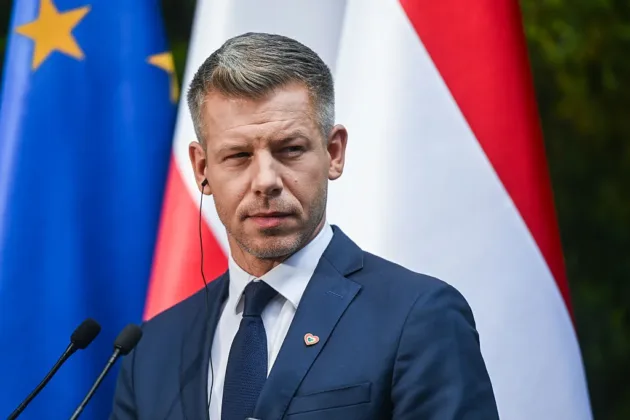


Hungary has secured the release of around €16.4 billion in frozen European Union funds after new Prime Minister Péter Magyar agreed to a package of reforms set by Brussels — an outcome widely anticipated since he ousted Viktor Orbán in April.
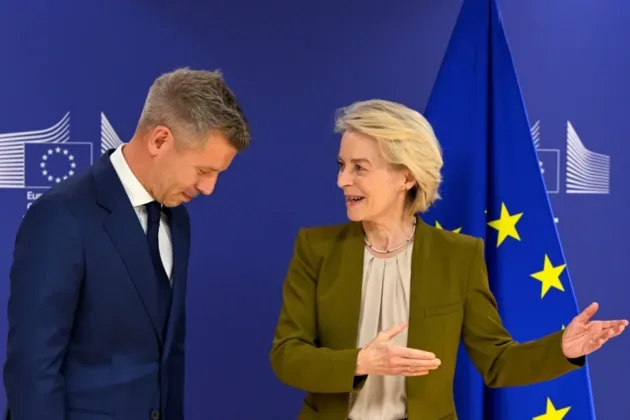
European Commission President Ursula von der Leyen announced the deal at a press conference in Brussels today, standing beside Magyar. There were few surprises: the speed and warmth of the agreement confirmed what EU watchers had predicted from the moment the election result came in, namely that the new Prime Minister was the candidate Brussels had been waiting for.
“Only a few weeks have passed, but we can already feel a strong wind of change across Hungary,” von der Leyen said. She framed the agreement as the basis for reforms in areas the Commission regards as central to the rule of law and the protection of EU money, including the fight against corruption.
Crucially, the money is conditional. Von der Leyen said €10 billion from Hungary’s post-pandemic recovery plan would be unblocked subject to Budapest adopting the reforms demanded by Brussels and getting investments under way. Under EU rules, the plan must be executed before the end of August or the support is lost.
A further €4.2 billion in cohesion funds, held back under the conditionality mechanism that blocks payments where the rule of law is deemed at risk, would also be freed, along with €2.2 billion tied to reforms restoring fundamental rights, including academic freedom.
In short, the cash flows once Hungary delivers the changes the Commission wants — an arrangement critics will read as payment for compliance with Brussels’ agenda. The funds had been suspended throughout the rule of Orbán, who clashed repeatedly with the EU over graft, judicial independence and the treatment of LGBTIQ+ people, and who cast such conditions as foreign interference.
Magyar called the agreement “very important” and said Hungary would cooperate with the EU “in the interest of the Hungarian people and of European citizens”.
The reset sits awkwardly with his own campaign. Magyar, who sits with the centre-right European People’s Party (EPP) in the European Parliament, spent months trying to avoid being branded a “Brussels puppet” by Orbán, at times distancing himself from von der Leyen. His swift acceptance of the Commission’s terms is likely to revive that charge at home.
Hungary’s recovery money is made up of €6.5 billion in grants and €3.9 billion in cheap loans. Magyar said he would soon submit Hungary’s request to join the European Public Prosecutor’s Office (EPPO), a body Orbán had long refused to join.