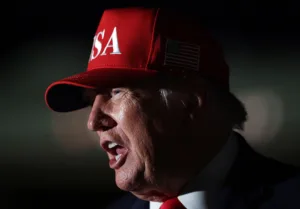

Oil tankers have begun leaving the Strait of Hormuz, United States President Donald Trump has said, in the first sign that a tentative ceasefire with Iran is easing a months-long blockade of one of the world’s busiest energy routes.
Writing on June 15, Trump said vessels were travelling a southern corridor he described as “totally safe, secure, and pristine”.
The strait, which normally carries about a fifth of the world’s seaborne oil, has been largely closed since late February, when the United States and Israel launched a joint assault on Iran.
Washington and Tehran reached a preliminary agreement on June 14 to halt hostilities and reopen the waterway. A formal signing is expected on June 19 in Switzerland.
Pakistani Prime Minister Shehbaz Sharif, who helped broker the talks, first announced the pact. Iran’s deputy foreign minister later confirmed it.
Vice-President JD Vance said the deal would “change the Middle East” if Tehran complied, telling US broadcasters that its core aims were reopening Hormuz and a lasting guarantee that Iran would never build a nuclear weapon.
He said Washington was prepared to ease sanctions should Iran honour long-term commitments, though he indicated frozen Iranian funds had not yet been released.
Several obstacles remain. Israeli Defence Minister Israel Katz said his forces would not withdraw from southern Lebanon despite the ceasefire, a position Vance conceded could complicate the plan.
Doubts also surround the strait itself. Shipping and maritime security officials told Reuters that mine-clearing could take 40 to 50 days before insurers and operators judged the route safe.
UK Maritime Trade Operations (UKMTO) warned vessels not to attempt the crossing until the deal was signed, as a US naval blockade of Iranian ports would stay in force until then.
The conflict has weighed heavily on Europe, where the closure drove up energy and fertiliser prices and added to inflation. Oil futures fell by about 4 per cent after the announcement.
The European Union had earlier weighed naval missions to help reopen the strait, with foreign policy chief Kaja Kallas saying member states had a clear interest in keeping it open.
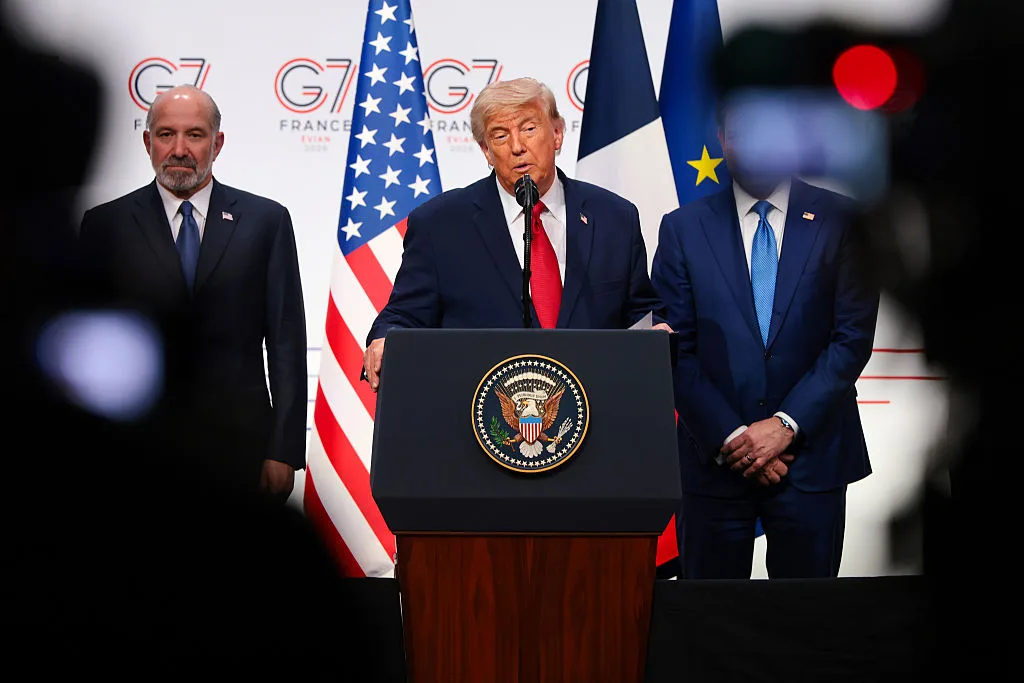
The agreement now dominates the Group of Seven (G7) summit that opened on June 15 in Évian-les-Bains, eastern France, with the bloc among those taking part.
Host French President Emmanuel Macron said leaders would assess the deal, sustain support for Lebanon, secure a lasting reopening of Hormuz and pursue a wider accord on Iran’s nuclear and ballistic programmes.
Macron added that the summit would also examine how to diversify the region’s energy routes and reduce European dependence on them.