






Gibraltar and Spain have opened their land frontier to passport-free movement, ending more than a century of controls at one of Europe’s most contested crossings.
Gibraltar’s Chief Minister Fabian Picardo and the mayor of La Línea de la Concepción, Juan Franco, walked through the dismantled barrier shortly after midnight on July 15. They were the first to cross without showing passports, watched by crowds on both sides as a band played the EU anthem.
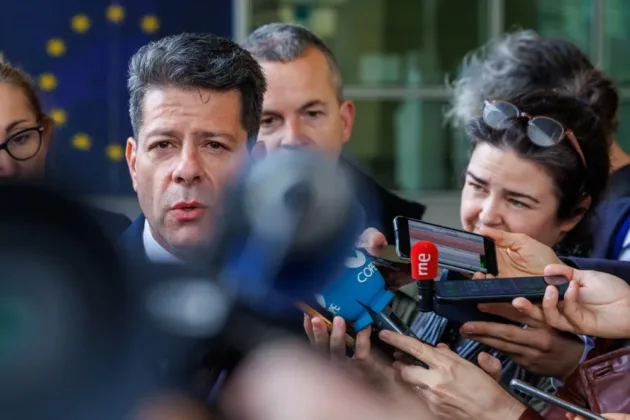
The crossing followed the signing in Brussels on July 14 of the treaty normalising the territory’s relationship with the bloc, four years after Brexit left its status in limbo. Trade Commissioner Maroš Šefčovič signed for the 27 member states and Foreign Office minister Stephen Doughty for the British Government.
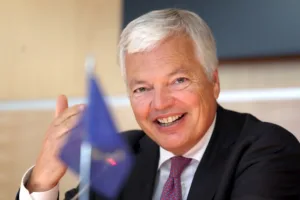
Šefčovič, who handles relations with London for the European Commission, said it was “a very special feeling to see a fence come down”. Doughty said the deal secured Gibraltar’s long-term economic future.
The agreement applies provisionally from midnight and still requires formal ratification, including consent from the European Parliament. It brings the Rock, in effect, into the Schengen free travel area.
Entry and exit checks would move to Gibraltar’s airport and port, where Spanish police are to carry out Schengen controls alongside Gibraltarian officers.
Some 15,000 Spaniards, close to half of Gibraltar’s workforce, cross each day for work. Without a deal they would have faced full passport checks at a hard land border.
The fence, put up in 1909, was closed completely under Franco’s dictatorship in 1969. Pedestrians could not cross again until December 1982 and vehicles until February 1985.
Spanish Prime Minister Pedro Sánchez was due in La Línea on July 15 for a ceremony marking what his government has called the demolition of the fence. The event was moved from July 13 after a wildfire at Los Gallardos, in Almería province, southeast Spain, killed 12 people.
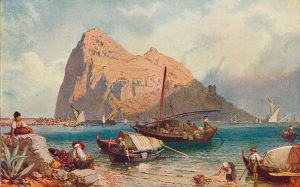
The treaty leaves the sovereignty dispute untouched. Spain has claimed the territory since it was ceded to Britain in 1713, and 96 per cent of Gibraltarians voted to remain in the EU in 2016.
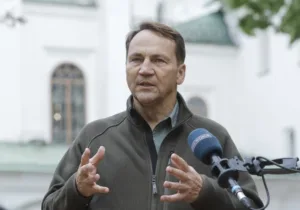
Picardo said Gibraltar would become “a digital fortress”, with live facial-recognition cameras across the territory and a new security perimeter built further inside the Rock around the airport and military sites.
Free movement does not bring the right to live in Gibraltar. Its government excluded the EU right of establishment and tightened residency rules after a sharp rise in applications.
The fence has gone though the checks have not. They have moved inside a British Overseas Territory, where Spanish officers acting for Schengen now stand, and the sovereignty question the treaty was built to avoid remains exactly where it was.