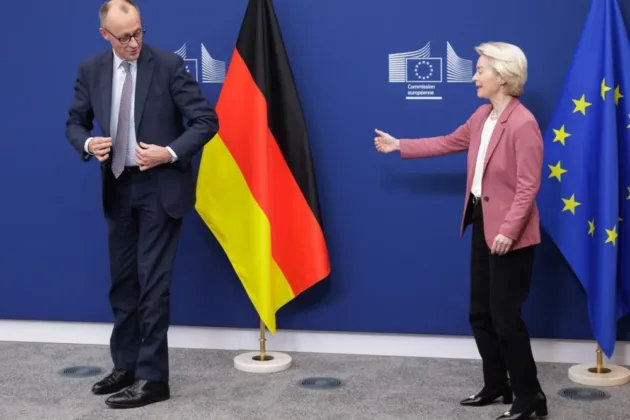


German Chancellor Friedrich Merz has called for the European Union’s next seven-year budget to be cut by several hundred billion euros, hardening Berlin’s position at the start of Ireland’s presidency of the Council of the European Union.
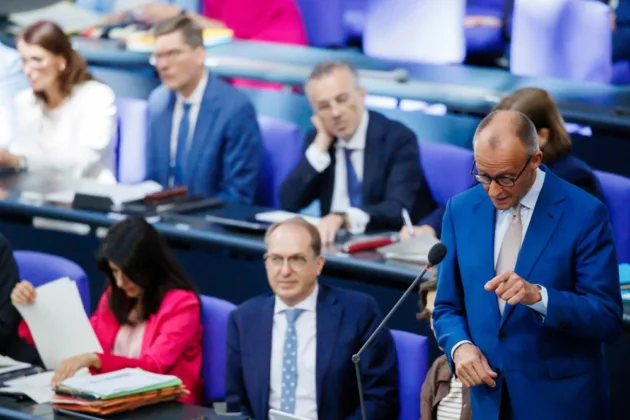
He set out the demand in a speech in Dublin on July 28, 2026, before meeting Taoiseach Micheál Martin at Farmleigh House.
Member states were taking difficult decisions on budget consolidation, Merz said, and so “we cannot have excessive increases at the European level”. He described cuts across the board as imperative.
The Chancellor said his own Government planned to reduce its workforce by 8 per cent over the next four years.
He also called for a reduction in bureaucracy and signalled German opposition both to fresh taxes on companies at European level to fund the budget and to capping direct payments made by member states to businesses.
Berlin has separately rejected the European Commission’s request for about 2,500 extra posts in its own administration, a rise of roughly 7.6 per cent. Merz said earlier in July that expanding the EU executive’s administrative budget in that way was detached from reality.
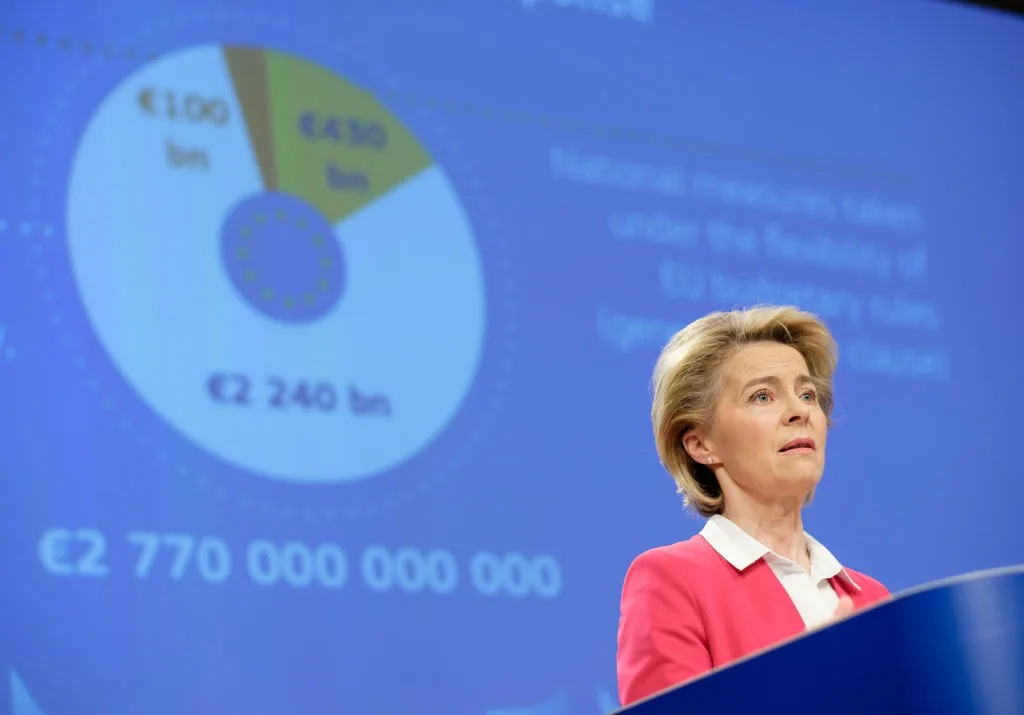
The Commission proposed a Multiannual Financial Framework of almost €2 trillion, or 1.26 per cent of EU gross national income, in July 2025. The European Parliament went further in April, demanding a package worth about €2.2 trillion.
Germany is the largest net contributor to the budget and its ambassador to the EU has warned that Berlin’s net payments could rise by around 80 per cent under the plans.
Ireland holds the rotating EU Council presidency until the end of December and has made a budget deal one of its priorities. Martin said before the meeting that he wanted negotiations to conclude as soon as possible and would look for the compromises needed to get there.
The Taoiseach was more guarded on a digital levy aimed at technology multinationals, saying Dublin had “to tread carefully on that front” given the trade agreement struck between Brussels and Washington.
Merz argued that Europe could hold its ground in the world only through its own economic strength, adding that ambition within the bloc had clearly declined and that much would depend on the Irish presidency on competitiveness.
The two leaders also discussed enlargement, with Merz backing accession for Montenegro by the end of the decade and a form of associated membership for Ukraine as a step towards full entry.
The financial framework has to be agreed unanimously by member states and approved by Parliament, leaving every capital with a veto.