
The European Commission has coordinated the response of all 27 member states to disinformation linked to the Ceuta migration crisis, at a meeting on August 13 that reviewed the measures taken so far and possible further action online.
Spain briefed the other member states on how the situation in the enclave had developed. The talks were held within the European Board for Digital Services, the panel of national regulators created by the Digital Services Act.
Commission Executive Vice-President for Tech Sovereignty, Security and Democracy Henna Virkkunen said afterwards that intensive coordination with the platforms would continue in order to halt the spread of false information and counter the promises circulated by criminal networks. She said fighting illegal migration and protecting lives was a shared responsibility.
The Commission has been in daily contact with Meta and TikTok since the crossings. Both firms have activated crisis protocols and opened an escalation channel with fact-checkers under the EU code of conduct on disinformation, a voluntary instrument folded into the DSA in July 2025.
Virkkunen said on August 10 that the aim was to “stifle the criminal networks selling false promises”. Commission spokesman Guillaume Mercier said the cooperation was proving effective and that attention was being kept at the highest level.
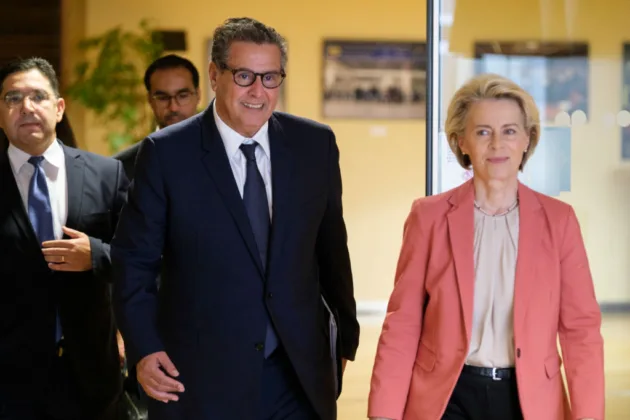
Morocco has been largely absent from that response. European Commission President Ursula von der Leyen avoided naming the kingdom after the crossings and offered Rabat more EU support, with German Chancellor Friedrich Merz the only major EU leader to demand publicly that Morocco take the migrants back.
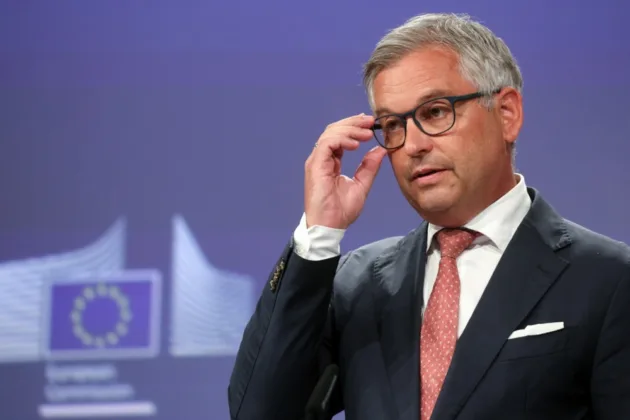
Madrid has asked its partners not to blame Rabat. Migration Commissioner Magnus Brunner has confirmed Morocco remains on the EU list of safe countries of origin and has credited Spanish-Moroccan cooperation with the return of about 70,000 people.
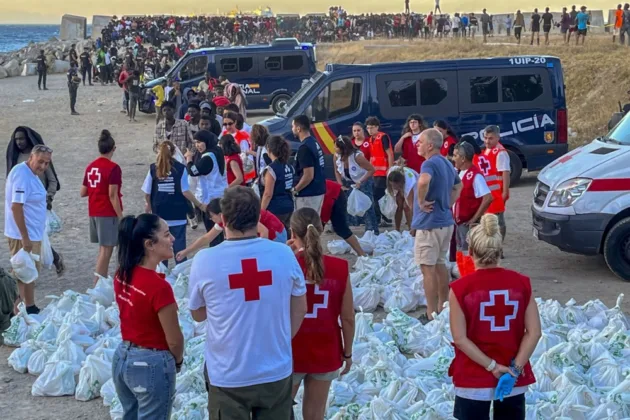
Some 72,000 people entered Ceuta on July 30-31 according to the Spanish interior ministry, a figure Morocco has put at about 40,000. At least 75 died, most of them drowning near the Tarajal breakwater, though the NGO Caminando Fronteras has counted 141, including bodies recovered in Moroccan waters.
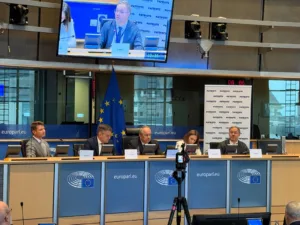
The European People’s Party has called for EU-wide external border protection since the crisis. At a hearing of the European Parliament civil liberties committee, MEPs asked how far Rabat had used migration as political leverage, and Brunner stopped short of calling the events hybrid warfare.
Spanish authorities are tracking online calls for a fresh attempt around August 15. A team of EU migration experts has been sent to Ceuta to make a first-hand assessment.