









Israeli Prime Minister Benjamin Netanyahu has ruled out a negotiated settlement with Iran, telling an audience in Jerusalem that no agreement was possible with what he called “those savages” in Tehran.
He was speaking on August 25 at an event organised by the Binyamin Regional Council, which represents Israeli settlements in the West Bank. His office later released video of the Hebrew-language remarks.
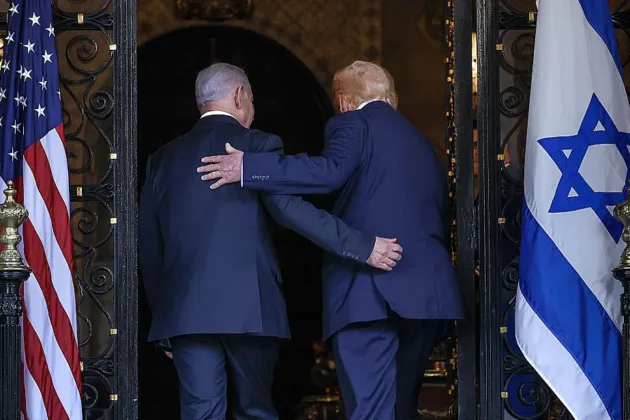
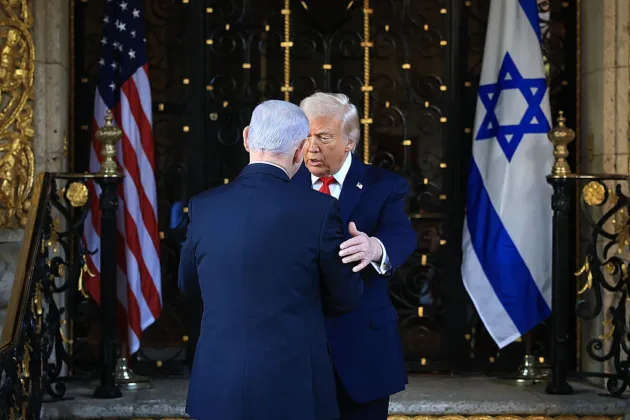
Netanyahu said he had set out three options to US President Donald Trump when the two met at the White House in July. The first was a deal, to which he said Israel would not object, though he doubted one could be struck.
The second was military action. Netanyahu said Israel would not allow Iran to attack it and warned that any strike would be answered more heavily than anything Tehran had endured so far.
The third, he said, was to tighten the siege on Iran. He praised Trump for extending that pressure beyond Iran itself to those assisting what he described as a terrible dictatorship.
The comments followed the launch on August 24 of Operation Economic Outcast, announced by US Treasury Secretary Scott Bessent, who said Washington intended to “sever every economic lifeline” sustaining the Iranian regime.
The Treasury designated close to 60 companies, individuals and vessels, including Chinese nationals, and widened secondary sanctions to cover shipping, aviation, gold, technology and digital assets. Entities in Europe are among those that could be caught.
That leaves European firms in an awkward position. The European Union’s Blocking Statute forbids them from complying with US sanctions on Iran unless the European Commission authorises it, and the Court of Justice of the European Union has ruled that companies ending Iranian contracts must justify the decision on grounds other than American pressure.
In practice most have chosen access to the dollar since 2018.
Brussels has kept its own measures narrower. The bloc adopted sanctions on May 22 against Iranian officials and entities responsible for disrupting shipping through the Strait of Hormuz, following political agreement at the Foreign Affairs Council in April.
The waterway, which carries roughly a fifth of global oil and liquefied natural gas supplies, has been largely closed since February 28, when Iran moved against shipping in response to US and Israeli air strikes. European gas prices climbed through the spring.
Netanyahu said the axis led by Tehran was broken though not gone, and listed Gaza, Lebanon and Syria among Israel’s remaining challenges. Israel goes to the polls on October 27.