





The United States has vowed to keep pursuing a nuclear agreement with Iran even if Israel disapproves, with Vice President JD Vance arguing that any deal would ultimately serve American interests.
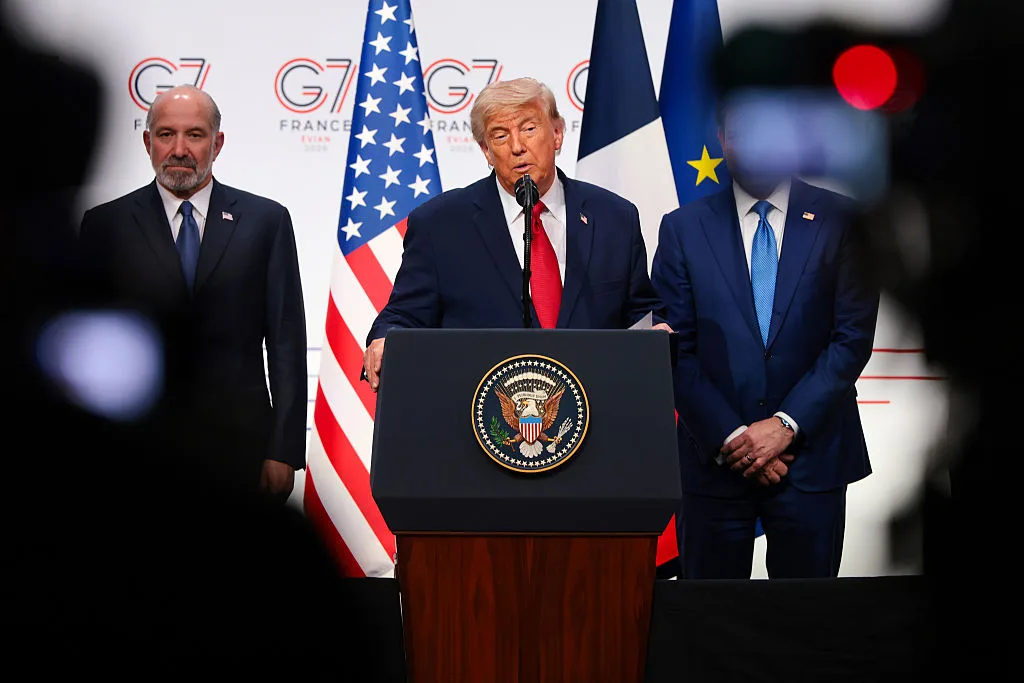
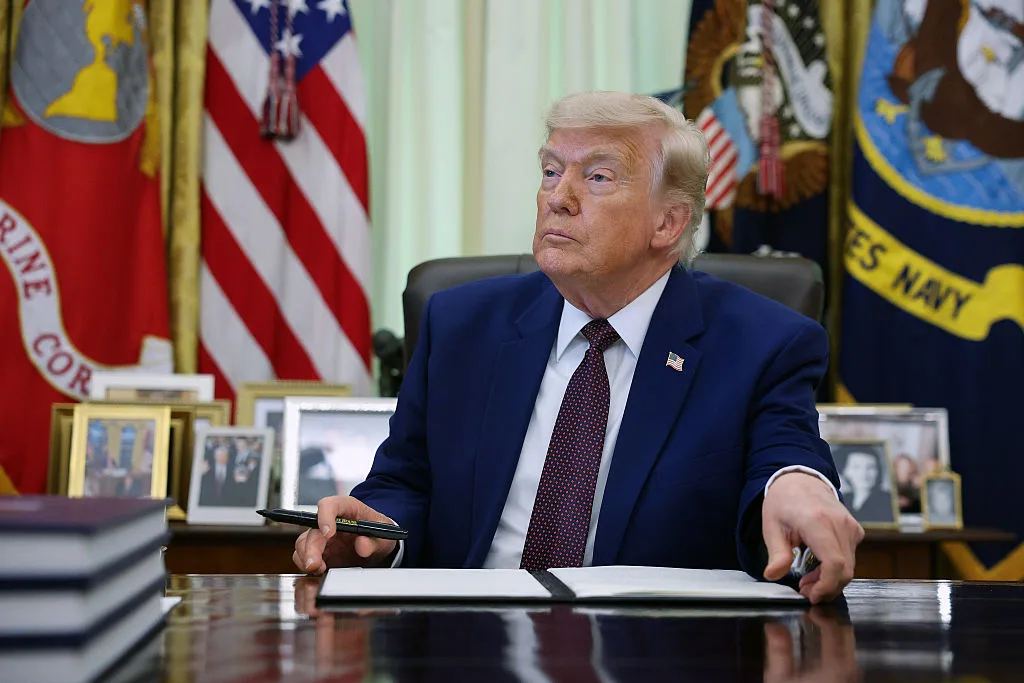
Speaking to Fox News, Vance said Israel “may not like that” but that Washington believed the effort was fundamentally in the United States’ favour. He added that the administration of President Donald Trump would press on regardless.
His comments came as a fragile halt in fighting held between Israel and Iran, days after the two sides exchanged their first direct strikes since a ceasefire took effect in early April.
Vance acknowledged the two allies did not always see eye to eye. While they shared many interests, he said, there were situations in which those interests diverged.
The vice president stressed that the central US aim was to ensure Iran never obtained nuclear weapons, even as Israel pursued objectives of its own. He said any agreement would be subject to long-term verification to confirm Tehran was honouring its side of the bargain.
Trump had earlier pressed Israeli Prime Minister Benjamin Netanyahu to halt the latest round of attacks, which erupted after renewed Israeli bombing of Beirut’s southern suburbs. Iran, which treats strikes on the Lebanese capital as a red line, fired missiles at Israel in retaliation before both sides stood down.
Netanyahu said Israel had stopped its attacks on Iran but did not confirm a ceasefire. Tehran, in turn, suspended its own operations while warning it would resume them if Israeli strikes on southern Lebanon continued.
Vance described reaching a deal as a difficult task though one within reach, saying Trump had put Washington in a strong position. He argued that Iran did not want the war to continue and was now bringing serious proposals to the table.
Iran’s ambassador to the United Nations, Amir Saeid Iravani, said efforts to reach an agreement were continuing, though he cautioned that no final text had yet been settled, according to the Iranian news agency Tasnim.
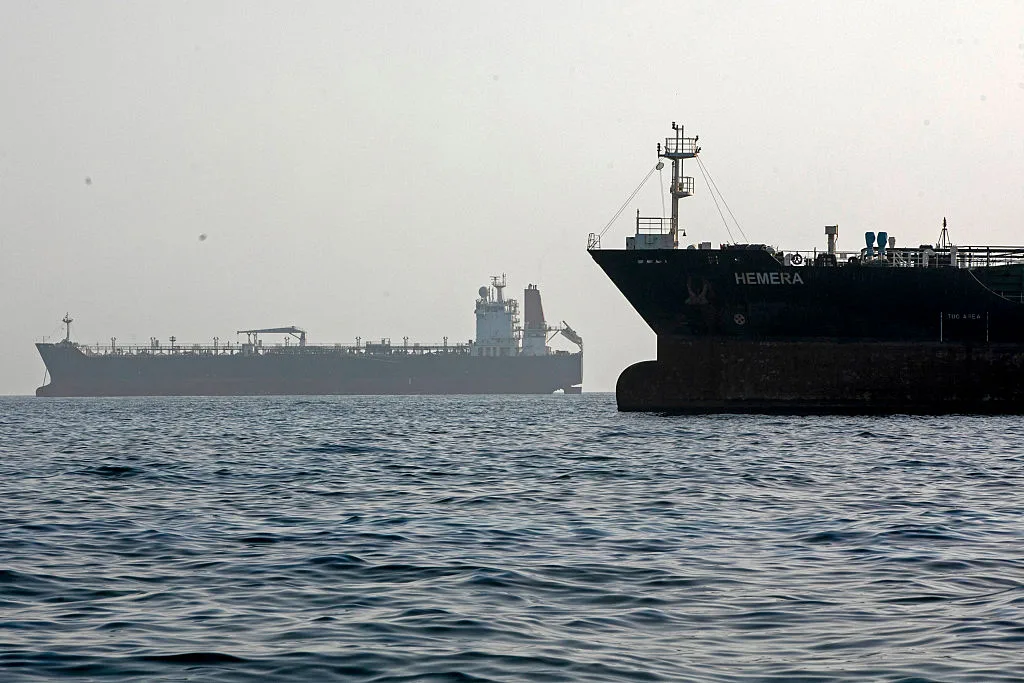
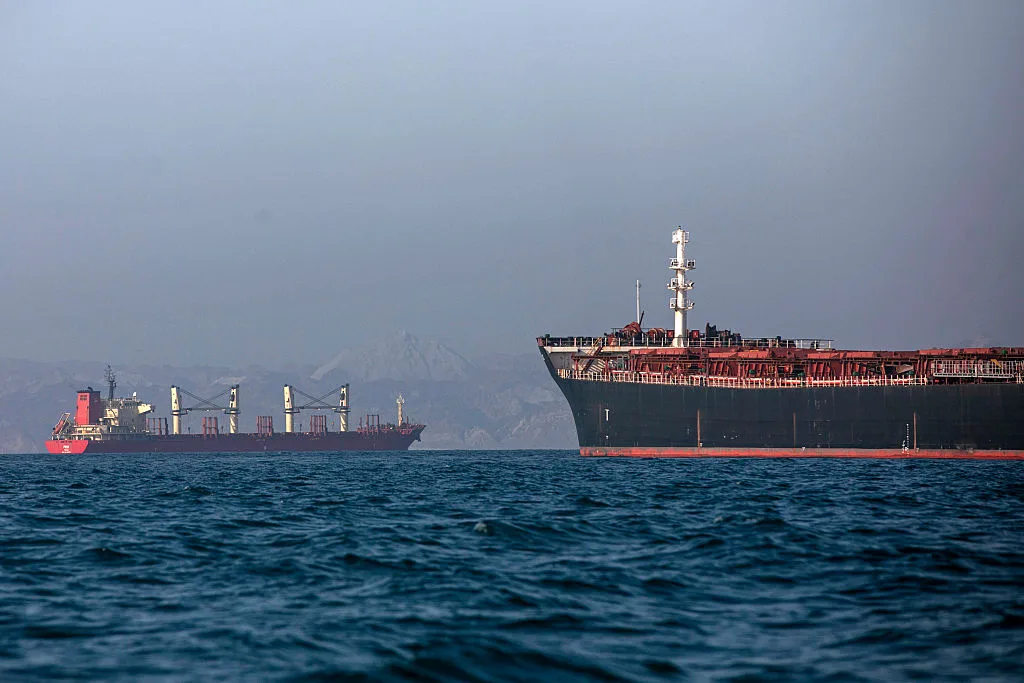
The roughly three-month conflict has rattled energy markets, with tensions over shipping through the Strait of Hormuz fuelling concern about global oil supplies.