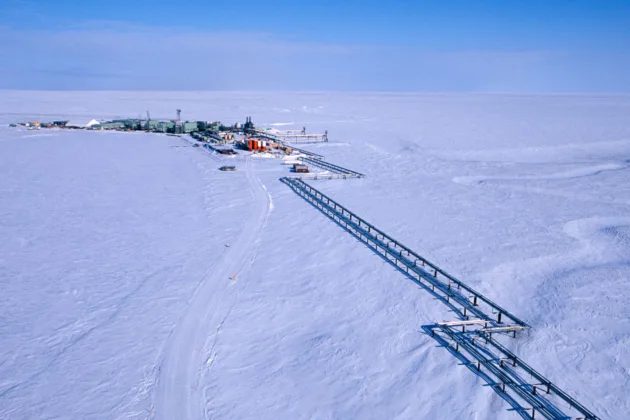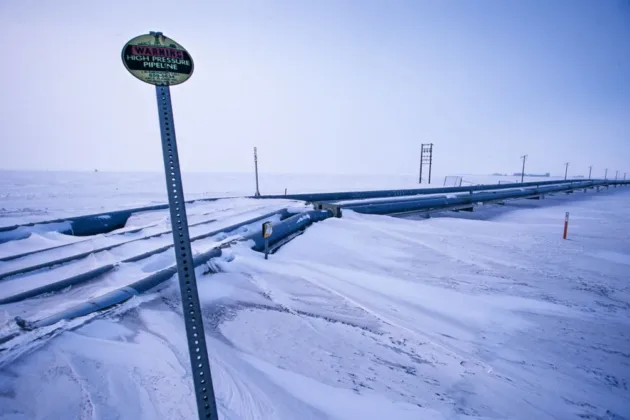







Norway will continue developing oil and gas resources in the Arctic Barents Sea regardless of any European Union support for a moratorium on Arctic hydrocarbon extraction, Energy Minister Terje Aasland said on Monday.
In an interview with Reuters ahead of the ONS energy conference in Stavanger, Aasland also declared that Norway no longer sees itself as Europe’s “green battery.”
“It was a flawed idea,” the minister said, arguing that Norway alone cannot balance the European power market.
The concept, once promoted by Norwegian officials to justify new interconnectors with Britain and Germany, has faced growing domestic opposition as continental electricity prices have spilled over into Norway.
Aasland stressed that maintaining roughly current levels of petroleum production and exports until at least 2035 will require further activity in the Barents Sea.
“In today’s geopolitical and security environment, and given the resource situation, I believe continued activity in the Barents Sea serves both Norwegian and European interests,” he said.
The EU’s current Arctic strategy calls for a moratorium on new oil and gas activity north of the Arctic Circle on environmental grounds.
Brussels is due to update that strategy later this year, and Norway has been lobbying hard for a rethink amid Europe’s post-Russia energy recalibration.
Aasland was clear on the limits of EU influence: “We would develop these areas, and then it will be up to the EU whether they should have a moratorium on buying that gas or oil.”
Equinor CEO Anders Opedal reinforced the message, noting that oil and LNG from the Barents Sea can be sold on global markets if Europe declines them.
“The only thing that will suffer from this is actually European security. We have the flexibility,” he told Reuters.
Norway currently supplies around 30 per cent of the gas consumed in the EU and UK. Official forecasts show a sharp drop in production after 2030 without new discoveries and developments, most of which lie in the northern Barents Sea.
The comments underscore a widening gap between Oslo’s energy realism and the more ambitious strands of the EU’s Green Deal.
Aasland’s remarks come as several member states quietly push for greater pragmatism on gas supplies and as Brussels prepares its updated Arctic policy.
While the Commission continues to frame Arctic drilling primarily as a climate issue, Norway is framing it as a question of European energy security and its own sovereign resource management.
Germany’s biggest oilrig, the Mittelplate station in the North Sea, may be forced to close down permanently.https://t.co/3knIMEEAEh
— Brussels Signal (@brusselssignal) March 18, 2026