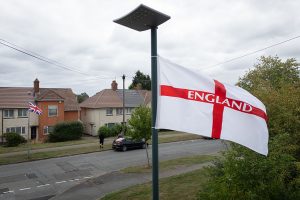




Birmingham City Council has applied to the High Court for an injunction to stop campaigners attaching British and English flags to lampposts in the city.
The application, lodged on August 26 and first reported by The Guardian, names Ryan Bridge, co-founder of the Operation Raise the Colours campaign, seven other individuals and “persons unknown”.
It seeks to prohibit unauthorised attachments on the highway, including flags, banners and signage. Breach of such an order is contempt of court, punishable by imprisonment, an unlimited fine or the seizure of assets.
The authority, the largest local council in Europe, is run by a coalition of Liberal Democrats, Greens and independents. It said staff and contractors sent to remove flags had encountered harassment, intimidation and obstruction.
Jane Baston, the council’s Green cabinet member for equalities, communities and social justice, described the approach as “lawful, proportionate and evidence-led”.
She said the priority was to protect public safety, staff welfare, community cohesion and the responsible use of public money. The council added that the action was not directed at any particular community, belief or viewpoint.
Reform UK, which holds 22 seats on the authority, opposed the move. Group leader Jex Parkin called it “extraordinary” and said the Union Flag and St George’s Cross belonged to everyone in the country.
Critics have pointed to the council’s decision to light the Library of Birmingham in green and white to mark Pakistan’s independence day, and to Palestinian flags that hung from city lampposts for months without legal action.
Bridge has said he would continue the campaign whatever the court decides.
Oxfordshire County Council was the first authority to obtain such an order. Four named defendants, Bridge among them, gave undertakings at the Royal Courts of Justice on June 23 not to place flags in the county, and a final injunction lasting one year was granted on July 9.
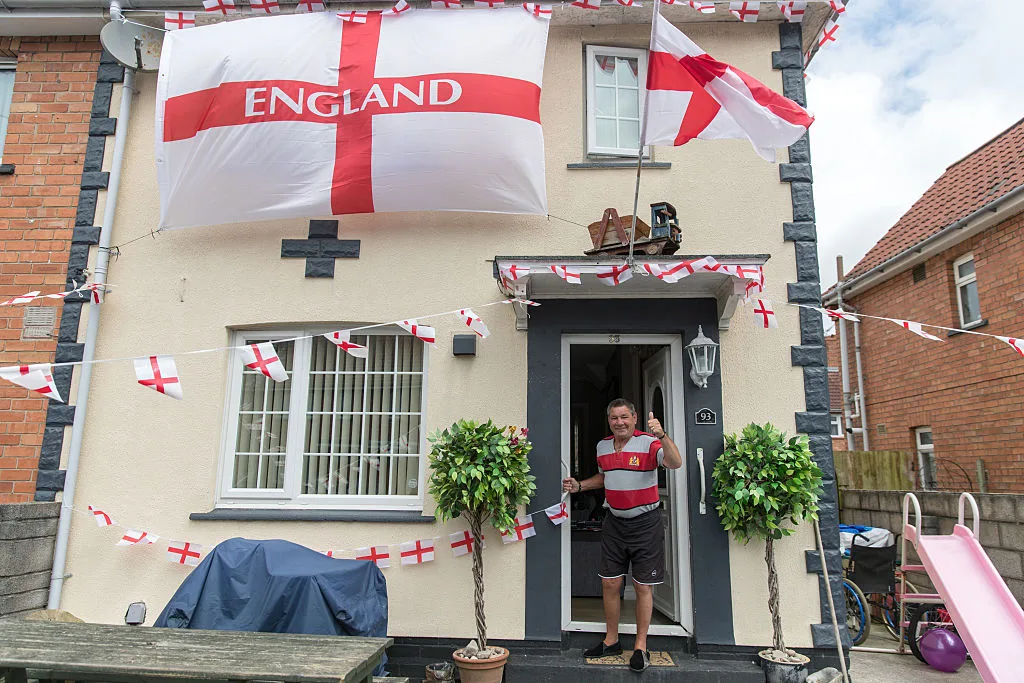
Flags began appearing on lampposts, roundabouts and road bridges across England in August 2025. Organisers describe the campaign as an expression of national pride, while opponents say the displays are meant to intimidate ethnic minority residents.
Councils including Bristol, South Gloucestershire and Wiltshire have warned residents against attaching flags to public property during the World Cup.
Birmingham ordered the removal of hundreds of flags in August 2025, saying they put motorists and pedestrians at risk, although many were fixed some 25ft above the ground.
No date for a hearing has been made public.