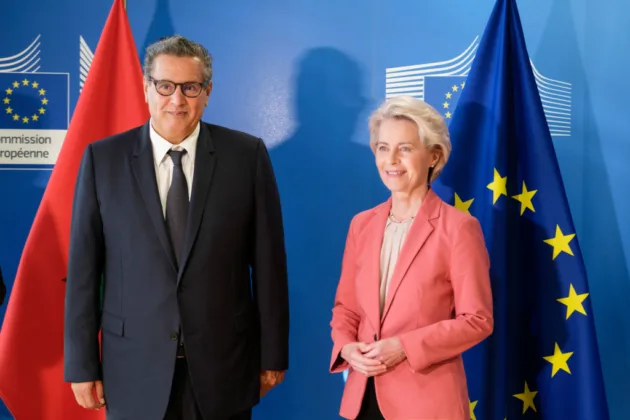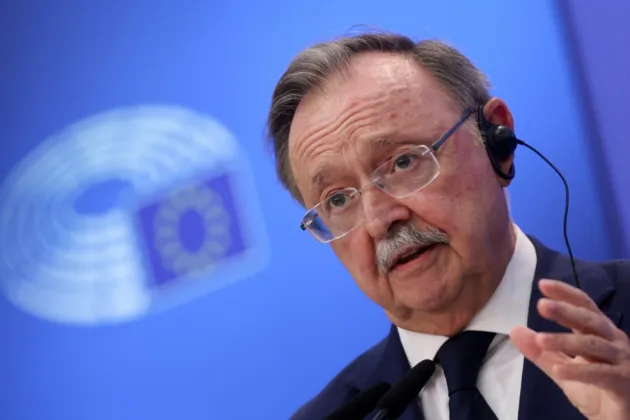






The European Commission has granted Spain €114.7 million in emergency assistance six weeks after tens of thousands of people forced the European Union’s external border at Ceuta, several thousand of whom remain in the city.
The sum matches Spain’s request, almost three-quarters of it drawn from the EU’s asylum and migration budget rather than its border budget. Madrid sought €82.7 million from the Asylum, Migration and Integration Fund, which pays for reception, accommodation and asylum processing, and €32 million from the Border Management and Visa Instrument, according to government figures.
The package included funds to reinforce the border, set up registration and screening facilities and accelerate deportations. Spain’s request also covered resources to care for those remaining, especially unaccompanied minors.
Territorial policy minister Ángel Víctor Torres, who heads the single command Madrid created for the response, said on August 25 that humanitarian assistance would continue for asylum seekers and unaccompanied minors, who cannot be returned.
European Commissioner for Home Affairs and Migration Magnus Brunner said the breach had put the bloc’s resilience and the security of its external borders to the test. In a statement, the Austrian commissioner said the priority remained clear: Those with no right to stay would have to be returned.
The Commission said on September 9 that Frontex, Europol and the European Union Agency for Asylum had responded favourably to Madrid’s request for operational support and would reinforce assistance to the Spanish authorities on the ground.
Thousands of people walked and swam past the breakwater into the autonomous city on the North African coast on July 30-31. The Guardia Civil said at the time that it had been overwhelmed.
The Spanish Government said about 5,000 remained, including some 1,200 minors, though local estimates ran above 10,000. Ceuta’s hospital, courts and emergency services have been strained since, and residents have staged repeated protests.
Brunner said in early August that the EU had passed the test posed by the crossings, crediting cooperation between Madrid, Rabat and the EU institutions.
Almost a month went by before the Spanish Government formally requested the funding and reinforced agency support on August 28, having initially resisted the operational help Brussels offered. Weeks of exchanges followed, with the Commission seeking clarifications.
Brunner pointed to significant progress on September 4 after a call with Spanish interior minister Fernando Grande-Marlaska.
The decision came a day after the commissioner received Ceuta mayor-president Juan Jesús Vivas and Spanish foreign minister José Manuel Albares separately at his office in Brussels. Vivas has pressed for a permanent EU presence and a distinct legal status for the city.