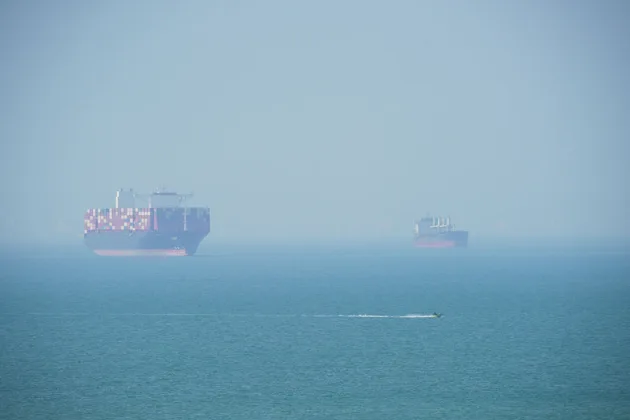

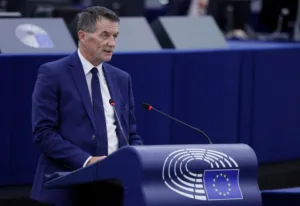

EU foreign policy chief Kaja Kallas has called on Iran to let ships through the Strait of Hormuz without charges once its war with the United States ends.
Kallas met Iranian Foreign Minister Abbas Araghchi on September 22 on the sidelines of the UN General Assembly in New York. In a post on X, she said the two had discussed diplomatic prospects for ending the conflict and fully reopening the waterway.
She noted that no tolls or fees had applied to shipping before the war and insisted none should be levied afterwards. Navigation had to be “free and unimpeded”, she said, both in Hormuz and in the Bab al-Mandab Strait at the southern entrance to the Red Sea.
Kallas also said she had raised repression inside Iran with Araghchi, including a sharp rise in executions and death sentences.
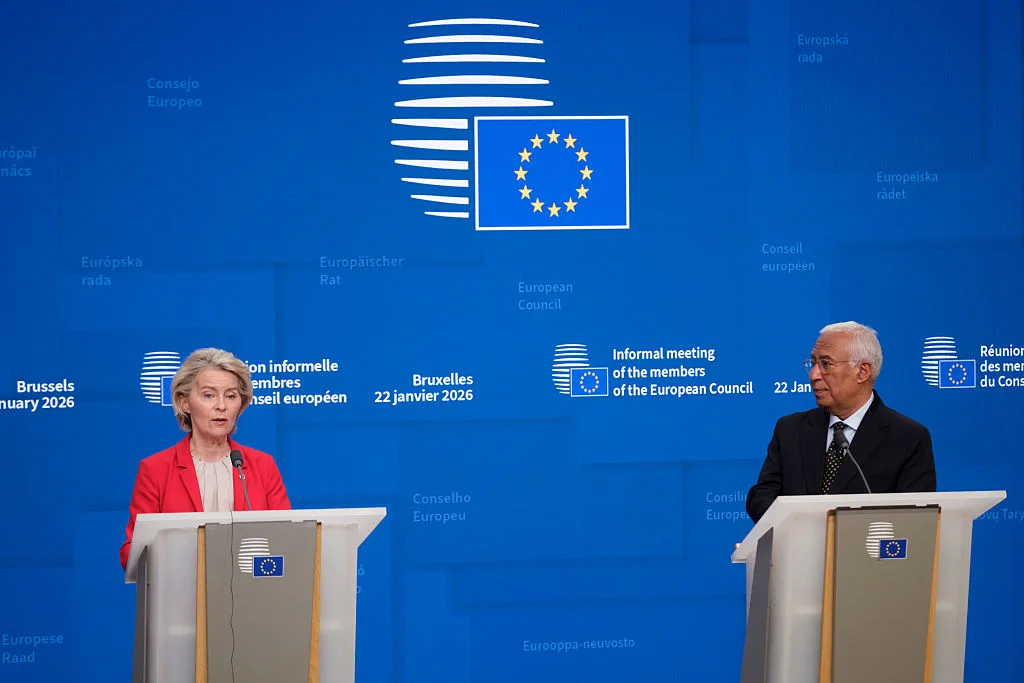
Kallas is in New York for a week of European Union diplomacy alongside European Commission President Ursula von der Leyen and European Council President António Costa.
On the same day, US envoys Steve Witkoff and Jared Kushner held indirect talks with the Iranian delegation through mediators. Witkoff said the sides had completed a round of discussions he hoped would prove “constructive and promising”.
Iranian state media said Tehran used the encounter to set out its conditions for reopening the strait. These included lifting the US naval blockade of Iranian ports, releasing frozen Iranian assets and ending the war on all fronts, including Lebanon.
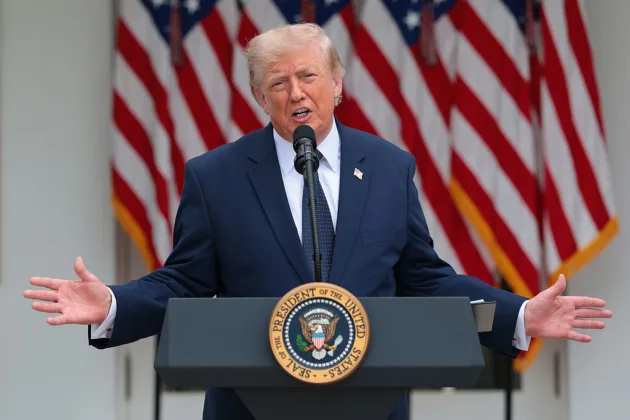
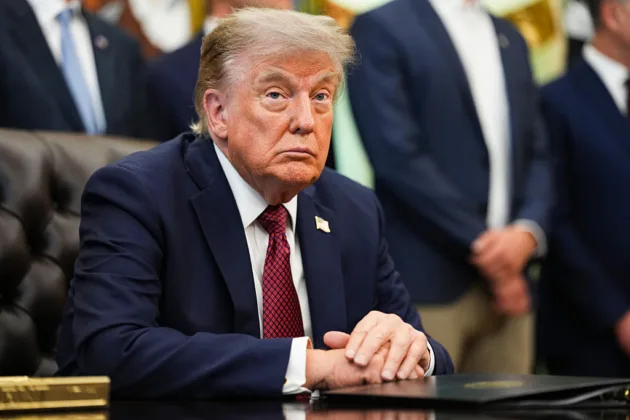
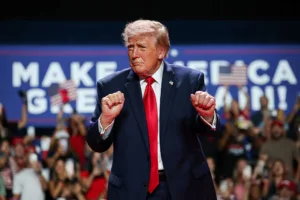
In his address to the General Assembly, US President Donald Trump said he had “a big decision to make” over whether to strike a deal with Iran.
The gap between the two sides remains wide. On September 22, the Iranian parliament’s national security and foreign policy committee approved provisions of a bill penalising vessels that cross the strait in breach of Iranian rules, according to the state news agency IRNA.
Committee spokesman Hassan Ghashghavi said authorities could seize 20 per cent of an offending ship’s cargo and hold the vessel until penalties were paid. Another provision would assert Iranian sovereignty over the strait.
The bill has yet to become law. It still needs approval from the full parliament and the Guardian Council.
The strait has been largely closed since February 28, when US and Israeli air strikes on Iran triggered the conflict. A memorandum signed by Trump and Iranian President Masoud Pezeshkian on June 17 to reopen it collapsed within weeks.
Brussels has repeatedly demanded toll-free passage through the strait but has kept its distance from the fighting. The bloc adopted sanctions on May 22 against those it held responsible for obstructing transit, while Kallas has said this is not Europe’s war.