


Iran’s Supreme National Security Council secretary Mohsen Rezaei has warned that Tehran would bring a “calamity” upon American military and economic interests if Washington launched a new war.
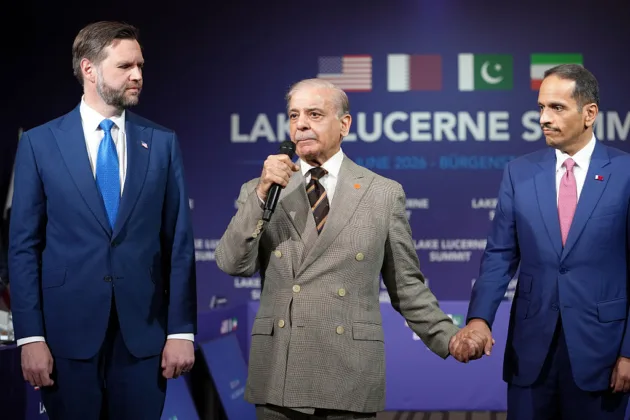
He delivered the threat in Tehran on August 27 to Qatari Prime Minister and Foreign Minister Sheikh Mohammed bin Abdulrahman Al Thani, who is mediating between Iran and the United States. Rezaei told him Iran did not trust Washington and accused it of repeatedly betraying diplomacy, according to Al-Monitor.
Qatar’s foreign ministry confirmed the meeting and said the two had discussed the consequences of escalation and efforts to calm the region. Al Thani stressed the importance of wisdom and responsibility in handling the crisis.
The Qatari premier also saw President Masoud Pezeshkian, foreign minister Abbas Araghchi and parliament speaker Mohammad Bagher Ghalibaf. It was the third such visit in a week, after Oman’s foreign minister and Pakistan’s army chief.
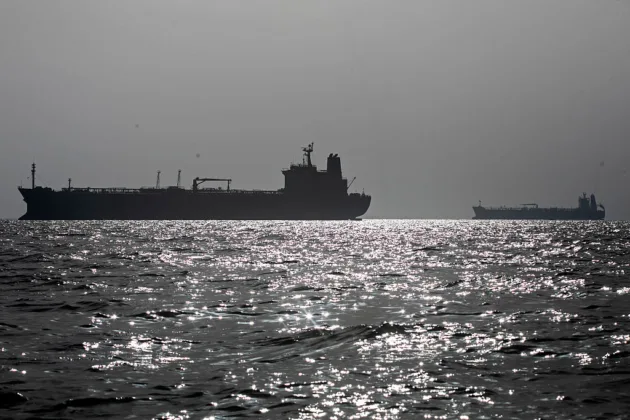
Rezaei said Washington would have to take concrete steps to meet Iranian conditions before Tehran let shipping resume through the Strait of Hormuz. He has repeatedly tied any reopening to American compliance with the memorandum of understanding signed in June.
Hours later US Central Command chief Admiral Brad Cooper said internationally recognised shipping lanes in the strait had been cleared of Iranian sea mines. He said the lanes were open and that nearly 1,500 commercial vessels had been helped through the waterway.
In a separate interview with the Lebanese broadcaster Al Manar, Rezaei said Iran would send Israeli Prime Minister Benjamin Netanyahu “to hell” and that his mistakes had brought Israel closer to its end.
He described Beirut and its southern suburbs as red lines. Any understanding with Washington, he said, required an end to the wars in Lebanon and Gaza and a halt to Israeli strikes on Syria.
Rezaei, a former Revolutionary Guard commander appointed to the security post this month, warned on August 22 that neighbouring states joining the US economic campaign would be treated as enemies. He also threatened then to block oil exports from the Gulf.
Washington launched Operation Economic Outcast on August 24, a sanctions drive that Netanyahu has welcomed as a tightening of the siege on Iran. European companies are among those exposed to the secondary measures.
The threats have landed as energy markets ease. Brent crude fell below $87 (€75) a barrel on Thursday, a fourth consecutive session of decline, after Iran and Oman agreed terms on their respective shares of the strait.
The waterway normally carries about a fifth of the world’s oil and liquefied natural gas, much of it bound for European buyers. Its closure since February has pushed gas and fuel prices higher across the bloc, complicating European Central Bank policy.