





Belgium and the UK have signed a police cooperation agreement designed to speed up intelligence sharing against the gangs behind small boat crossings in the English Channel.
UK Home Secretary Shabana Mahmood and Belgian interior minister Bernard Quintin put their names to the UK-Belgium Law Enforcement Cooperation Agreement in London on September 9.
According to Belgian authorities, it is the first bilateral police cooperation treaty between a European Union member state and the UK since Brexit. Several EU instruments for police cooperation with London ceased to apply when Britain left the bloc.
Until now, some information exchanges needed judicial approval before intelligence could be shared, the Home Office said. It added that Belgian officers would also be able to join the UK-France intelligence cell in northern France.
“The migrant smuggling trade doesn’t start and stop on the beaches of northern France,” Mahmood said.
She said the gangs operated across borders and that the UK would work with every available international partner to bring them to justice. Mahmood added that small boat crossings were down significantly, though much more remained to be done.
Quintin told broadcaster RTBF that both countries wanted to keep fighting migrant smuggling and drug-related organised crime together, networks he said exploited human misery on both sides of the border. Separately, he said the text had taken years of negotiations and 18 rounds of technical talks.
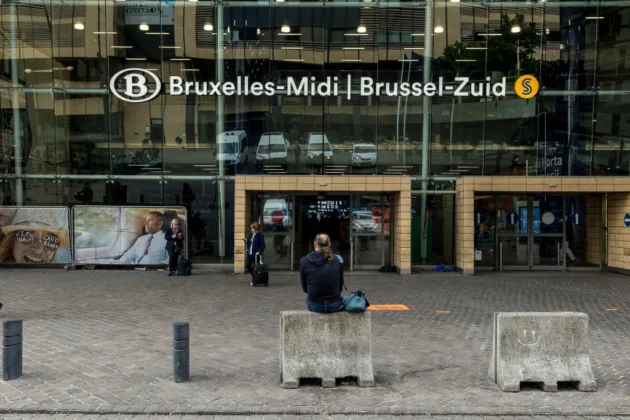
Under the treaty, Belgian police would be allowed to carry firearms on Eurostar trains that make no commercial stop in France. The lack of a legal basis had so far prevented them from doing so, even while those trains were on Belgian territory, according to the Belgian daily La Libre.
A separate implementing agreement would still be needed to settle the practical arrangements, Belgian media reported.
The deal also provides for the exchange of automatic number plate recognition (ANPR) data on vehicles used to move drugs, migrants or boating equipment, allowing Belgian police to act faster. It also expands emergency surveillance powers during cross-border operations.
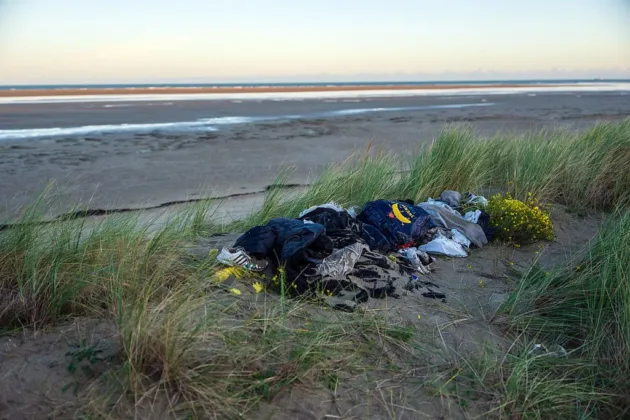
The Belgian coast has emerged as an alternative launch point for crossings. Brussels Signal reported in May that smugglers had shifted their base to Belgium as France tightened controls, with more than 400 people intercepted there by that point in the year.
Tighter French policing around Calais is expected to push smuggling routes further along the coast, British news agency PA reported.
In a joint statement in December 2025, the two governments pledged to deepen security cooperation within the EU-UK Trade and Cooperation Agreement and said they hoped to sign the police deal this year.