







The European Commission has said the European Union is caught in a global energy price crisis, with oil, gas and diesel far above their historical averages, while insisting there is no shortage of fuel across the bloc.
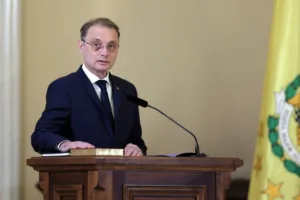
Energy spokeswoman Anna-Kaisa Itkonen told the Commission’s daily briefing in Brussels on October 1 that the crisis was affecting not only the EU but the entire world. She put it down to the simultaneous conflicts in Ukraine and the Middle East.
Itkonen described an affordability crisis caused by extremely high energy costs. She said it was crucial to distinguish between security of supply and the impact on prices, adding that there was “no concrete shortage of diesel” or gas.
The spokeswoman said the Commission could not quantify how much each conflict had contributed to prices, pointing to the war in Ukraine and to the closure of the Strait of Hormuz, shut since the United States and Israel attacked Iran on February 28.
Brussels confirmed it was in high-level contact with the US administration over the diesel market, after Washington was reported to be weighing a 90-day ban on exports of the fuel. Around half of EU diesel imports came from the United States in August.
Itkonen said there were many calls and many meetings under way with member states on how to proceed.
Any participation in a coordinated release of reserves organised by the International Energy Agency is voluntary for governments, the Commission said, and its own role is confined to coordinating the position of EU capitals. The agency’s governing board meets on October 2.
The EU oil coordination group reviewed market developments and available stocks earlier in the week. IEA members agreed in March to release 400 million barrels, the largest coordinated drawdown in the agency’s history, after the effective closure of Hormuz cut Gulf exports to roughly half their pre-war level.
The admission of extremely high costs comes with little in the Commission’s gift. Brussels has pointed capitals towards tax relief and demand reduction while objecting to national interventions, including Poland’s cut in fuel VAT and its daily price cap.
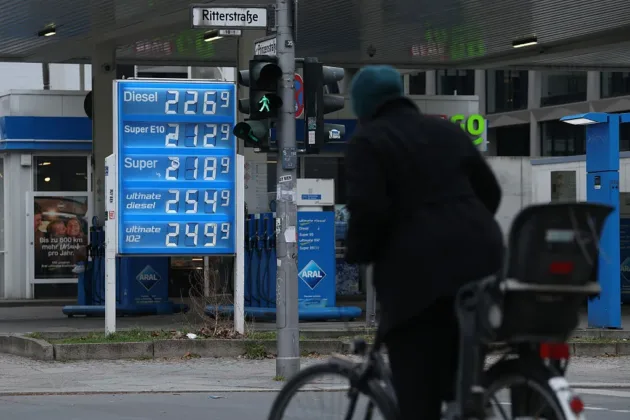
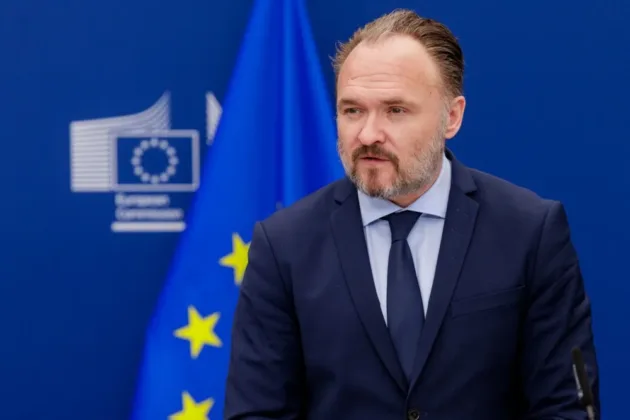
Average retail diesel across the EU reached a record €2.23 a litre in the Commission’s most recent weekly oil bulletin. Energy and Housing Commissioner Dan Jørgensen asked ministers to consider curbing gas and electricity use before an informal council in Dublin on September 28-29.
The Commission warned in May that the world faced what could be the most severe energy crisis in history. It has since estimated that the Hormuz closure added some €13 billion to the bloc’s fossil fuel import bill at the height of the disruption.