











Andorran business and trade union organisations have joined the body steering the principality’s bid for an association agreement with the European Union, in a move the government said would broaden the debate around the deal.
Representatives of the Andorran Trade Union (USdA), the Andorran Business Confederation (CEA), the Chamber of Commerce, Family Business Andorra and the Council of Professional Associations took up observer seats on the so-called State Pact on June 3, the Andorran Government has said in a statement.
The expansion followed a request from the extra-parliamentary party Socialdemocràcia i Progrés (SDP) and came after the negotiations with Brussels had concluded.
The government said the process had reached a stage at which closer coordination between political, economic, professional and social actors was advisable. The aim, it added, was mainly to keep the public informed and to track the work under way to ready the country for a possible deal.
Andorra, a microstate of about 80,000 people in the Pyrenees between France and Spain, is not an EU member but has sought closer ties through an association agreement that would give residents access to the bloc’s single market and free movement under Schengen rules.
Head of Government Xavier Espot welcomed the new members, saying their involvement would widen the basis for the work and bring the views of the country’s economic and social fabric more directly into the process.
He stressed the value of letting those groups put their concerns, needs and proposals on the agreement to the wider debate.
Gerard Cadena, president of the CEA and spokesman for the new entrants, said he viewed the inclusion positively. He recalled that business organisations had spent more than a year working to defend a shared position.
Cadena said he had also seen a gradual shift among Andorran businesses towards a more favourable view of the agreement, which he attributed to the explanatory and monitoring work being carried out.
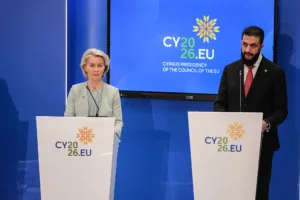
The agreement has still to be signed. It requires approval by the Council of the European Union, consent from the European Parliament and, in Andorra, a public referendum followed by ratification in the General Council, according to the government’s roadmap. EU approval to sign is expected to be sought during Cyprus’s presidency of the bloc, which ends on June 30.
The text has proved divisive at home, with opposition groups pressing for a binding referendum before any signature.