











Iván Cepeda has conceded defeat in Colombia’s presidential election, accepting the victory of right-wing outsider Abelardo de la Espriella while alleging foreign interference by US President Donald Trump.
The candidate of the governing Historic Pact made the announcement on June 24 in an address broadcast on his social media accounts. It came days after he had refused to recognise preliminary results and demanded the full, legally binding count.
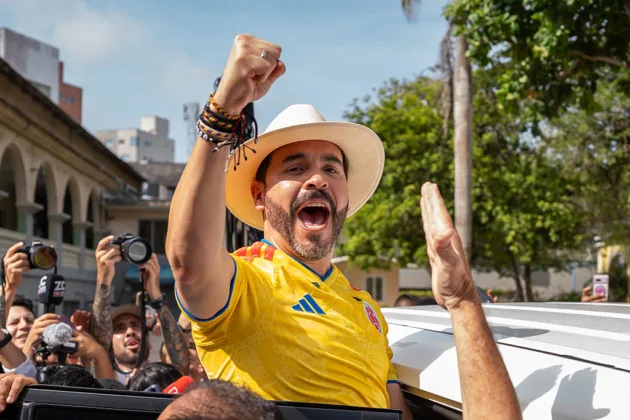
De la Espriella, a lawyer and political newcomer endorsed by Trump, won the June 21 run-off with 49.7 per cent of the vote against Cepeda’s 48.7 per cent. The gap of less than 1 per cent amounted to about 251,000 votes.
Cepeda said he had decided to accept the result “which indicates that Abelardo de la Espriella is the new president of the Republic”. He framed the move as an act of democratic responsibility and pledged a democratic, vigilant and constructive opposition.
The defeated candidate said his concession did not mean staying silent on what he called grave events during the campaign. He accused the United States, and Trump in particular, of open and undue foreign interference, and alleged his rival’s campaign had run a mass vote-buying operation and used artificial intelligence to manipulate voters.
Cepeda did not present evidence for the claims. Electoral authorities have defended the count, with the National Registry saying the preliminary tally matched the formal scrutiny to 99.997 per cent.
Trump endorsed De la Espriella this month and congratulated him after the vote, posting that it had been his honour to back the candidate he called “El Tigre”. Outgoing President Gustavo Petro went further than Cepeda, claiming on social media that Trump’s direct intervention had nullified the election.
De la Espriella, 47, holds dual Colombian and US citizenship and had never held elected office, qualifying for the ballot through citizen signatures rather than a major party. He campaigned on a hardline security agenda, pledging mega-prisons modelled on those of El Salvador’s President Nayib Bukele and a tougher line against drug-trafficking groups.
The result added Colombia to a growing list of countries turning to the political right and to outsider candidates. De la Espriella would take office on August 7 for a four-year term, succeeding Petro, who was constitutionally barred from seeking re-election.
Cepeda, who is expected to take a Senate seat reserved for the runner-up, said he would lead the opposition from Congress.