








Interior ministers from the European Union and the Schengen associated countries have agreed to reinforce the bloc’s external borders, speed up returns and build early-warning systems after the mass crossing into Ceuta, the Spanish enclave in north Africa.
Their videoconference on August 4 was chaired by Ireland, which holds the presidency of the Council of the European Union. It closed several days of open recrimination between Madrid and its partners.
Ministers commended the Spanish authorities for their response and offered condolences for those who died attempting the crossing. Jim O’Callaghan, Irish minister for justice, home affairs and migration, said: “The EU is united and stands ready to support Spain.”
The Spanish delegation, the European Commission and the European External Action Service briefed the meeting on events at the border. Their assessment was that the very large majority of those who entered illegally had been returned and that there had been no onward movement to mainland Spain or to other member states.
According to the Council statement, ministers found common ground on fighting migrant smuggling networks, reinforcing returns, strengthening EU borders and building deeper partnerships with countries of origin and transit.
They also called for better shared situational awareness through early-warning systems such as pre-frontier intelligence and the monitoring of social media. Communication during crises should be more coherent, the meeting concluded, in order to counter external actors engaged in information manipulation.
The talks followed a letter from 22 of the 27 member states criticising Spanish migration policy and demanding urgent coordination at European level. Italy suspended Schengen arrangements with Spain for August and France reimposed checks at its Spanish border.
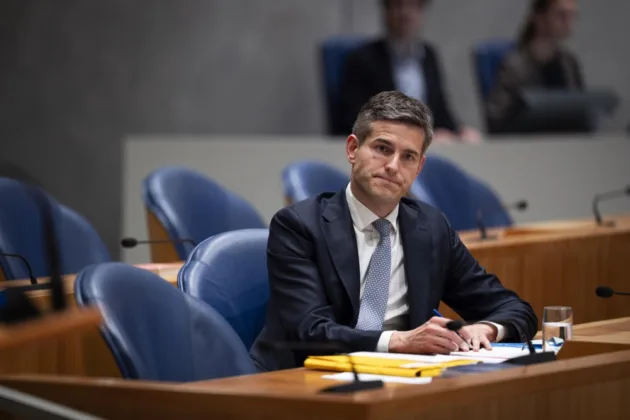
Denmark and Italy used the meeting to press for tougher measures. Danish immigration minister Morten Bodskov said: “We will not accept a repeat of the situation in 2015.”
Italian Interior Minister Matteo Piantedosi argued for external processing of asylum claims and returns in safe third countries.
Spanish Prime Minister Pedro Sánchez had himself requested the emergency session after his Government came under sustained attack from other capitals. Sánchez’s critics have linked the surge to a decree approved in April granting one-year renewable residence permits to undocumented migrants already in Spain, a claim Madrid rejects.
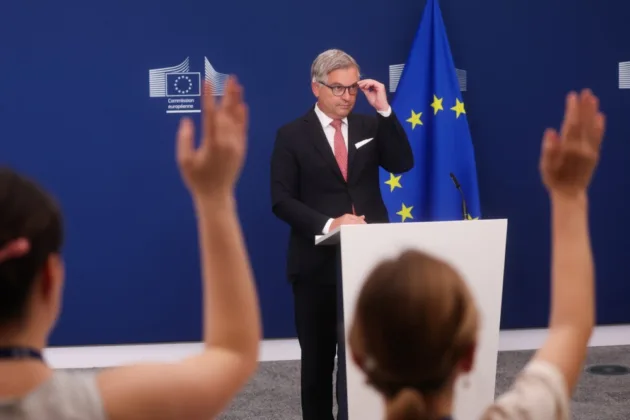
Migration Commissioner Magnus Brunner told reporters the influx had been driven by criminal smuggling networks and by disinformation circulating on social media.
Ministers said the meeting would feed into the next Justice and Home Affairs Council on October 1-2 and into a discussion by EU leaders at the European Council later that month.