


European Union leaders have stopped short of concrete action against China at a summit in Brussels, instead asking the European Commission to explore tougher trade defences as the bloc’s deficit with Beijing nears €1 billion a day.
Meeting on June 18, the 27 heads of state and government addressed what their agenda termed “global macroeconomic imbalances”, a phrase widely understood to refer to China and its industrial overcapacity.
The leaders agreed the Union needed to do more to protect its industries, though they avoided naming Beijing formally and set no firm measures. They asked the Commission, the EU executive led by President Ursula von der Leyen, to develop and where necessary expand its trade defence and industrial policy toolbox.
They also called for dialogue with the EU’s main economic partners that should deliver concrete results, language reflecting the cautious approach favoured by several capitals.
The summit exposed a familiar divide. France, Italy and the Netherlands have pressed for swifter and more forceful mechanisms than the EU’s existing tariff and anti-coercion tools, while Germany and Spain have urged restraint to avoid a trade war.
That split surfaced last month when France, Italy, the Netherlands and Lithuania circulated a joint paper calling for stronger action. Spain had been listed as a signatory before publicly distancing itself.
Arriving at the summit, Spanish Prime Minister Pedro Sánchez defended engagement with Beijing. “We need friends, we need balanced relationships,” he said, adding that Europe should build bridges with major economies such as China and with traditional allies such as the United States.
The figures behind the debate are stark. China’s goods surplus with the EU reached around €360 billion in 2025, up 15 per cent on the previous year, with the gap widening further in early 2026 as Chinese exports to the bloc rose.
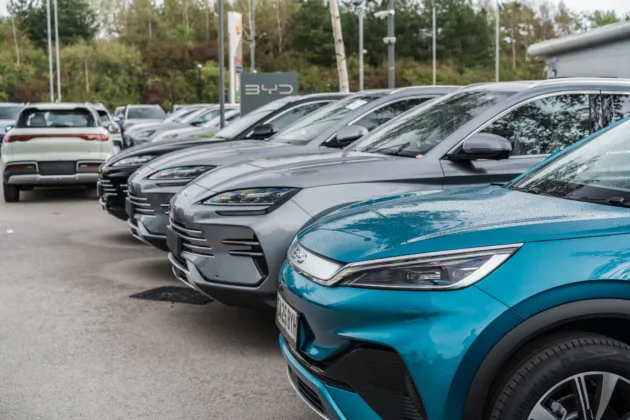
The Commission had already declared the relationship “not sustainable” in late May. Of 21 ongoing anti-dumping and anti-subsidy investigations, 18 target Chinese producers, and duties imposed on Chinese electric vehicles since 2024 have drawn retaliation against EU dairy and brandy.
Belgian Prime Minister Bart De Wever said it was premature to predict the bloc’s response before the Commission tabled proposals, though he insisted the matter should be treated with urgency.