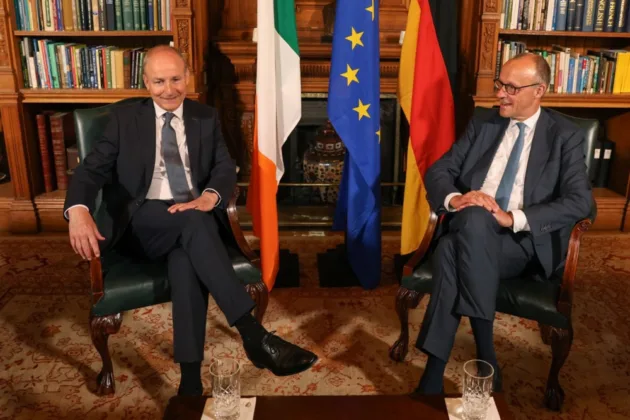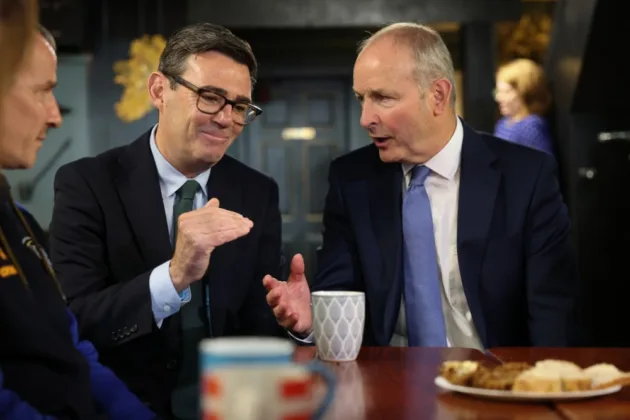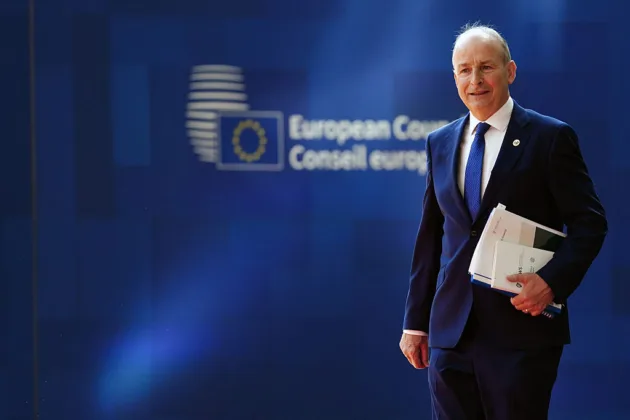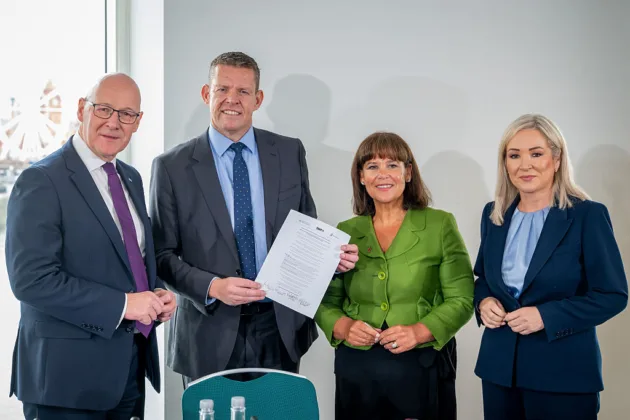





Ireland has set out the priorities for its presidency of the Council of the European Union, a six-month term it takes over on July 1 at a testing moment for the bloc. Presiding over the Council, though, is not the same as governing it.
The real weight lies with two powers that are not Irish: The regulatory machinery of Brussels and the technology capital of Washington. Between them they shape what matters, leaving Dublin to broker the bargains of others.
The programme that Taoiseach (Prime Minister) Micheál Martin presented on June 10 at Dublin Castle is built around three pillars of competitiveness, values and security, aligned with the European Union’s strategic agenda agreed by leaders in late 2024.
The most thankless file will be the multiannual financial framework, the Union’s budget for the next cycle. The European Commission has proposed a package of almost €2 trillion, equal to 1.26 per cent of average gross national income, a ceiling EU leaders began weighing at an informal summit in Cyprus without settling on figures.
The same proposal would channel cohesion and farm funds through a single national plan for each country, an approach already opposed by 14 member states. It would also triple the home affairs budget to €81 billion, much of it earmarked for border management and migration.
That Ireland, rather than the Commission that designed the split, must mediate between 27 capitals confers no power, only the task of administering someone else’s deal.
The move fits a trend of Brussels absorbing decisions that once belonged to member states. The Union has sought to manage housing, long a national competence, from above, and the common budget points the same way.
THE REGULATOR AGAINST ITS OWN EXCHEQUER
The second front is the most delicate, because it sets Ireland against itself. The country hosts the European headquarters of much of Big Tech, among them Google, Meta, Apple and Elon Musk’s X, drawn by a low-tax regime on which an outsized and fragile share of Irish revenue depends.
Those same firms are now Brussels’s target. The Commission has moved from writing digital law to enforcing it through the Digital Services Act (DSA) and the Digital Markets Act (DMA).
Much of that enforcement has fallen on Coimisiún na Meán, the country’s media regulator, which is fighting at least 12 lawsuits from technology companies, five of them brought by X. In May it opened investigations into Facebook and Instagram over the systems that rank what users see.
The offensive has crossed the Atlantic. The Republican-led House Judiciary Committee accused the regulator of leading a campaign to censor American platforms, a charge Brussels has rejected. Commission President Ursula von der Leyen has defended the DSA as law that will be enforced.
Dublin had already stretched its digital reach across the Union in 2024, when the same regulator adopted a binding online safety code for platforms based on the island. The discomfort is plain: Defending the architecture that disciplines the sector funding its exchequer.
A TARIFF AS A REMINDER
Washington, meanwhile, has turned Europe’s digital policy into trade ammunition. President Donald Trump has set July 4 as the deadline to begin implementing a deal that caps most EU tariffs at 15 per cent, and on June 26 he threatened a 100 per cent tariff on any country that taxes American tech firms, even as the Commission insists its digital rulebook is not up for negotiation.
The standoff is familiar to Madrid. Spain’s “Google tax” drew a US trade investigation and the threat of tariffs that were ultimately suspended. The firms Madrid sought to tax were domiciled, as it happened, in Ireland.
Irish ministers have measured their ambitions to fit their margin. Minister of State for European Affairs Thomas Byrne has cast the term as that of an “honest broker”, and Dublin has set aside around €185 million for a presidency that includes 22 informal ministerial meetings and a leaders’ summit in November.
It has spent some €19 million on counter-drone defences after a wave of drones shut Copenhagen airport before a European summit in 2025. Logistics, ceremony and prevention, but not the power to decide.
THE EUROPE THAT DOES NOT ASK
Irish support for EU membership has fallen from the 93 per cent recorded in 2019, at the height of the Brexit talks, to 82 per cent today, still among the highest in the bloc, according to European Movement Ireland’s annual poll. Satisfaction with the Union’s direction has dropped from 58 per cent in 2023 to 45 per cent.
Among those who think the Union is heading the wrong way, the reason cited most often is not economic or regulatory but immigration, named by 31 per cent, ahead even of the loss of national sovereignty.
There lies the paradox of the term. The agenda Dublin will administer, from a budget that triples border and migration spending to a Union redrawing its shape and limits without asking its peoples, runs against much of what those peoples say at the ballot box.
Ireland will hold the Council’s gavel for six months. The wheel, as ever, stays in other hands.