






Iran has attacked an oil tanker in the Strait of Hormuz, forcing its crew to abandon ship, as the US pressed a 10th consecutive night of strikes against the Islamic Republic.
The United Kingdom Maritime Trade Operations agency said it had received reports of a vessel struck by an unknown projectile off the coast of Oman on July 21. “The crew have abandoned the vessel and are currently embarked in a lifeboat,” it said.
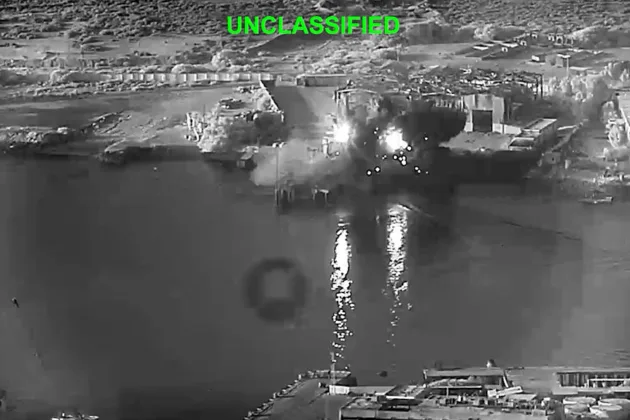
Iran’s Islamic Revolutionary Guard Corps (IRGC) said it had stopped “two non-compliant oil tankers” trying to pass through what it called an unsafe southern route through the strait. Explosions had set the vessels ablaze, it added.
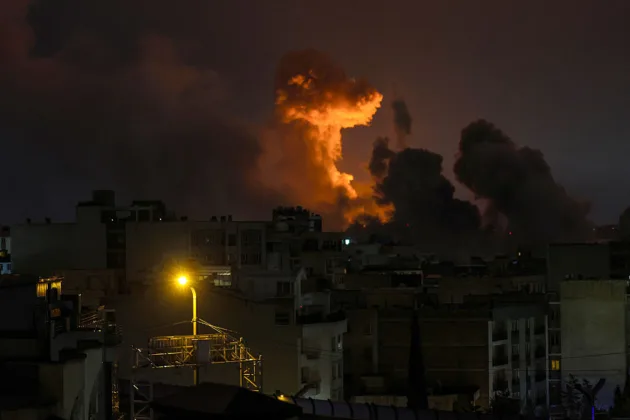
US Central Command said its forces had struck Iranian command centres, missile and drone launch sites, maritime assets and air defence systems overnight. It described the operation as an effort to degrade Tehran’s ability to attack commercial shipping in the waterway.
The Guard Corps said it had retaliated against US military positions in Bahrain and Kuwait. It claimed to have hit air defence systems and radar installations at bases used by American forces.
The confrontation escalated after a fragile ceasefire between Washington and Tehran collapsed in July, weeks after the two sides agreed to halt fire during talks in Doha. The war began on February 28, 2026, when the United States and Israel launched strikes on Iran and killed its supreme leader, Ali Khamenei.
The two governments have remained at odds over control of the strait, which Tehran declared closed in response to the initial attacks. Washington argues the passage is an international waterway, while Iran insists ships seek permission and follow approved routes.
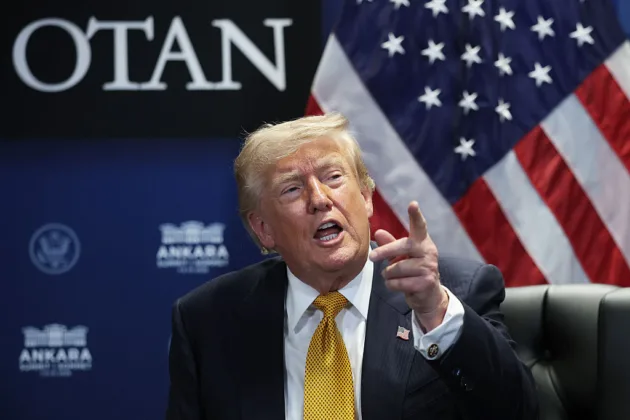
The European Union has declined to extend its Aspides naval mission into the strait, with foreign policy chief Kaja Kallas saying there was “no appetite” among member states to join the fighting. US President Donald Trump has pressed European allies to help secure the route, warning that NATO faced a difficult future if they did not.
Britain and France have said they would launch their own mission to protect freedom of navigation when conditions allowed. About 20 per cent of the world’s oil and gas normally passes through the strait, one of the most important choke points in global energy trade.