







At least 20 fighters have been killed and 32 wounded in joint United States and Saudi air strikes on Iran-backed militias across Iraq in the early hours of July 29, the Popular Mobilisation Forces (PMF) said.
The umbrella group, which brings together mostly Shia factions, said the toll was preliminary and could rise as inspection teams assessed the damage.
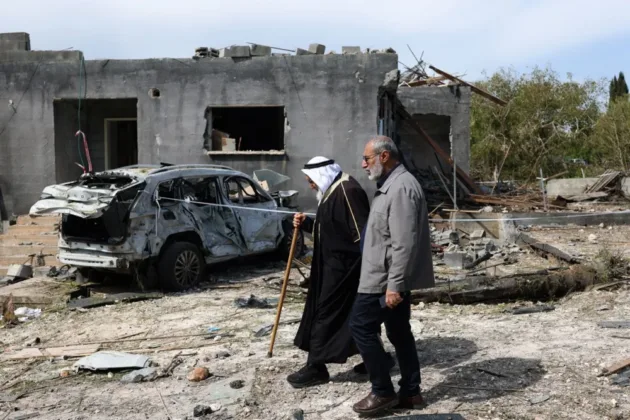
The strikes hit PMF positions in the provinces of Baghdad, Wasit, Nineveh, Basra, Kirkuk, Karbala and Diyala, damaging buildings, vehicles and military equipment, the group said. It called the operation a “dangerous escalation” and a violation of Iraqi sovereignty.
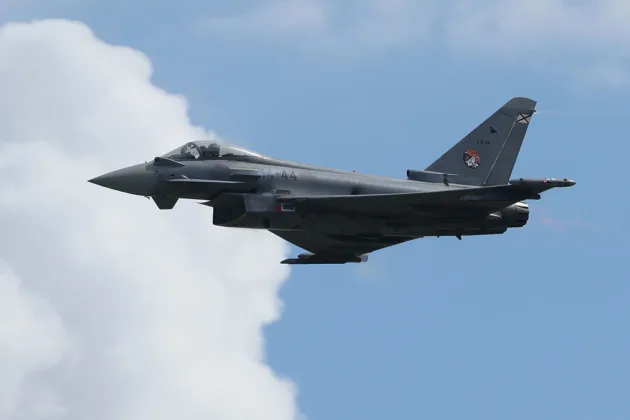
US Central Command (CENTCOM) said American and Saudi aircraft had struck “terrorist logistics and weapons sites across eastern Iraq”. It said the raids answered more than 30 drone attacks on US forces and Saudi energy sites over the previous 72 hours, directed by Iran’s Islamic Revolutionary Guard Corps.
The Saudi defence ministry said it had “conducted precise and targeted strikes”, invoking the right to self-defence under Article 51 of the United Nations Charter. It said drones launched from Iraq had targeted petroleum facilities in Riyadh and the Eastern Province.
It was the first time Riyadh had claimed responsibility for military action inside Iraq since the war began on February 28.
Prime Minister Ali Falih al-Zaidi called an emergency session of the Ministerial Council for National Security. The Islamic Resistance in Iraq, a grouping of Iran-aligned factions, denied attacking Saudi Arabia and dismissed the accusations as “fabrications”.
Energy markets reacted immediately. Brent crude rose by close to 4 per cent, reversing part of a slide driven by talks on a lasting reopening of the Strait of Hormuz, which normally carries about a fifth of the world’s seaborne oil and whose closure this year pushed European energy and fertiliser prices higher.
Under Iraqi law the PMF forms part of the country’s security forces and answers to the prime minister as commander-in-chief, though it operates as a separate branch with its own structure and budget. Several factions have begun surrendering weapons to the State under pressure from Baghdad and foreign governments.
Muqtada al-Sadr, the Shia cleric who placed his Saraya al-Salam militia under State control on May 27, urged the Revolutionary Guard and allied groups to stop launching attacks from Iraqi soil. Rogue militias “must not give our brothers in the Gulf states a pretext”, he wrote on X.
He said Iraq needed peace and could not afford a war, calling on the Iraqi Government to act against sectarian violence.