







The Coalition of the Willing has met in Kyiv on August 24, Ukraine’s Independence Day, with air defence at the top of the agenda.
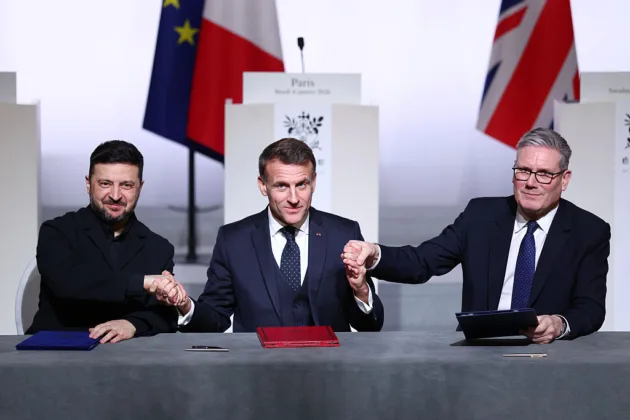
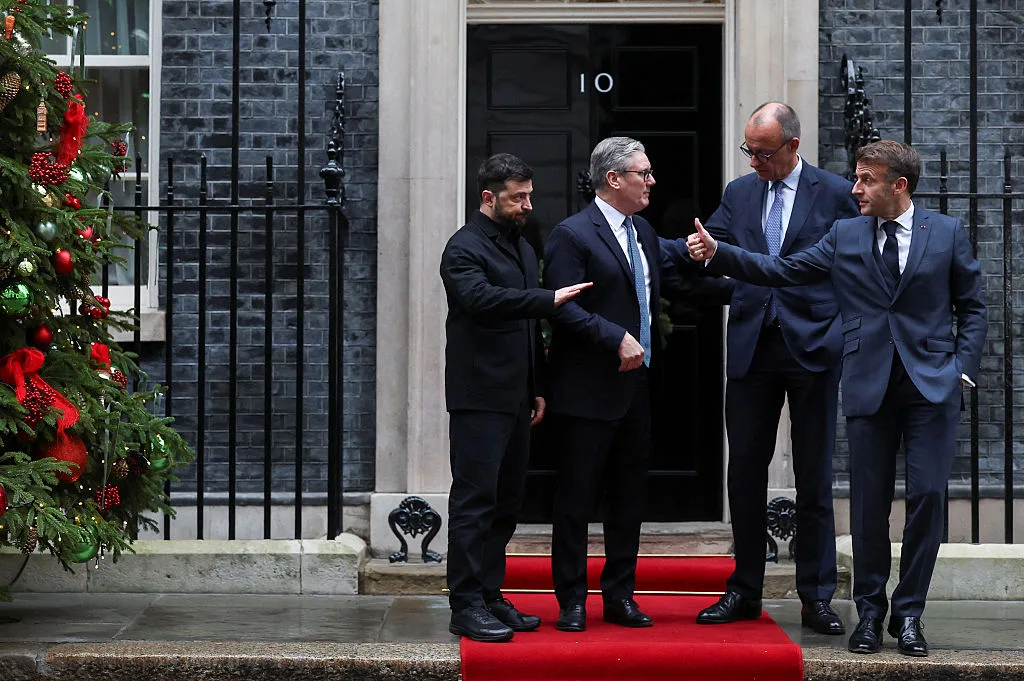
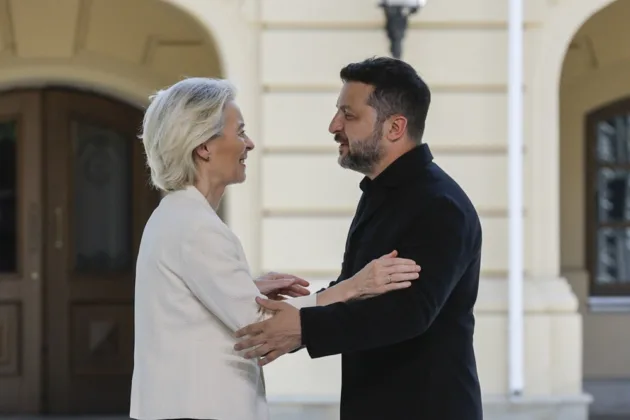
UK Prime Minister Andy Burnham, French President Emmanuel Macron and German Chancellor Friedrich Merz co-chaired the talks. European Council President António Costa attended in person and NATO deputy secretary general Radmila Šekerinska joined remotely, with other leaders dialling in.
The Élysée said the leaders would restate their support for Kyiv and press on with work on security guarantees. They would also weigh coordinated measures against the shadow fleet of tankers Russia uses to move sanctioned oil.
France and the United Kingdom set up the grouping in March 2025 to prepare those guarantees for a post-ceasefire Ukraine, and it now takes in around 35 countries. No US representative was identified among the participants.
Ukrainian President Volodymyr Zelensky used the run-up to push the European Parliament to adopt the legislation that would release €30 billion in EU funding. He said the money was tied to that vote and was needed for the defence of the whole country.
Zelensky also released usually classified figures on air-defence supplies. Ukraine received 675 American Patriot interceptors in 2023 and 364 in 2025, he said, with 264 projected for 2026 against a request of at least 300 for the winter.
Washington has been managing its own deficit since it launched its war on Iran and has resisted releasing large volumes to Kyiv. It awarded Raytheon a $22.9 billion (€19.8 billion) contract on August 17 to lift cruise missile output, part of a wider push to rebuild stocks drained by that conflict.
Burnham made the visit his first trip abroad since taking office. “Russia should be in no doubt of our resolve,” he said in a statement issued before arriving.
His office said the British Government had cleared missile maker MBDA to release classified information on UK components of the SCALP, the French version of the Storm Shadow. France and Ukraine intend to open assembly lines for the weapon in Ukraine.
Macron pledged fresh interceptor missiles on August 22 in a post on X. Nordic and Baltic leaders had gathered in Kyiv the previous day, with air defence and winter energy supplies on the agenda.
Talks on ending the war remain frozen, with Moscow holding to territorial and political demands Kyiv has rejected. Zelensky put Russian output at around 100 ballistic missiles a month, an arithmetic Europe still cannot answer without an American production line.