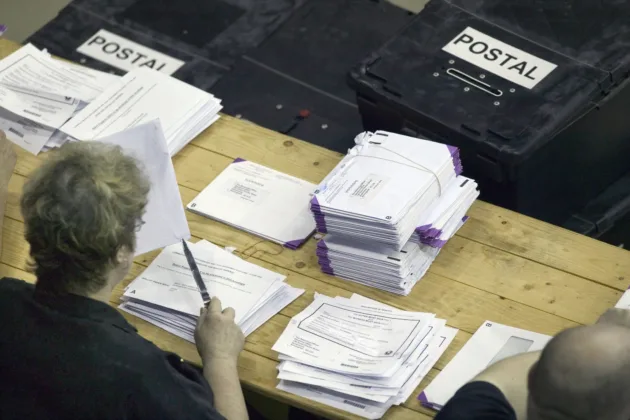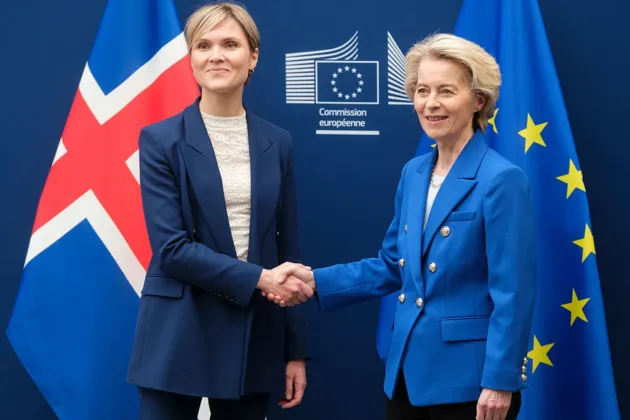


Iceland’s referendum on reopening European Union accession talks has divided voters evenly, with a Gallup poll published in August putting both camps on 46 per cent and eight per cent undecided ahead of polling on August 29.
The ballot is advisory and does not decide membership itself. Icelanders began casting early ballots on July 27 and any accession treaty would be put to a second referendum.
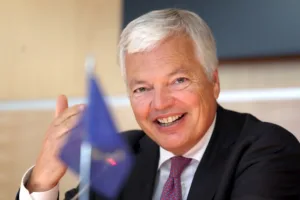
European Commissioner for Enlargement Marta Kos has said a vote to restart talks would add to momentum for the bloc to admit new members. She told Reuters the referendum spoke to the “growing attractiveness of the EU in a world that is rapidly changing”.
Kos said she would expect negotiations to take one to two years, with any membership then resting on a second Icelandic referendum and ratification by the 27 member states.
EU diplomats told the same agency that reopening talks with a wealthy country that is easy to integrate could improve how enlargement is sold to voters wary of new members. A positive result would make it easier for sceptical countries “to swallow the accession of Montenegro”, a senior EU diplomat said.
Iceland has a population of around 400,000. Montenegro, which hopes to join in 2028, is also small but far poorer per head.
Iceland applied for membership in 2009 after its banking sector collapsed and opened talks the following year. A centre-right government suspended the process in 2013 and Reykjavík told Brussels in 2015 it no longer wished to be treated as a candidate.
The country remains tied to the EU through the European Economic Area, the Schengen free-travel zone and the European Free Trade Association. It is a NATO member with no standing army and relies on a bilateral defence agreement with the United States.
Fishing is expected to be the hardest part of any renewed negotiation. Successive governments have resisted arrangements that would place Icelandic waters under the Common Fisheries Policy, which sets quotas and access at EU level.
Kos has said the bloc would look for solutions respecting Icelandic sensitivities on fisheries and agriculture, while insisting Brussels is staying out of the domestic campaign.
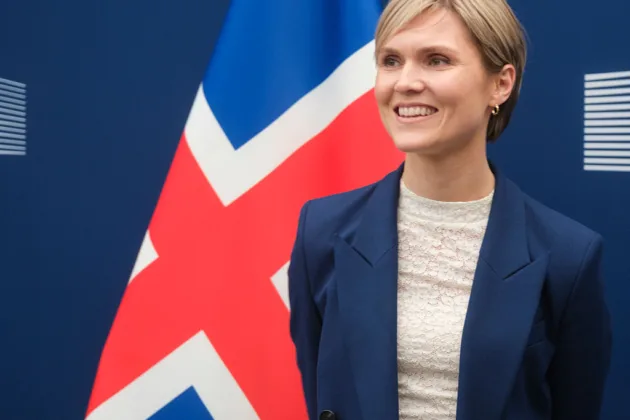
Foreign minister Þorgerður Katrín Gunnarsdóttir has said NATO and the defence agreement with Washington would remain the basis of Icelandic security whatever the outcome. Surveys have continued to show a majority against joining the bloc itself.