



Nigel Farage and Marine Le Pen have welcomed Iceland’s rejection of a return to European Union membership talks, presenting the August 29 referendum result as a defence of national sovereignty against further integration.
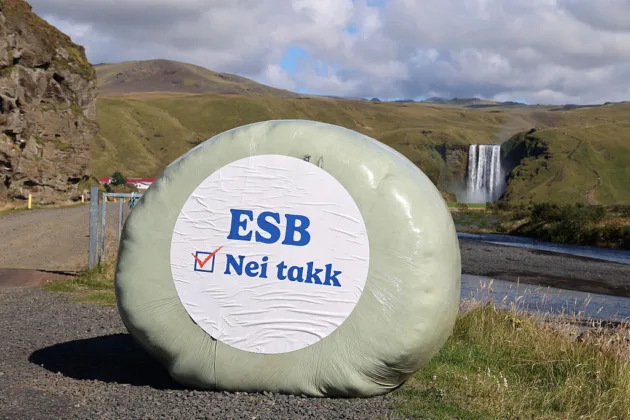
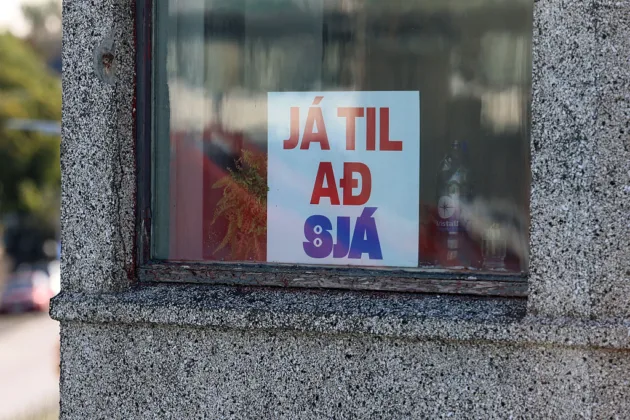
Icelanders voted 52.8 per cent to 47.2 per cent against reopening negotiations frozen since 2013, on a turnout of 82.5 per cent. Only the two Reykjavík constituencies backed a resumption of talks.
Farage, leader of Britain’s right-wing Reform UK and a leading Brexit campaigner, wrote on X: “Congratulations to Iceland on voting to keep their independence.”
Le Pen, who leads the right-wing National Rally (RN) group in the French National Assembly, wrote on the same platform that the Icelandic people had reminded Europe of what she called an obvious truth. EU membership, she said, was not the natural destination of every European democracy.
She said peoples must be able to decide their own future, institutions and ability to defend national interests. As some pushed for more federalism and transfers of sovereignty to the European Commission, she added, Iceland had shown a Europe of free and sovereign nations cooperating voluntarily was possible.
In the European Parliament, the European Conservatives and Reformists (ECR) group said the vote should give Brussels pause given the uncertain international security climate. Co-chairman Nicola Procaccini said the bloc had to ask why “a prosperous, democratic and outward-looking European country” had turned down talks.
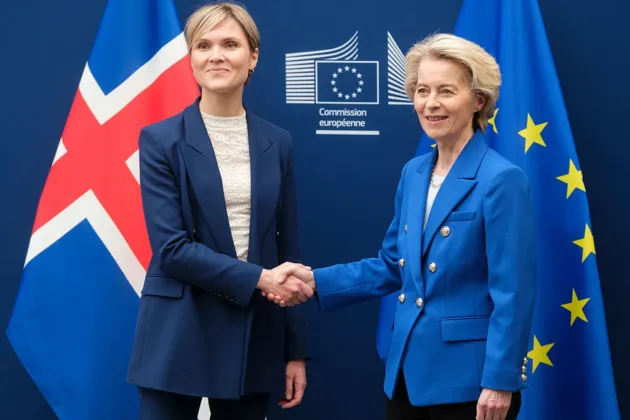
Brussels had hoped a Yes vote would revive its stalled enlargement drive. European Commissioner for Enlargement Marta Kos said before the ballot that the referendum reflected the growing attractiveness of the EU and that talks could be wrapped up within one to two years.
EU diplomats told Reuters that admitting a wealthy country would make Montenegro’s planned 2028 accession easier to sell to sceptical capitals. One told the agency after the count that the outcome was a clear setback for Brussels, with fishing and independence proving decisive.
Fishing dominated the Icelandic campaign, with opponents warning that membership would place national waters under the EU’s Common Fisheries Policy, which sets quotas and access at EU level. The sector accounts for around 40 per cent of Iceland’s goods exports.
Le Pen faces her own legal constraints in France. A Paris appeals court in July cut her ban on holding elected office to 45 months, 30 of them suspended, and she has said she intends to stand in the 2027 presidential election.