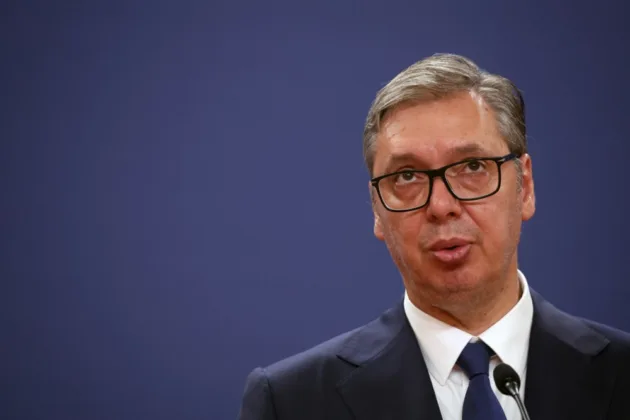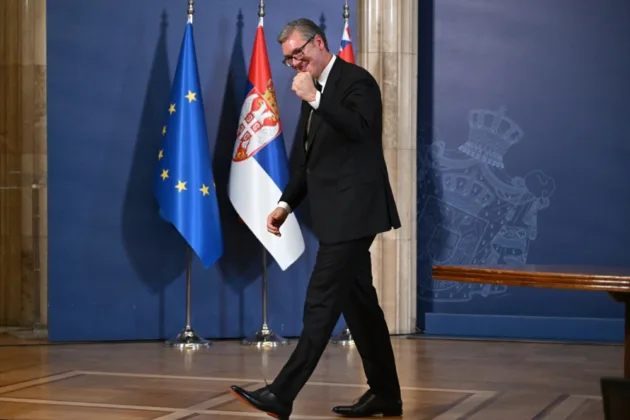



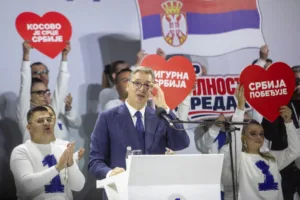

The European People’s Party (EPP) has moved to suspend the associate membership of Aleksandar Vučić’s Serbian Progressive Party (SNS), giving the outgoing ruling party one year to meet a series of democratic and foreign-policy conditions or face permanent expulsion.
At a meeting in Brussels on November 18, the EPP Presidency, chaired by German MEP Manfred Weber, agreed to formally propose the suspension following an internal review launched more than a year ago.
The proposal is due to be put to a vote at the EPP’s Political Assembly in Brussels on December 7-8.
A member of the EPP Presidency told Euronews an “overwhelming majority” of the party backed the move, making approval virtually certain.
Once confirmed, SNS, an associate member of the centre-right European political family since 2016, would lose all membership rights, including the right to vote.
The suspension follows mounting frustration within the EU’s largest political grouping over SNS’s foreign policy and domestic record.
According to an internal EPP document cited by BalkanWeb and Dnevnik, the party leadership is being told to cease political cooperation and public alignment with Russian President Vladimir Putin and other senior Russian officials.
A particular turning point for many EPP members was the September 7 funeral in Belgrade of convicted Bosnian Serb war criminal Ratko Mladić, which was held with military honours and attended by senior officials.
Mladić, sentenced to life imprisonment for genocide over the 1995 Srebrenica massacre, had died in United Nations detention in The Hague in late August.
Reports noted that the EPP is demanding SNS stop glorifying Mladić, end genocide denial and make a definitive break with “Greater Serbia” politics and the legacy of former Yugoslav president Slobodan Milošević.
The conditions set out for SNS to regain its status within 12 months included guaranteeing a peaceful transfer of power following the October 25 election, supporting an independent criminal investigation into the November 2024 Novi Sad railway station canopy collapse, which killed 16 people, and making concrete commitments to strengthen media freedom and cooperate with civil society organisations.
Although the EPP leadership had been weighing disciplinary action since launching its review in September 2025, officials reportedly delayed a final decision until after Serbia’s parliamentary elections on October 25.
The review was led by EPP secretary general Dolors Montserrat and vice-president Kostis Hatzidakis.
Unlike in previous campaigns, the EPP refrained from publicly endorsing SNS ahead of the vote.
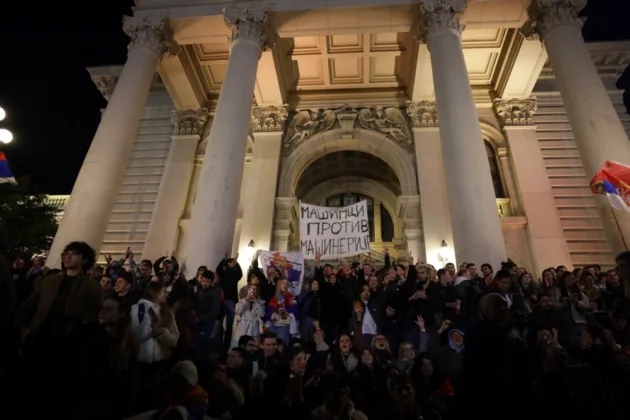
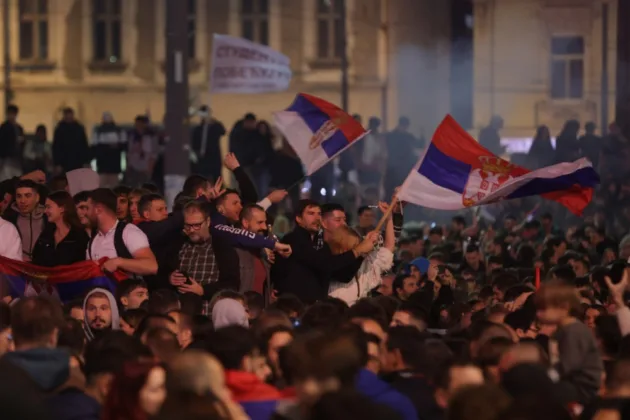
The election ended Vučić’s 14-year grip on power, with the opposition “Student List” movement, born out of the Novi Sad protests, securing 53 per cent of the vote and an absolute majority in parliament, with 140 of 250 seats.
Vučić had resigned as president in September to lead the SNS list.
SNS international secretary Ana Brnabić said on November 19 the party had received official notice of the proposal. “Suspension does not mean expulsion from the EPP,” she told reporters in the Serbian parliament.
Brnabić said she would attend the Political Assembly in Brussels and that SNS would decide how to respond at its own party assembly on December 13.
The move marks a sharp turnaround for Vučić, who shortly after the October election had suggested he might still travel to Brussels to attend a meeting of EPP leaders.
It also recalls the case of Hungary’s Fidesz, which the EPP suspended in 2019 and which left the party in 2021.
With the new Serbian National Assembly constituted on November 17 and SNS preparing to enter opposition for the first time in more than a decade, the party faces the prospect of simultaneous political isolation both at home and within its long-standing European alliance.
The EPP Political Assembly adopted a statement on Serbia, addressing the recent events surrounding the funeral of convicted war criminal Ratko Mladić in Belgrade. pic.twitter.com/mT5Wnu5m8A
— EPP (@EPP) September 29, 2026