


The United States has announced nearly $2 billion (€1.7 billion) in partnerships with faith-based and community organisations that deliver health and humanitarian assistance around the world.
The State Department said on August 6 the package was the largest allocation of global health foreign assistance to religious organisations in more than 20 years. It named World Vision, Compassion International and Samaritan’s Purse among the recipients.
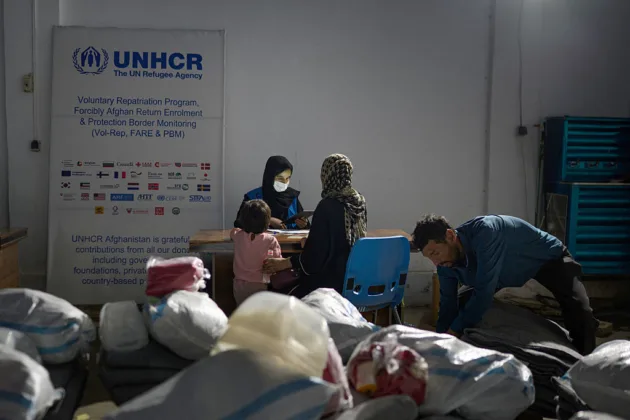
The bulk of the money, $1.4 billion (€1.2 billion), falls under what Washington calls the America First Global Health Strategy. It is intended to support hospitals, clinics and community hubs run by faith and community-based bodies in more than 20 countries.
A further $538 million (€466 million) has been earmarked for humanitarian response, shared between Samaritan’s Purse and a consortium led by World Vision and Compassion International. The department said it expected that sum to reach 7 million people across 16 crises.
Under the new awards at least 80 per cent of resources must go to frontline services. The department said previous awards had sent between 35 and 40 per cent to frontline work, with the remainder absorbed by overheads and management costs.
It added that faith-based providers accounted for 40 per cent or more of all health facilities in many countries receiving American assistance.
The scale of the commitment sits uneasily beside European figures. The European Commission opened the year with an initial humanitarian budget of €1.9 billion for 2026, meaning a single American award to three religious charities approaches the EU’s entire annual allocation.
Commissioner for Equality, Preparedness and Crisis Management Hadja Lahbib said in January that public funding alone would not meet the scale of the crisis and that the private sector would have to help close the gap.
European aid budgets have meanwhile been falling. Figures published by the Organisation for Economic Co-operation and Development in April showed EU development assistance down by 10 per cent, the largest annual drop since records began.
The announcement follows the dismantling of the United States Agency for International Development (USAID), which was broken up after Donald Trump returned to office in January 2025 and later absorbed into the State Department. Its closure drew criticism from aid organisations and human rights groups, which warned of gaps in provision.
Washington accused the agency of wasting money and funding programmes unrelated to urgent humanitarian need. Brussels was among those unsettled by the decision, given USAID’s funding of civil society and media inside the EU and in Ukraine.
In March the department set up a Bureau of Disaster and Humanitarian Response with about 200 staff and 12 regional hubs, one of them in Kyiv.