

Spain’s response to its second deadly high-speed rail crash this year has drawn comparisons with Greece, where the transport minister quit the day after the country’s worst rail disaster.
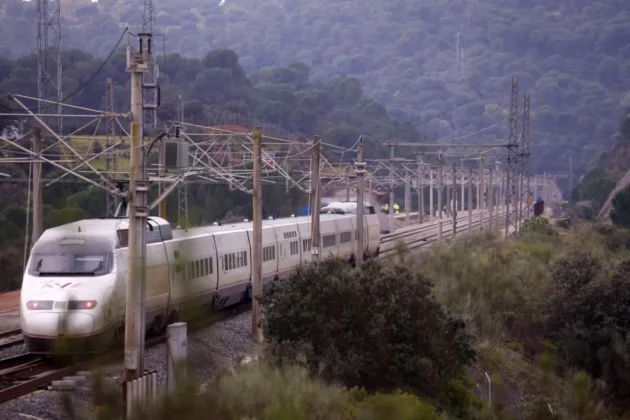
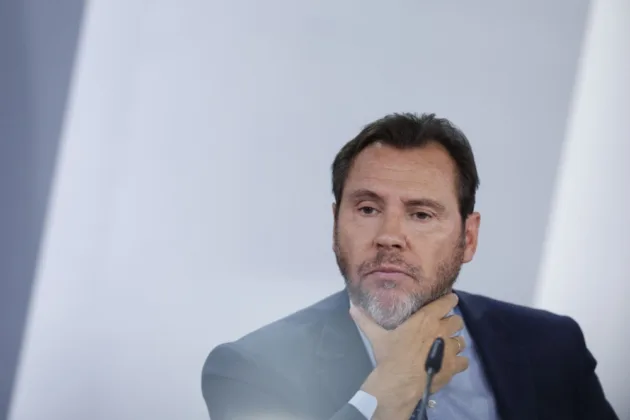
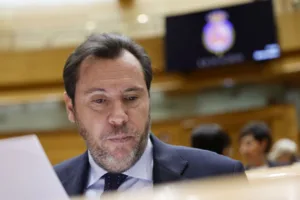
Transport Minister Óscar Puente ruled out resigning on October 28, hours after a Renfe AVE ran into the back of a stationary Iryo train near Urda, in Toledo province, central Spain.
Puente blamed a decision taken at the Adif control centre in Madrid, which he called inexplicable. He said the AVE had been cleared to resume normal running after the LZB automatic control system failed, despite a red signal ahead.
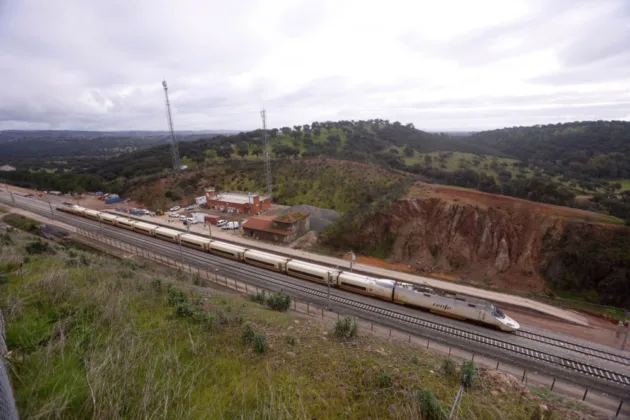
It was Spain’s second high-speed rail disaster on the Madrid-Andalusia line this year, after the derailment near Adamuz, in Córdoba province, on January 18 that killed 46 people.
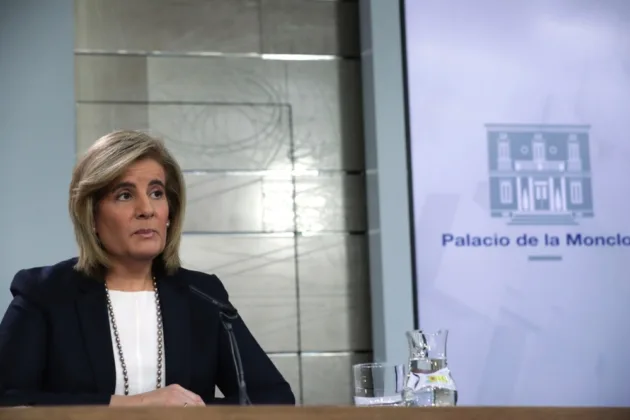
In Greece, then transport minister Kostas Karamanlis stepped down on March 1, 2023, after visiting the scene of the Tempi collision near Larissa. A passenger train and a freight train had met head-on on the same track the night before, killing 57 people, most of them students.
Karamanlis said at the time that resigning was the least he owed to the memory of the dead. He described his departure as taking responsibility for long-standing failings of the Greek state and its political system.
His exit did not close the matter. In July 2025 the Greek Parliament referred him to a judicial council on a single misdemeanour count of breach of duty, against the backdrop of cover-up allegations against the Greek Government that drew mass protests.
The trial of 36 rail and ministry officials opened in Larissa on March 23, 2026, though no politician is among the defendants. European Chief Prosecutor Laura Codruța Kövesi has said the crash could have been avoided had the signalling been modernised in time with European Union funds.
In Spain, the Central Sindical Independiente y de Funcionarios (CSIF) union demanded Puente’s resignation on October 28. It accused him of making an Adif employee a scapegoat instead of shouldering responsibility himself.
People’s Party (PP) leader Alberto Núñez Feijoo, speaking in Urda on October 29, said political responsibility could not wait for any investigation to finish. He accused Puente of frivolity for blaming an operator at Atocha, though he stopped short of calling for him to go.
Prime Minister Pedro Sánchez, whose Government faces a general election on November 29, said the causes would be investigated. He promised action if negligence was found.