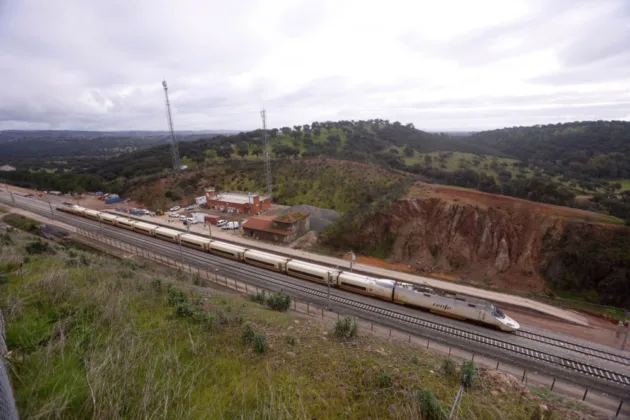










At least 68 people have been killed and 53 seriously injured, the Castilla-La Mancha regional government has said, after two high-speed trains collided near Urda, in central Spain’s province of Toledo, on the morning of October 28.
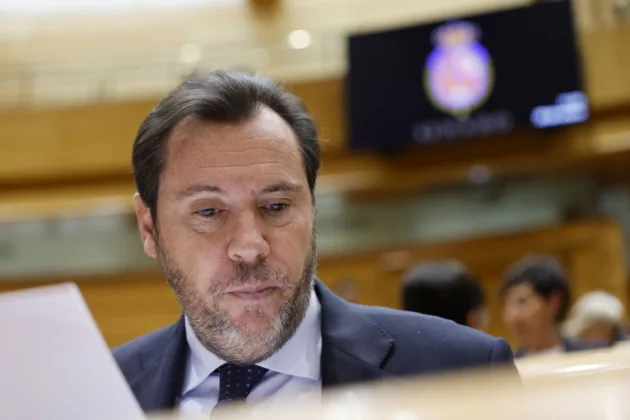
Transport Minister Óscar Puente, who put the toll at 64 when he spoke at Madrid’s Atocha station, called the crash inexplicable and ruled out resigning. The figure had climbed through the morning from an initial 10.
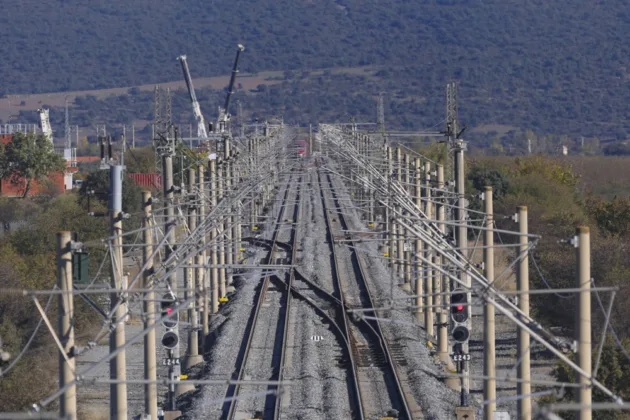
The signalling control at Urda failed and the line lost its LZB train protection system, automatically halting every train along a 63km section, he said. At 8.36am the Adif control centre authorised the AVE to resume despite signals prohibiting it, which he put down to human error by one person at the Atocha control centre.
The train ran 25km before striking the Iryo, which was stopped at the station. Ministry sources had earlier told Europa Press that the rules required trains to proceed at sight at no more than 40kph and that the AVE reached 200kph.
Adif had extended proceeding at sight after Adamuz, a practice rail sources quoted by El Español said put responsibility for accidents on drivers. Train drivers had called a strike for October 29.
Four carriages came off the track, two of them falling down an embankment, according to Guardia Civil sources. There were 544 people on the two trains, the regional government said.
A Guardia Civil forensic team was reconstructing the sequence, and Adif suspended high-speed traffic between Madrid and Andalusia. A formal investigation had yet to report.
The crash struck the same corridor as the Adamuz disaster of January 18, in which 46 people died after an Iryo train derailed in Córdoba province and was hit by a Renfe Alvia service. The CIAF, Spain’s accident investigation body, found a rail fracture had preceded it.
Puente had told the public on January 23, two days after his first news conference on Adamuz, that the probability of such an accident was extremely low, and urged calm.
Sources told El Debate that the LZB system in the Urda area had been giving trouble for several days. José Trigueros, president of Spain’s association of civil engineers, held Puente responsible, citing a lack of maintenance and control.
Prime Minister Pedro Sánchez, who said he was shocked by the crash, suspended his engagements, and Castilla-La Mancha President Emiliano García-Page travelled to the site. The conservative Partido Popular (PP) and other parties called off their campaign events.
Spain operates the largest high-speed network in the European Union. The European Union Agency for Railways said after Adamuz that it was monitoring the situation with the European Commission.