

Romania has filed its sixth and final payment request under the European Union’s Recovery and Resilience Facility (RRF), lodging the claim with the European Commission at about 9.45pm on September 30, the last day allowed under the programme.
Interim minister of investments and European projects Dragoș Pîslaru said the request was worth €6.04 billion before the deduction of pre-financing. The net sum sought is €4.35 billion, of which €2.58 billion is in grants and €1.77 billion in loans.
The filing came hours after parliament had again refused to confirm a new government. Siegfried Mureșan, an MEP for the National Liberal Party (PNL) and the third candidate nominated by President Nicușor Dan, won 182 votes, well short of the 233 required.
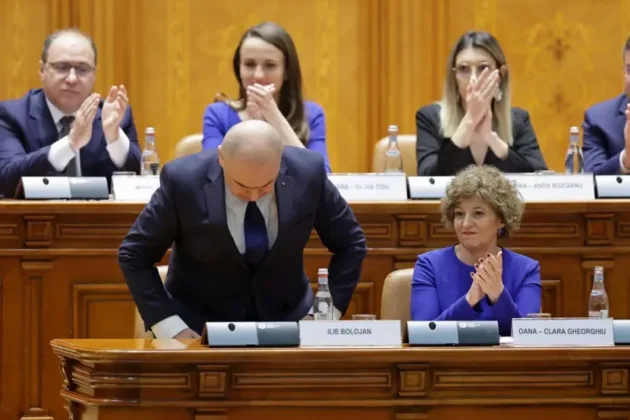
Romania has had no fully empowered executive since May 5, when Prime Minister Ilie Bolojan lost a censure motion and stayed on in a caretaker capacity. His government had been toppled by an alliance of Social Democrats and the sovereignist Right.
The Social Democratic Party (PSD), the largest group in parliament, attended the sitting to provide a quorum but withheld its votes. Party leader Sorin Grindeanu described the proposed cabinet as a recycled version of the one voters had already rejected.
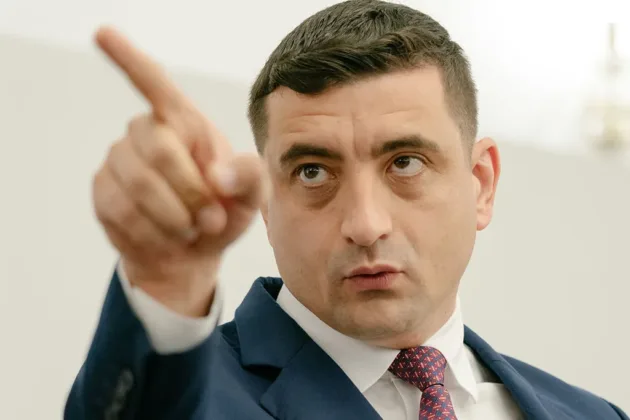
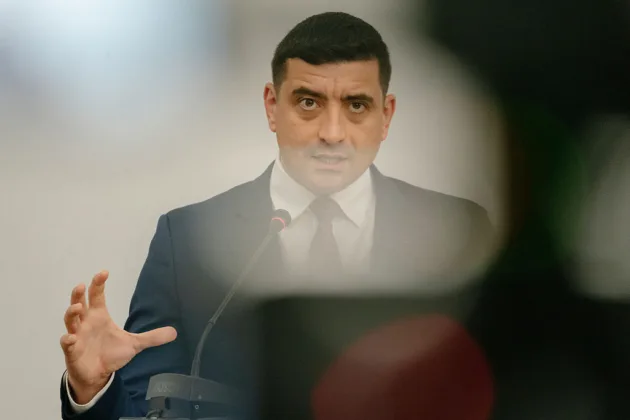
The right-wing Alliance for the Union of Romanians (AUR) stayed away altogether. Its leader, George Simion, said his party would support no government while Călin Georgescu remained behind bars.
Georgescu, who topped the first round of the 2024 presidential election later annulled by the Constitutional Court, was remanded in custody for 30 days on September 29 in a fraud case involving more than €1 million. He denies any wrongdoing.
The paralysis carries a price tag. Romania missed the August 31 deadline for a public-sector pay law, forfeiting roughly €770 million, though Pîslaru said part of that could still be recovered if parliament legislated by the end of October.
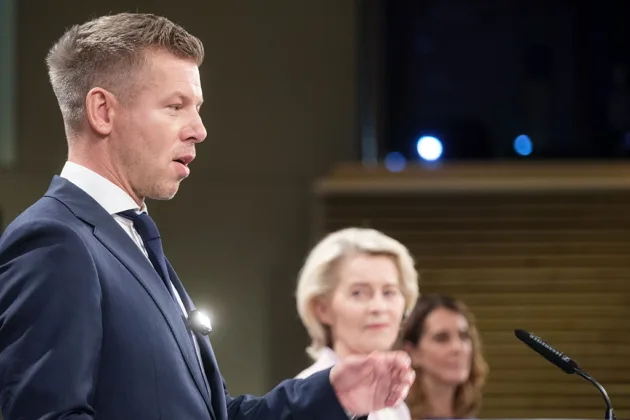
Budapest’s dealings with Brussels have run far more smoothly, with finance ministers approving a revised Hungarian recovery plan on July 10 that unblocked about €10 billion. The Hungarian Government of Péter Magyar, which replaced Viktor Orbán in April, said on August 31 that it had met every milestone after pushing more than 100 laws through parliament in a matter of weeks.
The Commission will now assess both submissions and must disburse whatever it approves by December 31, when the facility closes for good.
Dan is required to nominate a fourth prime minister designate. Two rejected cabinets also open the way, for the first time under the current constitution, to dissolving parliament and calling early elections.