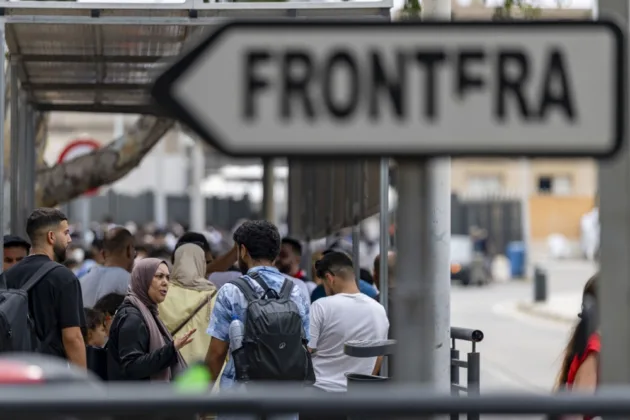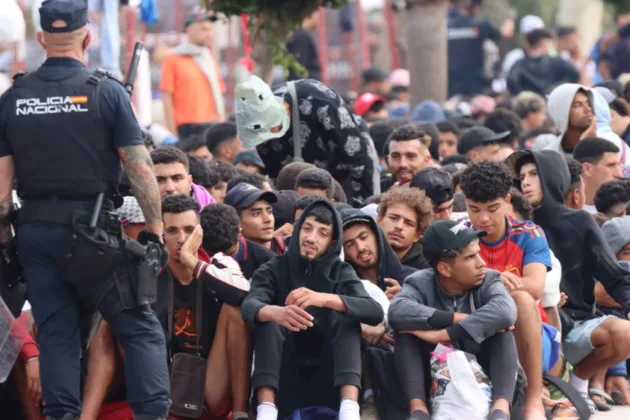



The Spanish Government has acknowledged that Moroccan warships entered Spanish waters off Ceuta without authorisation during the invasion of the city on July 30 and 31.
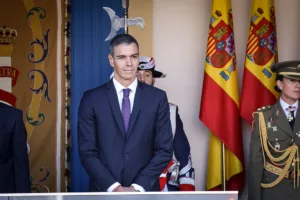
Prime Minister Pedro Sánchez confirmed the incursions on October 12 in an informal conversation with journalists at the Royal Palace reception for Spain’s national day. He described those days as very intense and very difficult, though he said contacts between the two countries’ armed forces had been fluid and nothing similar had happened since.
The episode was first reported that morning by the Spanish daily El País. According to sources cited by the newspaper, at least one frigate and several patrol boats of the Royal Moroccan Navy repeatedly entered Spanish sovereign waters without requesting permission, in what they described as a deliberate violation rather than an accidental transit.
The incursions continued into the first days of August and nearly caused a collision between the two navies. Spain sent the maritime action ship Rayo, which reached Ceuta on August 3, followed by the frigates Santa María and Navarra.
The Moroccan manoeuvres stopped only after the naval deployment and high-level contacts by the Defence Ministry, the sources said. Sánchez did not explain why the ships had entered or whether their movements were linked to the mass crossings.
The admission sits uneasily with his account to the Congress of Deputies on September 3. He told deputies then that nobody had given the government proof that the Moroccan authorities designed or carried out the mass entry, and promised to publish every report on the crisis.
On September 8 the cabinet approved the declassification of 40 intelligence reports on the crisis. According to the Spanish news site El Español, none of them referred to the naval incursions.
Sources at the Armed Forces Intelligence Centre (CIFAS) and the Department of National Security (DSN) told El Español that the omission was deliberate. An official at the Defence Staff said the Moroccan ships had been sailing under orders.
Madrid mayor José Luis Martínez-Almeida, of the opposition Popular Party (PP), said the presence of the warships was more serious than the entry of 80,000 people. He questioned whether anyone believed either could have happened without the knowledge and consent of the Moroccan authorities.
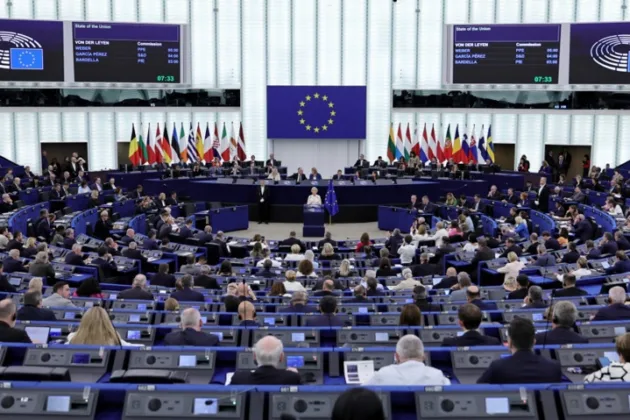
In September the European Parliament adopted a resolution holding Morocco responsible for the invasion and describing it as hybrid warfare against a member state at the European Union’s only land border with Africa. The European Commission has continued to call Rabat a strategic partner on migration.
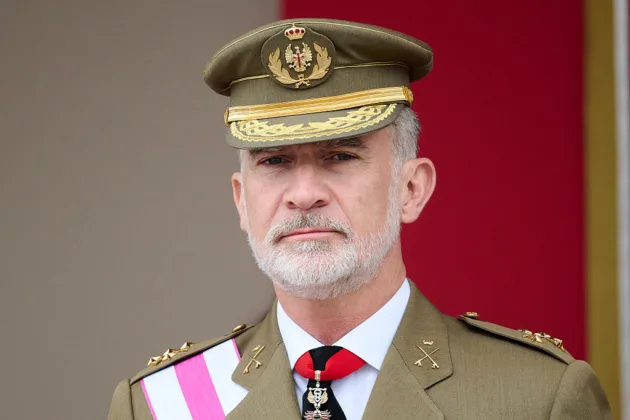
The disclosure came on the eve of the first visit by King Felipe VI and Queen Letizia to Ceuta and Melilla, on October 13 and 14. Spain holds a general election on November 29.