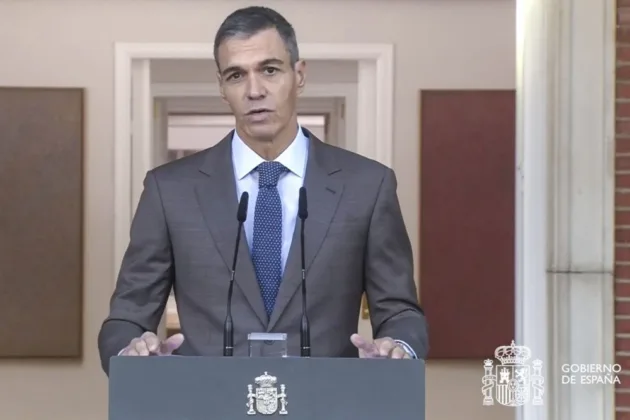






Spanish Prime Minister Pedro Sánchez has called a general election for November 29, nine months early and three years after the last budget he managed to pass.
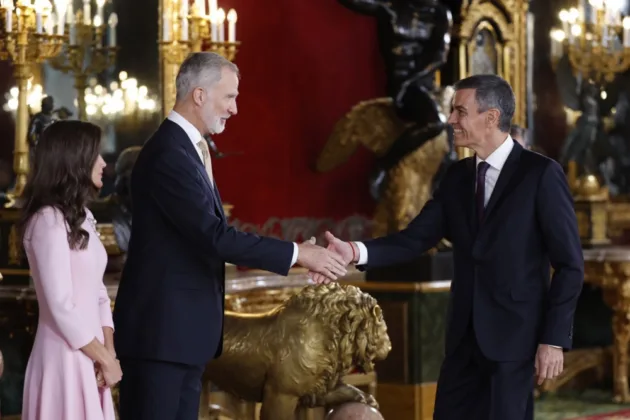
He announced the decision in an institutional statement at the Moncloa palace on October 5, after informing King Felipe VI, who left the same day for a state visit to Finland. The dissolution decree is due in the official gazette on October 6, starting the 54 days that Spanish electoral law requires before a vote.
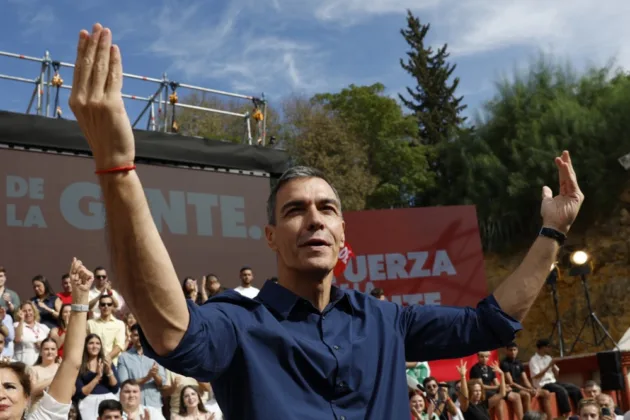
Sánchez pointed to the defeat of two emergency housing decrees in the Congress of Deputies on October 2. His ministers and the PSOE leadership had been pressing him since Friday to go to the polls while a tenants’ protest movement was still filling city squares.
The decrees had been approved three days before the vote without the parliamentary arithmetic to survive it, and lasted barely a day in force. Socialist ministers now want a fresh housing decree validated by the Diputación Permanente, the standing committee that sits once the chambers are dissolved and where the government’s allies hold 35 of 69 seats.
The legislature ends without a budget of its own. The 2023 accounts have been rolled over three times, the longest-serving budget in Spain’s democratic history, and the government’s deficit targets were voted down twice this year.
The courts have moved closer in the meantime. The Koldo case has reached former transport minister José Luis Ábalos and the former PSOE organisation secretary Santos Cerdán, and the Prime Minister’s wife, Begoña Gómez, is under investigation for influence peddling and embezzlement.
Immigration is the other unfinished business of the term, after tens of thousands of people crossed into Ceuta over the summer on the city government’s count and a mass regularisation drew objections from other European Union member states.