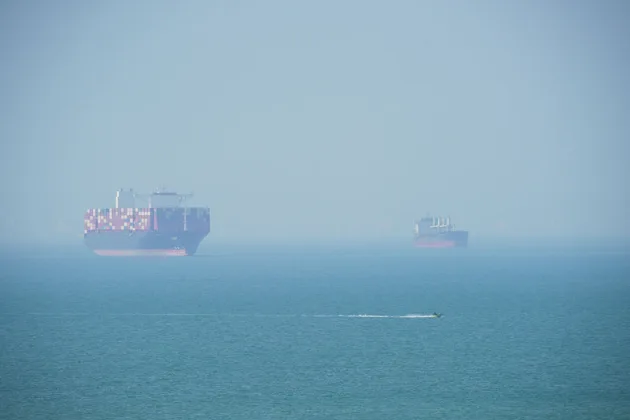






The United States has proposed charging $200,000 (€179,000) on every voyage a Spanish-flagged ship makes into an American port, together with restrictions on five categories of Spanish goods worth more than $3 billion a year.
The Federal Maritime Commission, the independent agency that regulates US ocean shipping, set out its proposed remedies on October 14 after an investigation lasting almost two years. It concluded that Spain had created conditions unfavourable to American foreign trade by refusing docking rights to US-flagged vessels.
The goods named were perfumery and cosmetics, oils and fats, ceramics, articles of stone and confectionery. Olive oil alone accounted for $836.9 million of Spanish sales to the US in 2025.
The case began in November 2024, when Madrid turned away three American-flagged ships enrolled in the Maritime Security Program, a scheme that keeps commercial vessels available to the US military. Spain refused them on the grounds that they carried cargo bound for or coming from Israel, citing EU rules on defence and dual-use goods.
Two of the ships switched destination mid-Atlantic from Algeciras to Tangier in Morocco and docked there instead. The commission found that calls at Spanish ports by that American fleet had fallen from roughly seven a month to six in the whole of 2026.
Prime Minister Pedro Sánchez widened the policy in September 2025 into a permanent arms embargo covering ships and aircraft carrying weapons or military fuel to Israel.
Madrid told the commission it enjoyed sovereign immunity, that it was bound by Spanish, EU and international law, and that the dispute belonged with the State Department. The agency rejected each argument, saying its remit was the reliability of American shipping rather than the legality of Spanish policy.
It also offered Spain a hearing and warned that the fee would rise, and further categories of goods be added, if Madrid retaliated. Comments close on December 14.
Trade is an EU competence and the European Commission negotiates for all member states, which makes a measure aimed at a single country awkward for Brussels. Neither the Commission nor the Spanish Government had responded publicly by the time of writing.
The proposal lands six weeks before Spain’s general election on November 29 and follows a separate US inquiry into whether a Spanish defence contractor resold Pentagon technology through China.