



Germany’s industrial crisis risks deepening further, with up to 300,000 additional jobs threatened across the country’s core manufacturing sectors over the next two to three years, according to employer federation Gesamtmetall.
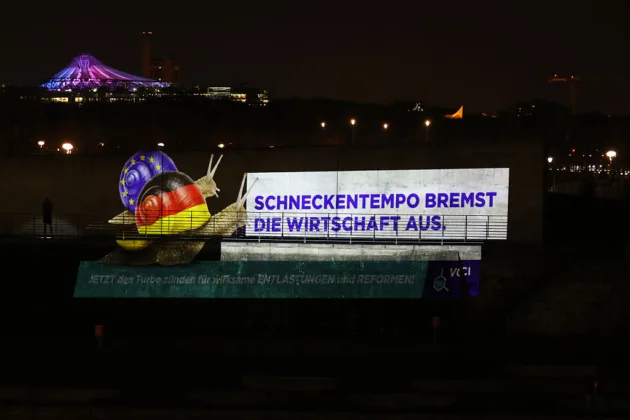
The stark projection, published on November 4, from Germany’s metal and electrical engineering federation underscores acute anxiety within Europe’s largest economy, which has grappled with high labour and energy costs, sluggish global demand, Chinese competition and prolonged structural stagnation.
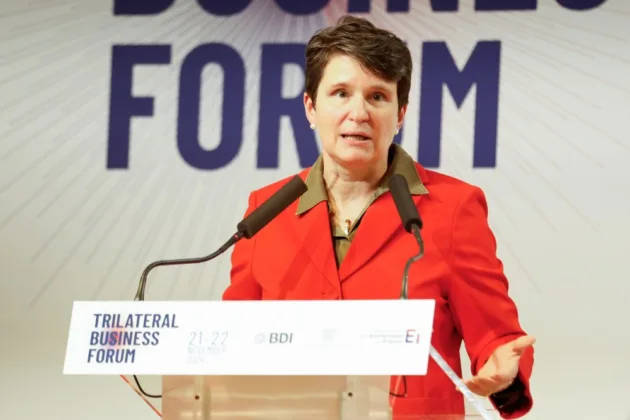
Speaking to Bild, Gesamtmetall chief executive Oliver Zander warned that persistent industrial undercapacity is pushing companies to the brink.
“Given the underutilisation of capacity, a further 300,000 jobs are at risk in the metal and electrical industry alone over the next two to three years,” Zander said.
“The situation is catastrophic. Many companies are fighting for survival, and no improvement is in sight,” he added.
Should those losses materialise, the sector’s total workforce would slide to roughly 3.4 million, marking the lowest employment level recorded in the German engineering and metals sector since national reunification in 1990. The federation puts the additional loss of annual value added at around €35 billion.
The warning comes on top of heavy losses already sustained by Germany’s industrial backbone.
According to Gesamtmetall figures, the metal and electronics sector has shed approximately 350,000 positions since 2019, equating to some €42 billion in lost domestic value creation each year.
The employer federation’s comments arrive against the backdrop of fraught collective bargaining negotiations with powerful trade union IG Metall, which represents workers in a sector employing more than 3.7 million people.
The union has demanded a 5 per cent pay increase over a 12-month period, with larger rises for lower pay grades, staging targeted warning strikes across multiple regions since November 1, when the industry’s peace obligation expired, to push employers for concessions. More than 5,100 workers had downed tools in the union’s central district alone by November 2, according to IG Metall, with stoppages at plants including Opel in Kaiserslautern, Daimler Truck in Kassel and Thyssenkrupp Rasselstein in Andernach.
Employers have countered with an offer combining a one-off payment of about €700 in July 2027 and a phased 1.3 per cent wage rise from mid-2028 across a 26-month duration, arguing that aggressive pay settlements would accelerate the relocation of production abroad and exacerbate corporate insolvencies. Companies with a net return on sales below 2.3 per cent would be allowed to defer or cancel the one-off payment under the proposal.
IG Metall has rejected the offer as “too late, too low, too long” and said it would amount to a real-terms pay cut. The next round of talks is expected in the second week of November.
Zander labelled union demands “irresponsible” given current macroeconomic headwinds, reiterating employer calls for the federal government in Berlin to implement urgent structural reforms to corporate taxation, energy tariffs, and bureaucratic overheads to halt what industry leaders describe as creeping deindustrialisation.