

Iran has demanded that NATO “be held accountable” for its part in the US-led military campaign against the Islamic Republic, after the alliance’s chief acknowledged the support provided by European members.
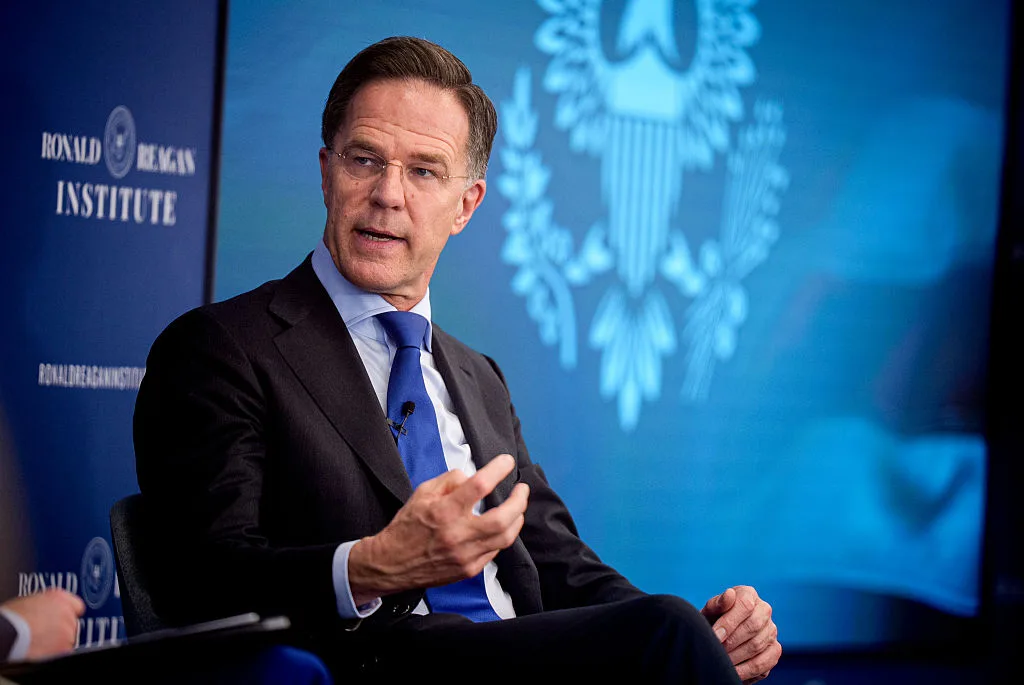
Iranian foreign ministry spokesman Esmaeil Baqaei said on June 25 that remarks by NATO Secretary General Mark Rutte amounted to a confession of the bloc’s involvement in the war waged by the United States and Israel.
Writing on X, Baqaei described the comments as “a clear and damning admission of NATO’s active complicity” in what he called an unlawful war of aggression against a sovereign UN member state.
He said the organisation and the member states that took part in the relevant decisions should answer for every consequence of the campaign.
Baqaei singled out Italy and Romania, the two countries Rutte had named when defending the scale of European assistance, accusing them of colluding in the offensive against Iran.
In an interview with US broadcaster Fox News, Rutte had set out the level of European help for the operation, which Washington codenamed Epic Fury.
He said “500 US planes took off from US bases in Italy” in support of the campaign, and that the continent as a whole had provided thousands of flights.
Rutte also said Romania had reduced commercial air traffic because one of its airports was used as a refuelling base during the conflict.
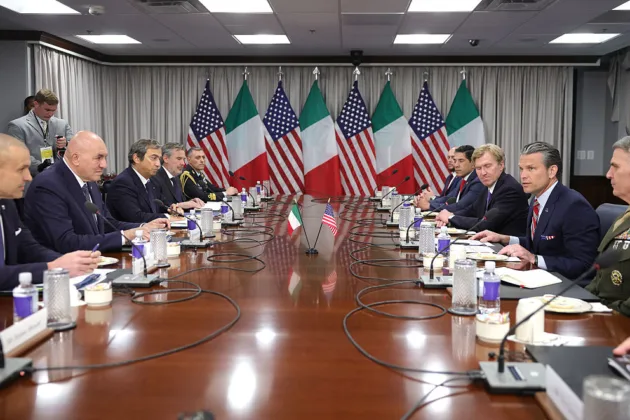
The Italian Government rejected the account. Defence Minister Guido Crosetto said Rome had authorised “exclusively technical and logistical, non-kinetic activities” and had turned down requests beyond those limits.
Crosetto, who said Rutte had played no part in the operation, accused him of conveying a misleading message by confusing support flights with combat missions.
Italy hosts about 120 US military facilities, among them the Sigonella naval air station in Sicily and the Aviano air base in the north of the country, according to Reuters.
The row revived tensions between Rome and Washington after a public falling-out between Trump and Italian Prime Minister Giorgia Meloni over her refusal to support direct action against Iran.
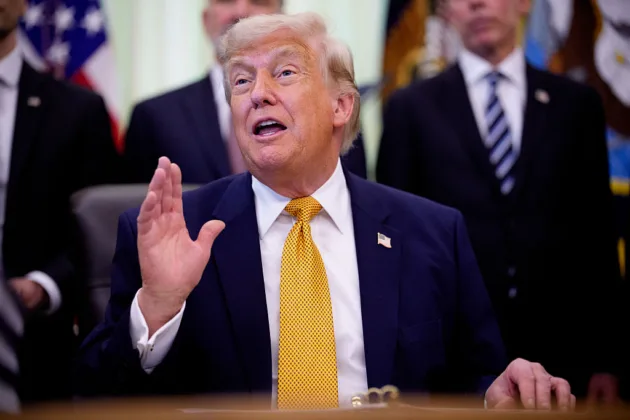
The dispute followed criticism from US President Donald Trump, who said Washington had been let down by allies that declined to back the offensive.
“We were let down,” Trump told reporters after meeting Rutte, although he insisted the United States had not needed help to strike Iran.
Iran has not set out what form of accountability it would seek.