

The upcoming G-7 summit in France is getting little attention in light of the continuing saga in Iran. European leaders had better be prepared, however, as President Donald Trump could use that meeting as an opportunity to press forward on his longstanding demands.
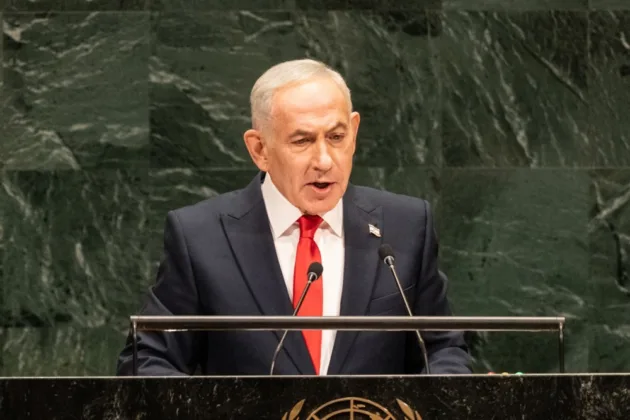
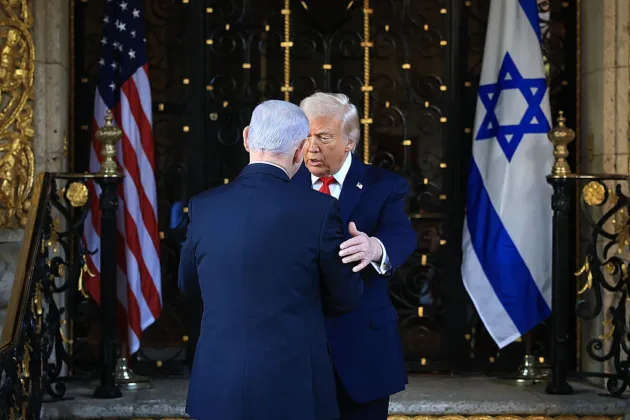
Trump has many perplexing behaviours, and one is his tendency to treat legal equals as his subordinates. That domineering attitude was most recently expressed publicly in relation to Israeli Prime Minister Benjamin Netanyahu. Trump said that Netanyahu would “have no choice” but to accept any deal with Iran that Trump negotiated. That’s how one treats puppets or satraps, not allies.
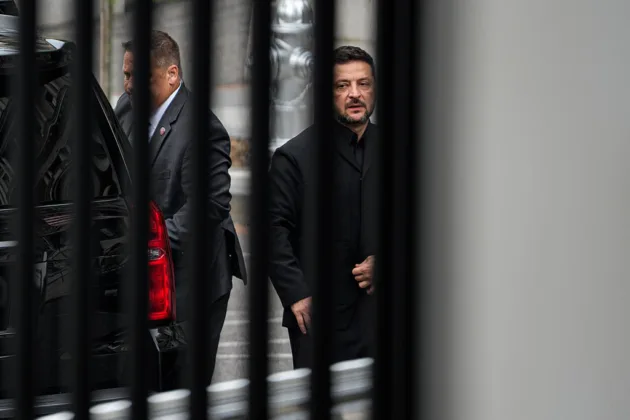
European leaders know that feeling all too well. From Trump’s regular fulminations about NATO to his threats to invade Greenland to his humiliation of Ukrainian President Volodymyr Zelensky in the Oval Office, the American President rarely misses an opportunity to remind supposed allies of their relative weakness vis-à-vis the United States.
Perhaps he does that as a form of psychological warfare. After all, he believes any deal comes from having leverage over the other party, and leverage can be as much mental as it is physical. If your opposing party thinks he’s your inferior, he will act as such when it’s time to sign on the dotted line.
Whatever the motivation, it does mean that Trump’s arrival next week is an opportunity for him to again try to display America’s dominance within the Western alliance. Beset by low job approval ratings and stuck in a quagmire in Iran, Trump will be tempted to play to his base and make a show of the “ungrateful Europeans”.
That outburst, if it comes, could lash out in a few directions. He is known to be impatient with the European Union’s implementation of the trade deal he coerced from it last year. The European Parliament is scheduled to ratify the deal, with amendments, on June 16. That’s in the middle of the summit, and leaders should expect Trump to react angrily if Parliament does not approve it as expected.
Trump may also try to bring up the lack of cooperation from many of the G-7 nations with respect to his Iranian escapade. It’s not technically the type of economic matter that would normally come up at this meeting, but the continued closure of the Strait of Hormuz means Trump’s war has global economic impacts which are especially damaging to Europe. It would be out of character for Trump if he failed to push the large European nations to have a post-war plan to secure free passage through the Strait given how much more important that is to their economies than to America’s.
They also should not be surprised if Trump tries to contrast the “good” ally of Japan with the “bad” allies in Europe. Japanese Prime Minister Sanae Takaichi will be present, and she has forged an uncontentious relationship with Trump in her short time in office. Japan is rapidly rearming and recently scrapped its policy that forbade the export or sales of weapons. It is also moving forward to implement its trade deal with the United States without hesitation. Publicly asking European leaders “Why can’t you be more like Japan?” might embarrass Takaichi, but making the comparison would be in character for Trump.
These considerations mean the European leaders should coordinate their policies, both prior to and during the summit. French President Emmanuel Macron’s plan to host a one-on-one dinner with Trump in the famous Hall of Mirrors in the Palace of Versailles would appeal to the president’s vanity. It should not be a substitute for a plan of action.
One such plan could be meeting the deal-making president where he is by offering him the prospect of a deal over the Strait of Hormuz. Europe presents a concrete proposal for a multi-national naval force to police the Strait of Hormuz without direct American participation after the war ends. In exchange, Trump agrees to certain things the Europeans want, such as continued commitments to supply Ukraine with weapons indirectly and direct intelligence and maintain American force deployments within Europe through the end of 2028.
Such a straightforward, transactional approach is out of character for Europe. It’s precisely how Trump likes to operate, however. Starting the summit off like this could start to warm a notably frosty relationship.
The leaders also need to be prepared to respond quickly and in a united fashion should Trump throw them a rhetorical or policy curve. Divide and conquer is a well-known maxim and one Trump employs frequently. Perhaps the leaders of nations that conquered most of the world applying this dictum can finally learn how to respond to Trump by pre-emptively drawing together.
European leaders are slowly realising that the old rules of politics they thought had been cast aside in the wake of the end of the Cold War never left. The G-7 summit will be an excellent place for them to show Trump that they plan to be active players in the world he is creating.