

The United States and Iran have agreed a roadmap to reach a final deal within 60 days, after a round of high-level talks in Switzerland that also produced a mechanism aimed at halting the fighting in Lebanon.
The negotiations near Lucerne wrapped up early on Monday, with lower-level technical talks due to continue at the Bürgenstock resort through the week. Mediators Qatar and Pakistan said the two sides had agreed to set up a “de-confliction cell”, involving Lebanon, to ensure an end to military operations there.
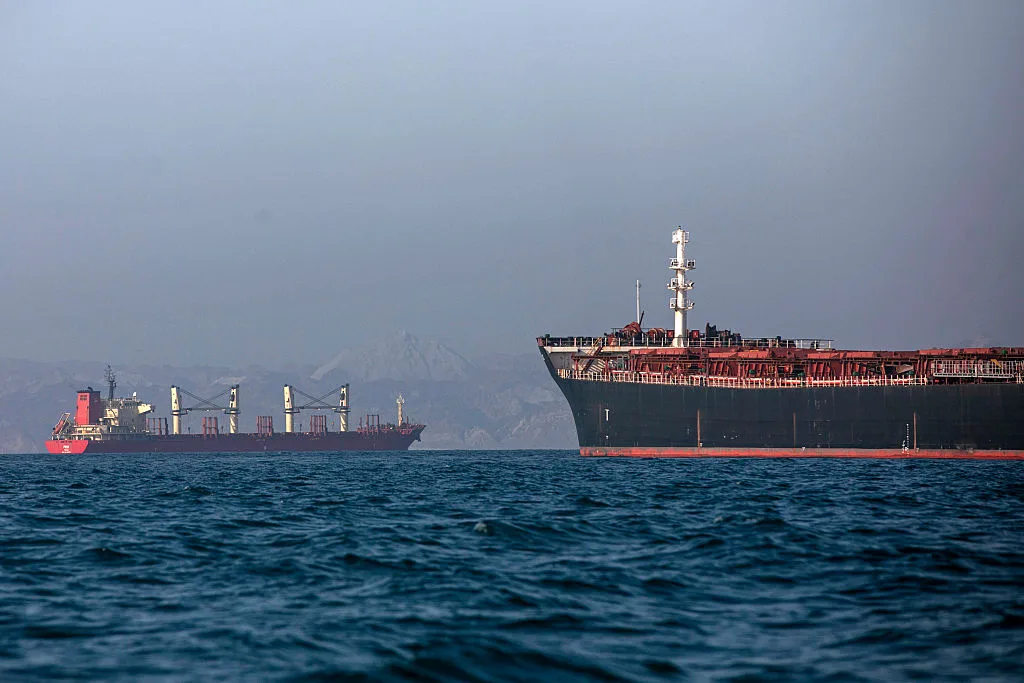
Under the accompanying memorandum, Iran agreed to reopen the Strait of Hormuz toll-free for at least 60 days, in return for the US lifting its blockade of Iranian ports. Roughly a fifth of the world’s seaborne oil passes through the narrow channel between Iran and Oman in normal times.
That chokepoint matters acutely for Europe. Months of disruption pushed Brent crude above $100 a barrel (about €90) at its peak and drove buyers towards Russian liquefied natural gas, cutting against the bloc’s effort to wean itself off Moscow’s energy.
Shipping data analysed by the campaign group Urgewald suggested the European Union imported a record €3.5 billion of Russian Yamal LNG between January and April, as Middle Eastern supply routes seized up.
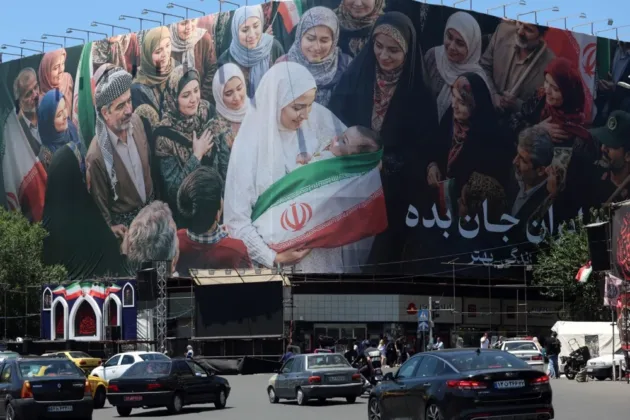
Iran’s foreign minister Abbas Araghchi hailed the outcome on X, writing that “tireless Pakistani and Qatari mediation has delivered major progress to end Lebanon War”. He said Tehran had also secured waivers for its oil exports, the lifting of the port blockade and the release of some frozen assets.
Araghchi described the Lebanon mechanism as the first real test of the agreement, reflecting fears that continued violence could unravel the wider effort.
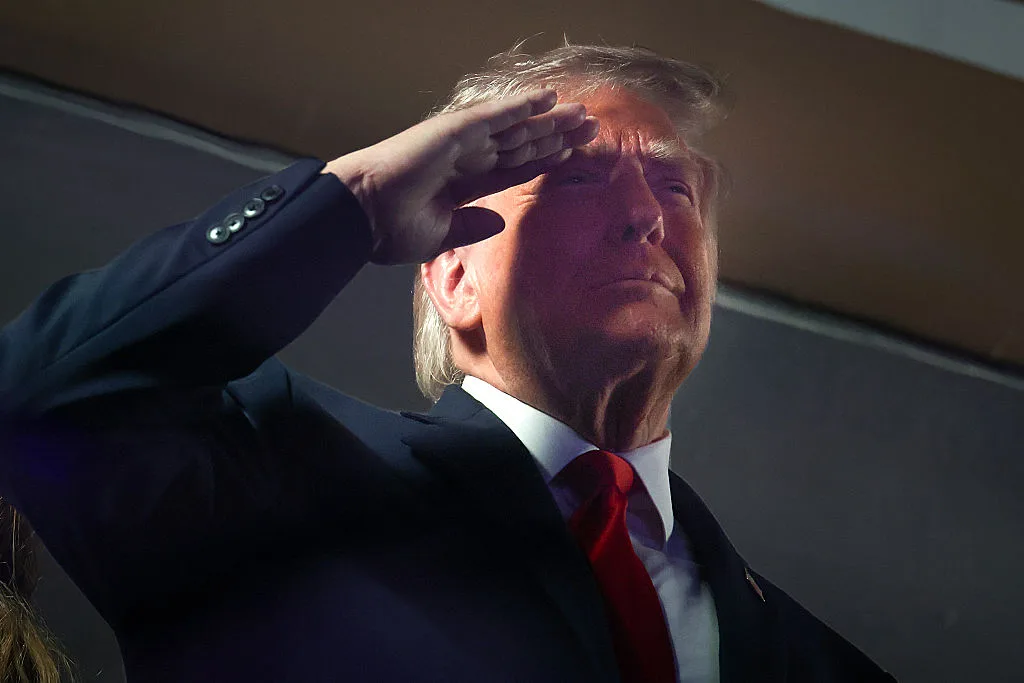
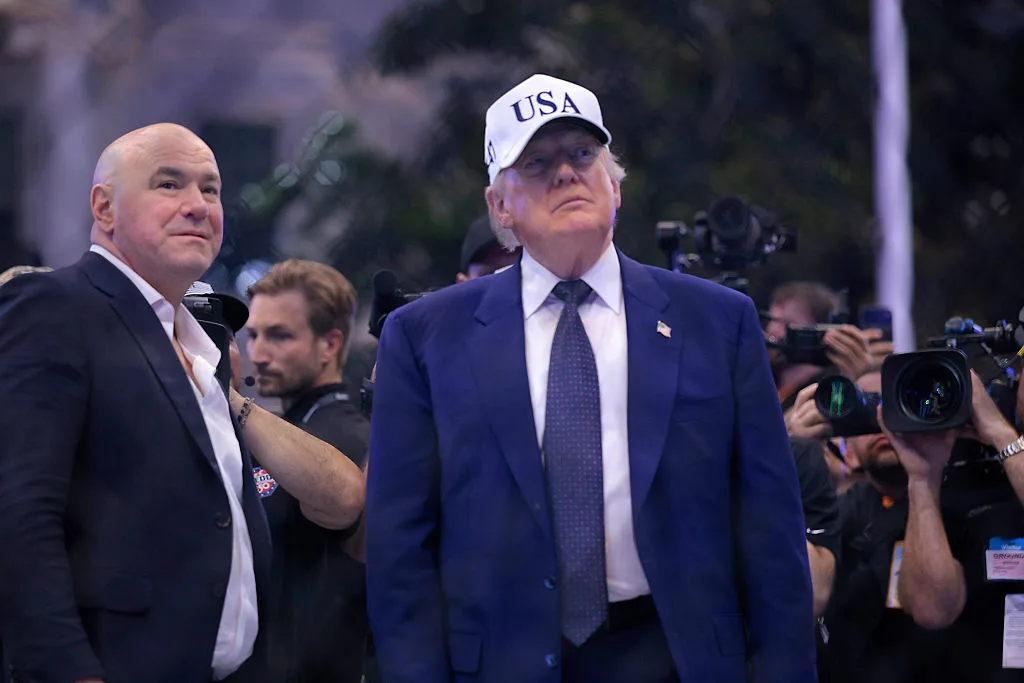
The talks had a tense start after US President Donald Trump threatened fresh strikes, writing on social media that Washington would “hit Iran very hard again […] only harder” unless Tehran reined in its proxies in Lebanon.
Iran’s lead negotiator and parliamentary speaker Mohammad Bagher Ghalibaf pushed back, warning on X that Iranian forces stood ready to respond and that “it is we who act”.
A senior US diplomat, speaking anonymously, said the discussions had also covered ways to keep the strait open and enforce a ceasefire in southern Lebanon, alongside the question of Iran’s nuclear programme.
Washington did not immediately comment on the framework. The truce that has held since April remained fragile, and it was unclear whether the new arrangement would prove enough to stop the fighting between Israel and the Iran-backed Hezbollah.