








A planned visit by the Dutch asylum minister Bart Van den Brink to the Ter Apel asylum application centre has been cancelled at short notice due to security risks, highlighting ongoing tensions at one of the Netherlands’ most pressured reception facilities.
The surprise visit by the CDA minister was called off because authorities deemed the situation on the ground too unsafe.
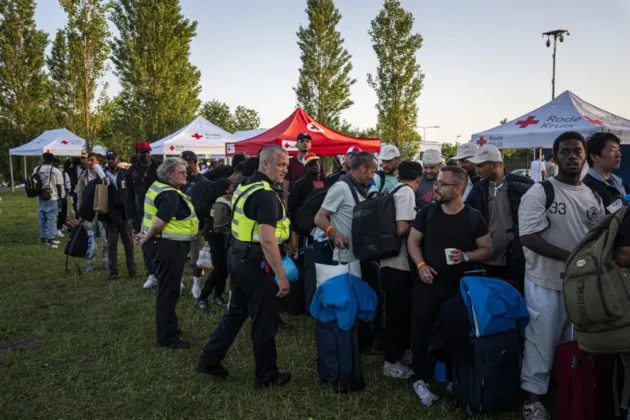
Ter Apel, in the province of Groningen, has long been a focal point for problems at the Dutch asylum system, including overcrowding, violence, and strained local resources.
The centre serves as the country’s main registration point for asylum seekers.
It has faced repeated criticism from local authorities, residents, and politicians over safety incidents, drug-related issues, and the impact on the surrounding community.
Previous visits by ministers and officials have sometimes been met with protests or required heightened security.
Next to a series of violent incidents and stabbings in the centre, there also have been problems in the wider neigbourhood, with a spike in shoplifting, intimidation and other criminality that people connect with the asylum seekers.
Just before the cancelled visit, it was reported that in the first four months of this year, far more cases of shoplifting were recorded in Ter Apel than in previous years. Almost every theft, 141 out ot 144, was linked to the reception centre.
Fifty-three people have been arrested in connection with the thefts, 50 of them in Ter Apel.
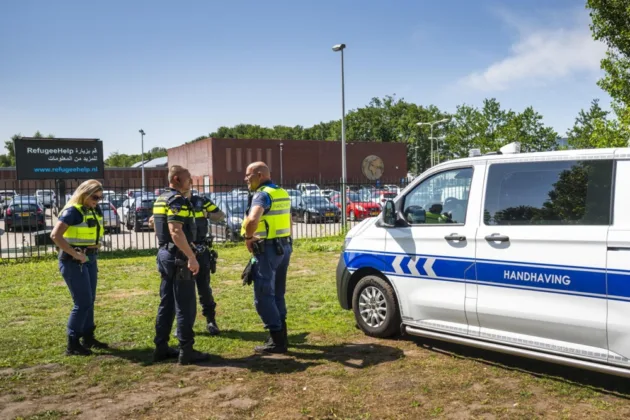
All the reports of crime have led to the deployment of the maximum number of police and security personnel.
It was for this reason that it proved impossible to simultaneously ensure the security of a ministerial visit.
It is not yet known whether Van den Brink will still visit the registration centre run by his own administration.
For security reasons, no information on this matter will be released for the time being.
Critics have noted the contrast with claims often made by left-leaning politicians and advocacy groups that asylum centres cause few problems for surrounding communities and that security concerns are overstated or motivated by political prejudice.