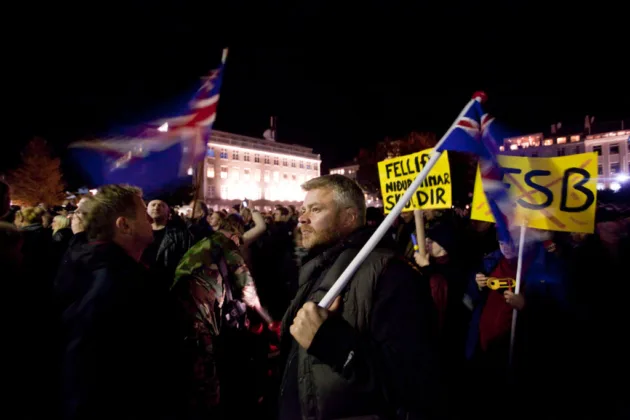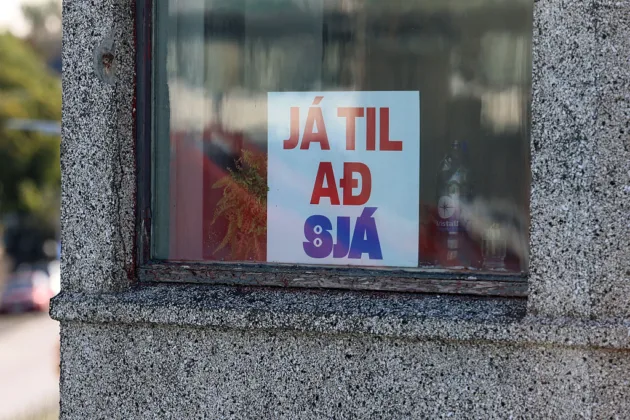


Icelanders have voted against restarting negotiations to join the European Union, with 52.8 per cent rejecting the government’s proposal in a referendum on August 29. Final results published by public broadcaster RÚV gave the “No” camp 118,040 votes to 105,399 for “Yes”.
Turnout of 82.5 per cent was higher than at any Icelandic parliamentary election since 2009. Only the two Reykjavík constituencies backed reopening talks, while the capital’s suburbs and the rural and coastal regions voted “No”.
The result reversed the comfortable lead for talks shown in polls earlier in the year, though a Gallup survey in August had put the two camps level on 46 per cent each. Fishing dominated the campaign, with the sector accounting for around 40 per cent of goods exports and about 8 per cent of GDP.
Opponents warned that membership would bring Icelandic waters under the EU’s Common Fisheries Policy, which sets quotas and access at EU level. Iceland applied to join in 2009 after its banks collapsed and opened talks in 2010, only for a centre-right government to suspend them in 2013.
The referendum was a key pledge of the liberal Viðreisn party, whose deputy leader, finance minister Daði Már Kristófersson, campaigned for a “Yes” alongside Prime Minister Kristrún Frostadóttir. The Icelandic Government brought the vote forward from 2027 amid US President Donald Trump’s threats over Greenland, framing membership as a shield against Arctic rivalry.
Frostadóttir, who leads the Social Democratic Alliance, had promised that a “No” would keep EU membership off the agenda until the end of her term in 2028. She told a press conference on August 30 that the government would respect the result and concentrate on Iceland’s existing ties through the European Economic Area (EEA).
The lesson for her government, she said, was that “people are happy with the EEA agreement”. She also pledged to address the concerns of rural fishing communities, where the “No” vote was strongest.
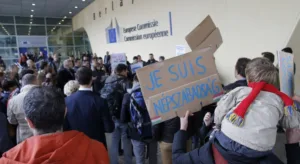
The European Commission said in a brief statement that it “respects the choice of the Icelandic people” and that Iceland remained a close partner.
EU diplomats had told Reuters that a wealthy, easily integrated new member could make enlargement easier to sell to sceptical member states ahead of Montenegro’s planned accession in 2028. “This is a clear setback for Brussels,” an EU diplomat told the agency after the result, citing fishing and independence as decisive.
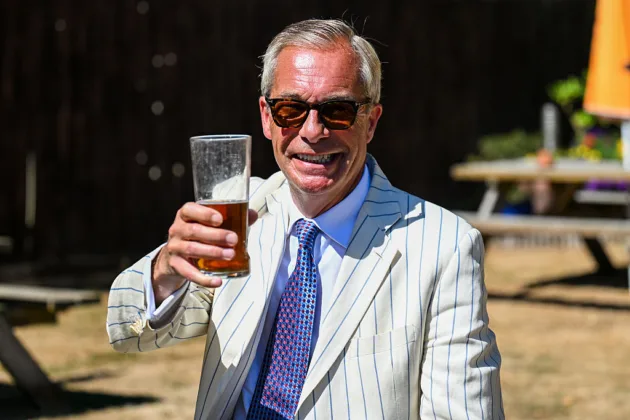
Reform UK leader Nigel Farage congratulated Icelanders on “voting to keep their independence”, while Marine Le Pen of France’s right-wing National Rally said it showed a Europe of free, sovereign nations was possible. European Conservatives and Reformists co-chairman Nicola Procaccini said Brussels should ask why a prosperous, democratic European country had turned down talks.