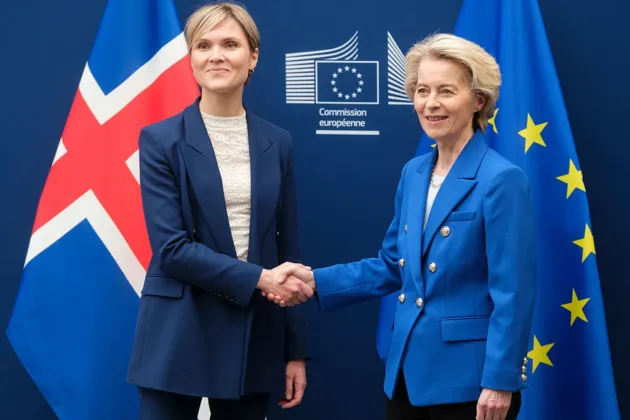



Icelanders have voted to stay outside the European Union, and in doing so have placed their country alongside the one Nordic neighbour that has made the same choice twice.
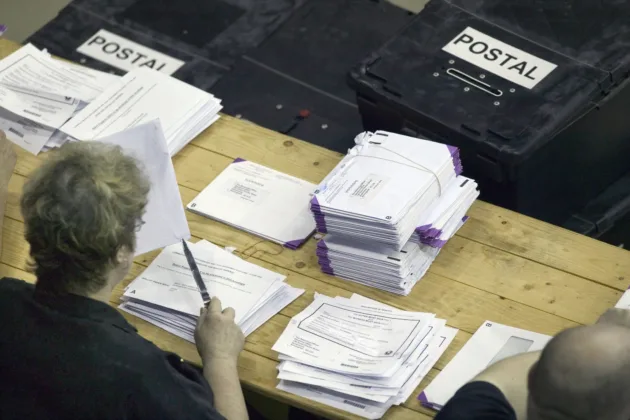
The referendum on August 29 rejected reopening accession talks by 52.8 per cent, with 118,040 votes against and 105,399 in favour. Turnout reached 82.5 per cent. Only the two Reykjavík constituencies backed negotiations. The capital’s suburbs, the coast and the countryside did not.
Iceland now sits where Norway has sat since 1994: inside the single market, outside the Union and bound by rules it does not write.
Norway is the only nation to have turned down membership at the ballot box twice. Oslo applied to the European Economic Community in April 1962, a year after Ireland, the United Kingdom and Denmark. Charles de Gaulle’s veto of the British bid stalled all four applications.
When the question finally reached Norwegian voters on September 25, 1972, 53.5 per cent said no. Prime minister Trygve Bratteli, who had campaigned for a yes, resigned. Ireland, Britain and Denmark joined the following January without him.
A second application followed in 1992. On November 28, 1994, according to the European Parliament’s research service, 52.2 per cent voted against on a turnout of 88.6 per cent. The alliance that won in 1972 held again: fishermen, farmers, the northern periphery and a left suspicious of Brussels, ranged against the governing establishment in Oslo.
Iceland’s path was shorter and sharper. It applied in July 2009, months after its banking system collapsed, and opened talks in 2010. A centre-right government suspended them in 2013, and in 2015 Reykjavík told Brussels it no longer wished to be treated as a candidate.
The 2026 vote was a pledge of the liberal Viðreisn party, and Prime Minister Kristrún Frostadóttir brought it forward from 2027 as US President Donald Trump pressed his claims over Greenland. Membership was framed as shelter from Arctic rivalry.
Fishing decided it instead. The sector accounts for about 40 per cent of goods exports and roughly 8 per cent of GDP, and opponents warned that accession would place Icelandic waters under the Common Fisheries Policy, where quotas and access are set collectively. Frostadóttir told a press conference on August 30 that voters were content with the existing arrangement.
That arrangement is the European Economic Area, in force since January 1994, which extends the single market to Iceland, Liechtenstein and Norway. The EEA-Lex database lists close to 9,000 EU legal acts incorporated into the agreement, and the figure most often cited on both sides of the Icelandic and Norwegian debates is that the two countries have taken on roughly three-quarters of EU legislation.
None of it is voted on in the Council or the European Parliament by anyone the three countries elect. The EEA does grant a right of reservation, allowing a state to decline a rule it finds unacceptable. Norway has invoked it formally once, over the third postal directive in 2011, and lifted the reservation in 2013 under pressure from the European Commission, which can suspend market access in the affected sector.
The countries also pay. Under the EEA and Norway Grants for 2021-2028 the three donor states are transferring €3.268 billion to 15 poorer EU member states, with Norway funding about 97 per cent of it.
A Norwegian expert committee reported in April 2024 that the loss of political influence had become a growing problem, as Brussels legislated on climate, finance, energy and migration and the Storting’s room for manoeuvre narrowed accordingly.
The friction is no longer theoretical. On January 30, 2025 the eurosceptic Centre Party walked out of Prime Minister Jonas Gahr Støre’s coalition rather than accept three directives from the EU’s fourth energy package, arguing that Norway should reclaim authority over electricity policy. Støre governed alone until the September 2025 election, which returned Labour and produced the best result in the history of the right-wing Progress Party.
Membership itself remains unpopular. Conservative leader Erna Solberg reopened the debate in 2025 by declaring her party in favour, and was met by the Progress Party’s flat refusal.
For Brussels the Icelandic result closes a convenient door. EU diplomats had told Reuters that admitting a wealthy, easily absorbed country would help sell enlargement to sceptical capitals before Montenegro’s planned accession in 2028. The Commission said it respected the choice of the Icelandic people.
Neither country is poor for its trouble. Norway’s sovereign wealth fund was worth NOK 22,683 billion (€2.07 trillion) at the end of June, and Iceland ranks among the wealthiest states in Europe per head.
Both remain in NATO, in Schengen and in the single market. What they have declined is the political union built on top of them, and they have declined it in the only way that settles the question: by asking their voters.