





Firefighters in Ceuta have uncovered a clandestine migrant settlement inside tunnels running for hundreds of metres beneath the city’s university campus.
Crews were called out after heavy smoke was seen coming from the galleries in El Sarchal, on the slopes of Monte Hacho, the Spanish daily El Español reported on September 24. Once inside to tackle the blaze, they found an improvised camp.
Fire service sources told the newspaper that the occupants had broken through a partition wall sealing off the passages before moving in with mattresses and other belongings. To put out the fire, crews had to work through burnt mattresses, food, torn clothing and bottles filled with urine.
The tunnels link the beach with the lower levels of the former headquarters of the army’s Regulares Group No 54. The site now houses the Ceuta University Campus.
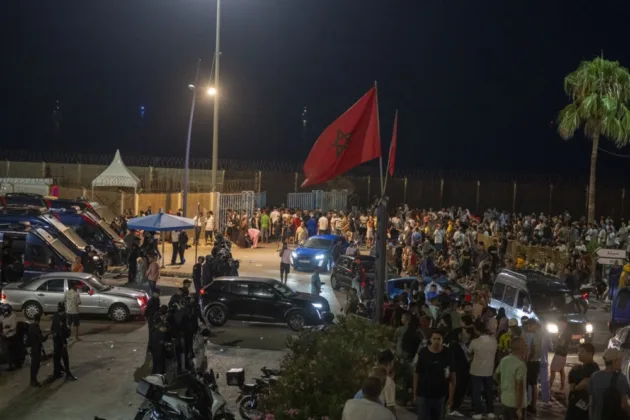
According to El Español, dozens of people who arrived during the invasion of July 30-31 may have been sheltering there in unsanitary conditions for almost two months. Inflatable rafts and a surfboard left over from the mass crossing were still inside.
Officers from the Ceuta Local Police went to the site to dismantle the settlement, the newspaper said.
The tunnels lie about four kilometres from the border with Morocco and do not connect with Moroccan territory. Police have said there is no evidence they could be used as a route into the city.
Residents had long suspected otherwise. Locals told El Español that, although migrants were being moved to camps, numbers on El Trampolín beach kept growing and many of the faces were new.
Some compared the situation with tunnels used in the past to smuggle hashish and other drugs. They said those hiding in the hills had been the first to come down to the beaches.
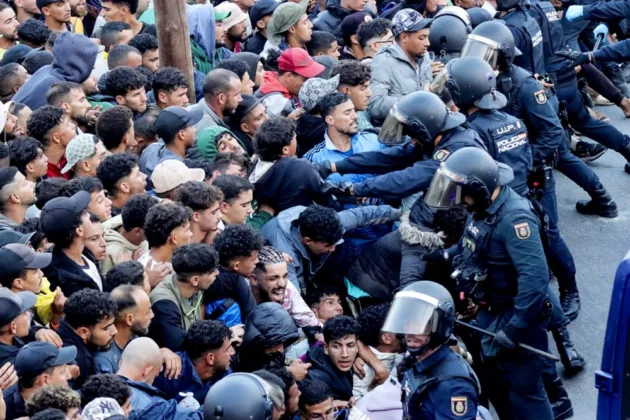
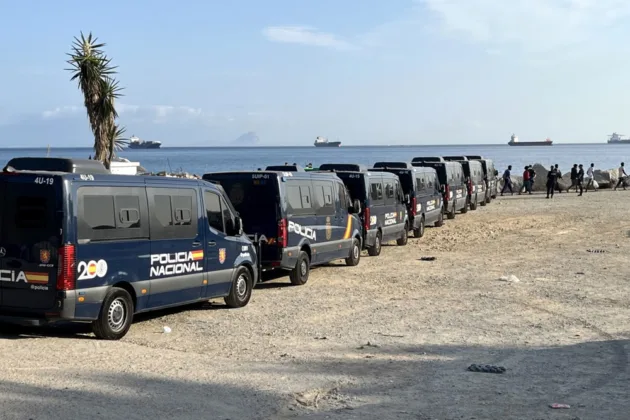
Riot police had formed a line across El Trampolín beach on August 26 to keep residents away from a migrant camp that had stood there since the mass entry.
The Spanish Interior Ministry counted at least 72,000 entries on July 30-31, while the city government put the figure above 80,000. On September 18 government sources told Europa Press that some 10,000 people remained in Ceuta illegally, between 3,000 and 4,000 of them on its streets, hillsides and beaches.
That was double the 5,000 figure interior minister Fernando Grande-Marlaska gave on August 13 and repeated before the Spanish parliament. A new temporary centre in the port has room for 1,700.
Ceuta, a city of about 84,000 people, and Melilla are the European Union’s only land borders with Africa. European Commission President Ursula von der Leyen told MEPs on September 16 that the frontier at Ceuta was a European frontier because the city is Spanish.