



German Chancellor Friedrich Merz has vowed to press on with his reform programme after his Christian Democratic Union (CDU) was voted out of the parliament of Mecklenburg-Vorpommern, northeast Germany. The CDU won 4.9 per cent in the September 20 State election, according to preliminary official results, just short of the 5 per cent threshold needed for seats.
It is the first time the party has failed to enter a State parliament. The CDU took 38.3 per cent in the region in 1990 and 13.3 per cent in 2021.
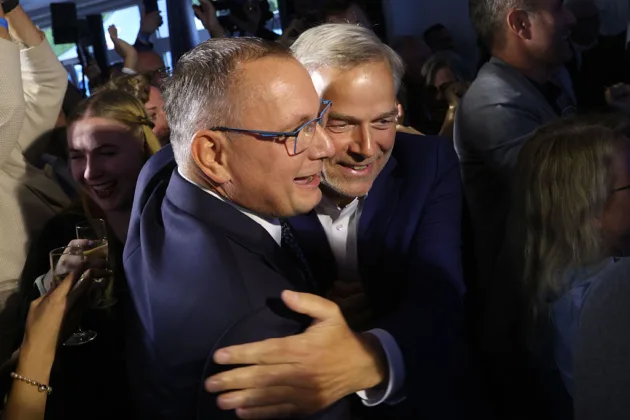
The right-wing Alternative for Germany (AfD) topped the poll with 38.2 per cent. The Social Democratic Party (SPD) of Minister-President Manuela Schwesig came second on 35.5 per cent.
The defeat came two weeks after the CDU saw its vote more than halved in Saxony-Anhalt, a State it has governed since 2002.
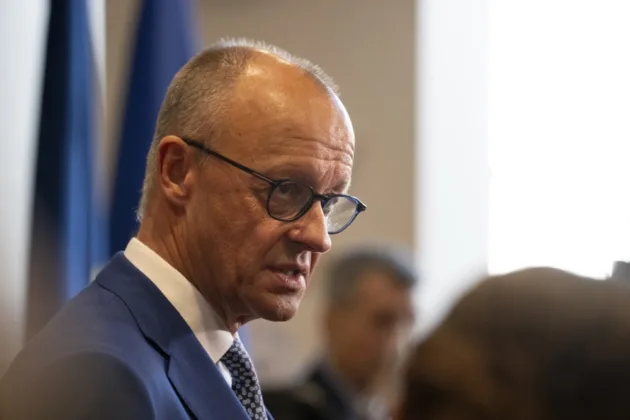
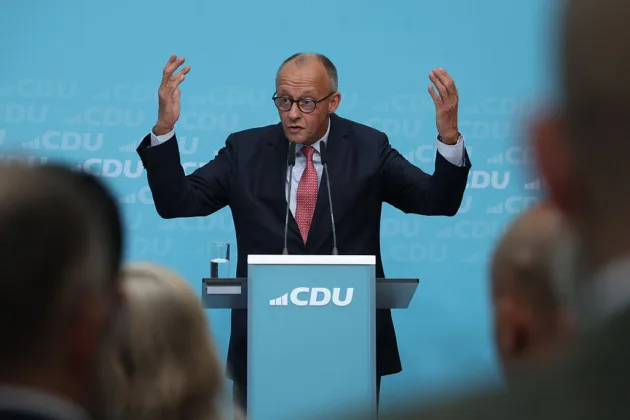
Merz called the result a “disaster” at party headquarters in Berlin shortly after polls closed. He said the CDU had fought hard but had been ground down by the polarisation between the SPD and the AfD.
He had summoned the party’s presidium, which includes all its State premiers, for crisis talks on election night, Tagesspiegel reported. Merz said afterwards he intended to remain both party leader and Chancellor.
According to Handelsblatt, one participant said Merz had indirectly signalled a willingness to step down. The meeting reportedly rejected the idea as irresponsible, fearing the turmoil of splitting the party leadership from the chancellery.
The CDU’s eight State premiers had issued a joint statement backing Merz four days before the vote. North Rhine-Westphalia premier Hendrik Wüst, widely seen as a potential challenger, had already broken ranks over a possible AfD ban after the Saxony-Anhalt vote.
Merz said the economy was in upheaval and the tone in society had grown harsher. He warned that radical parties of the Left and the Right were eroding trust in institutions.
The reforms had to come, he insisted, describing them as a remedy against what he called authoritarian poison. He said they would demand backbone, steadfastness and patience, and asked voters for time.
Former economy minister Peter Altmaier, a CDU veteran, wrote on X that he was more dismayed and stunned than ever before.
Schwesig, who governed Mecklenburg-Vorpommern in coalition with the CDU until 2021, told German public television she was irritated by Merz’s response. She said he should show more humility and the federal government should ask itself what needed to change.
If nothing changed, she warned, the AfD would grow stronger everywhere.